Why the platform has a gap
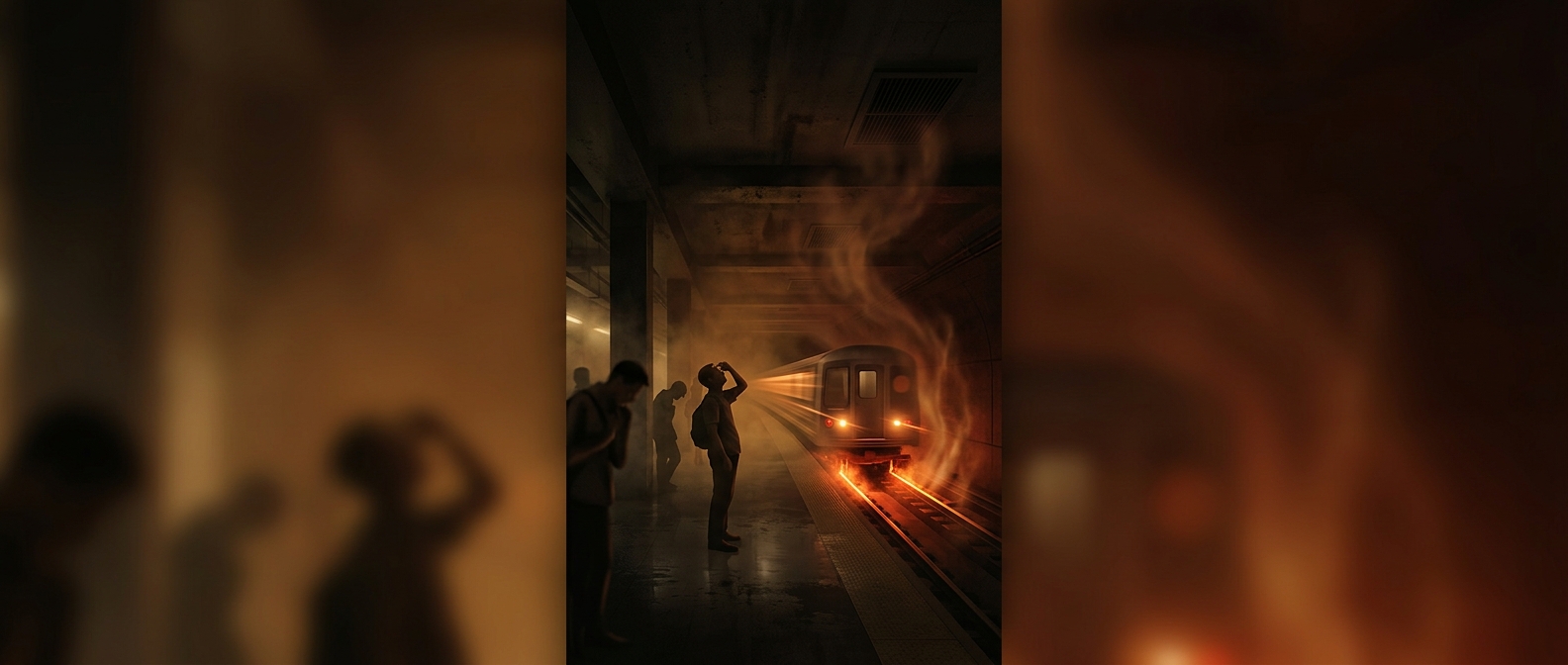
At some Underground stations, the platform edge and the side of a train do not line up neatly. Curved platforms are a common reason: a train follows the curve, leaving a wider space between carriage and platform at some doors than at others. The warning is a practical prompt to look down before stepping aboard or onto the platform.
A technician’s voice, repeated across journeys
The original announcement was recorded by a studio technician rather than a professional announcer. That distinction helps explain the voice’s everyday quality: it sounds less like a performance than a brief instruction delivered plainly. Once used in stations, the recording could give passengers the same recognizable warning wherever it was played.
For regular riders, repetition made the short phrase part of the texture of a journey—heard amid footsteps, arriving trains and station noise. Its familiarity grew from an ordinary operating need, not from a grand speech: a few words had to catch attention at exactly the moment people were moving between train and platform.
A small warning with a lasting role
The announcement’s success depends on its brevity. Passengers do not need an explanation of platform geometry while boarding; they need a cue that makes them check their footing. A studio technician’s recording became memorable by doing that simple job, journey after journey.