Why patchouli’s aroma emerges after harvest
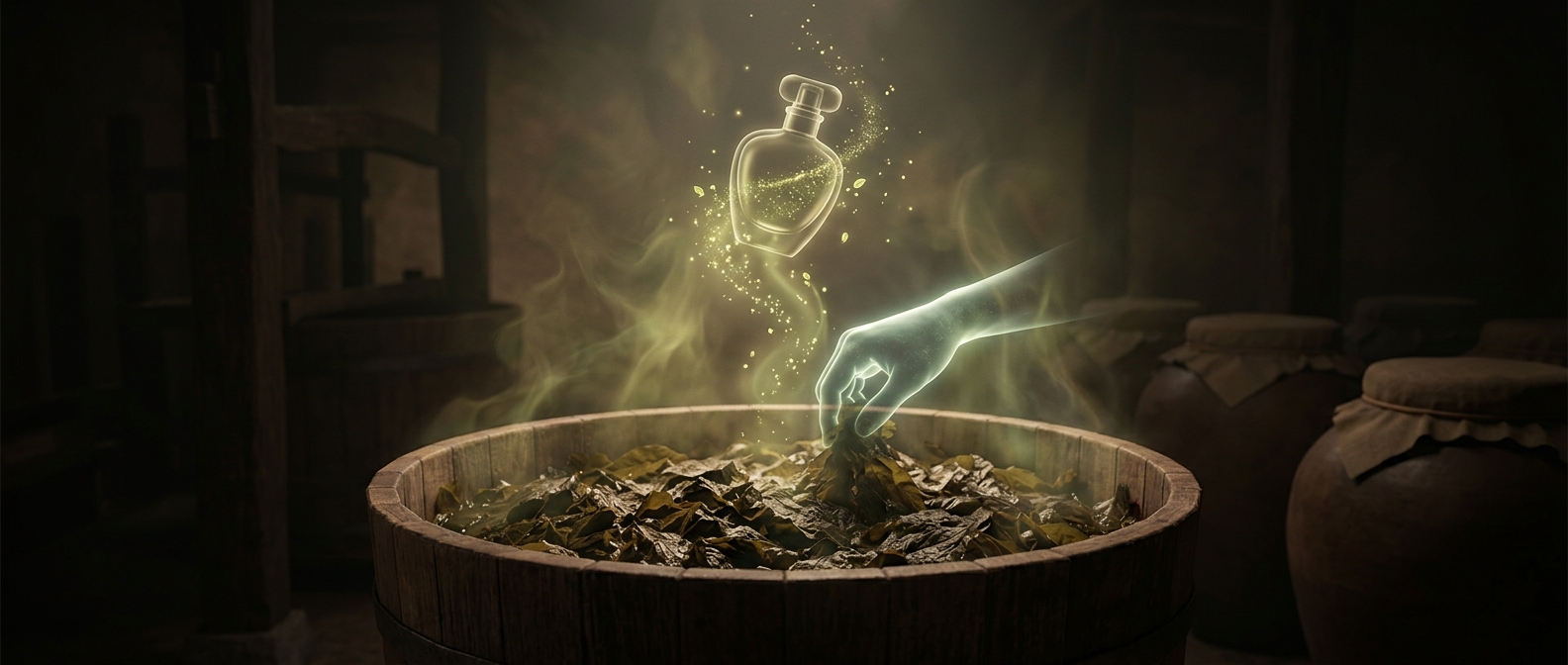
A freshly cut patchouli leaf does not yet smell like the rich, earthy oil used in fragrance. Its recognizable scent develops as harvested leaves are allowed to wilt or ferment, then dried. During this conditioning, moisture loss and chemical changes alter the plant’s aromatic compounds; fermentation can involve both the leaf’s own enzymes and microbes naturally present on it. The result is a different mixture of scent molecules from the one found in the fresh plant.
Processing turns leaves into a fragrance ingredient
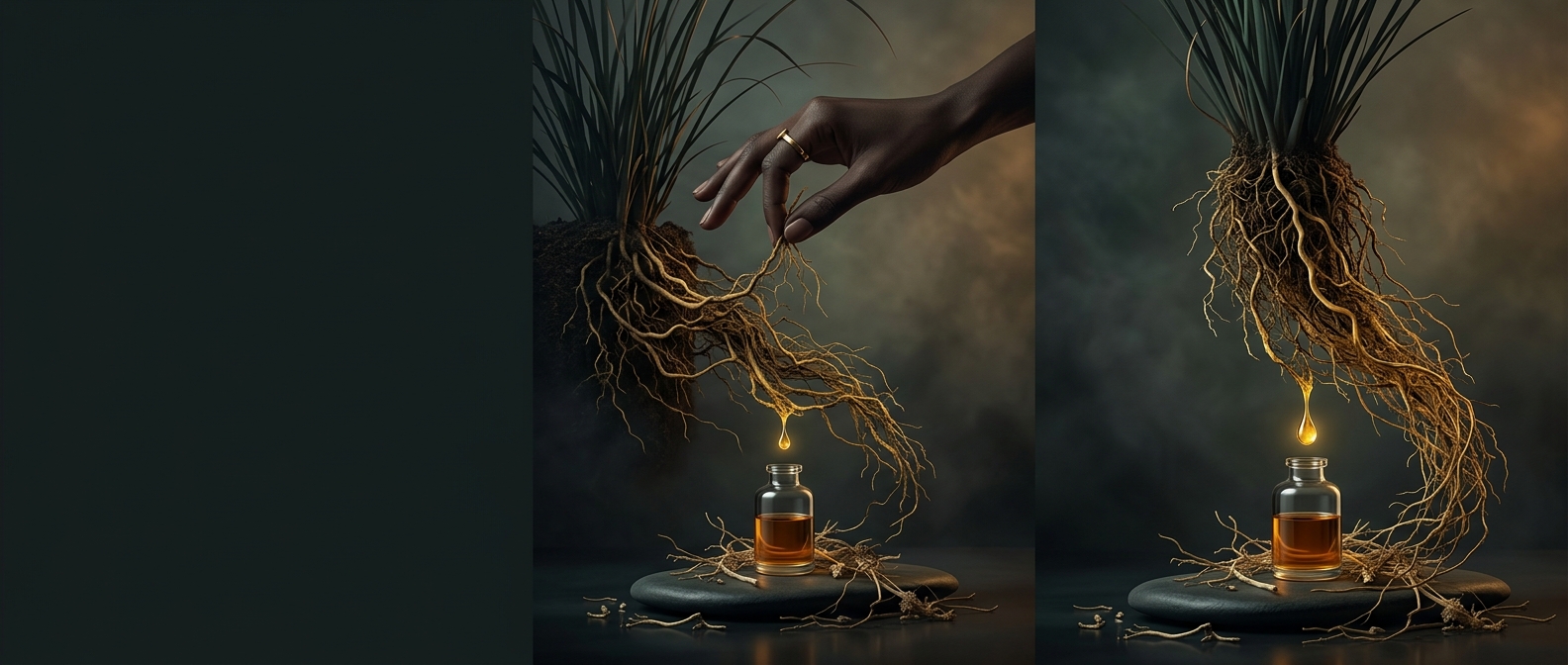
The dried material is distilled, commonly with steam. As the steam passes through the leaves, it carries volatile aromatic compounds into a condenser, where they separate into essential oil. Distillation cannot simply extract a finished perfume that was already sitting in the fresh leaves: the quality of the oil depends in part on what happened to the leaves beforehand.
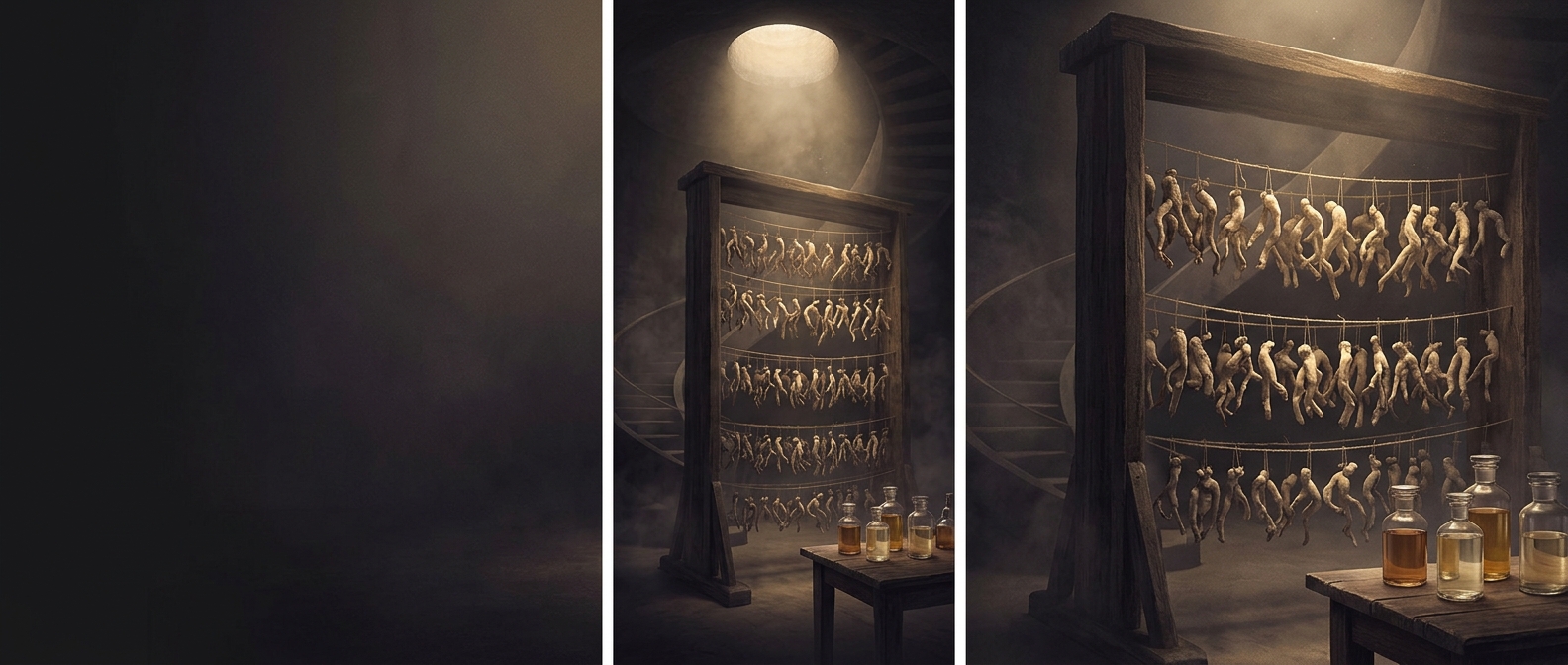
Producers may also store or age dried leaves before distillation. That can further change how the aroma comes across, though the outcome depends on the material and handling. Fermentation, drying, and storage are therefore practical stages of fragrance production—not just ways to preserve a crop.
Where the economic value is created
This sequence creates a tradeoff for growers and processors. Leaves must be handled and conditioned before they yield the desired oil, adding time and requiring control over moisture and storage. Poorly managed material may produce an aroma that differs from what buyers want; careful processing can make the leaves more valuable as a consistent fragrance ingredient.
In other words, patchouli’s marketable scent is partly made after harvest. The crop’s value depends not only on growing the plant, but on getting its leaves through the right transformation before the still is fired up.