The perfume is not in the fresh root
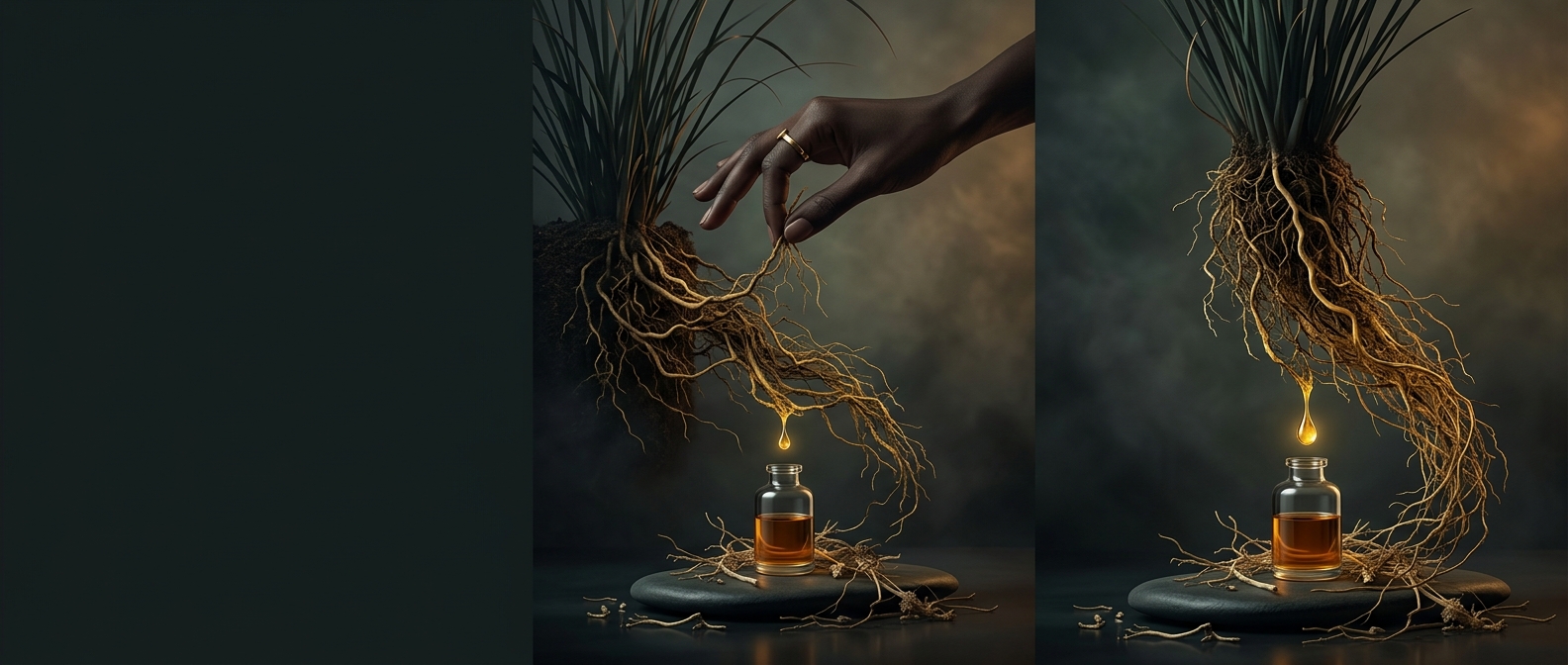
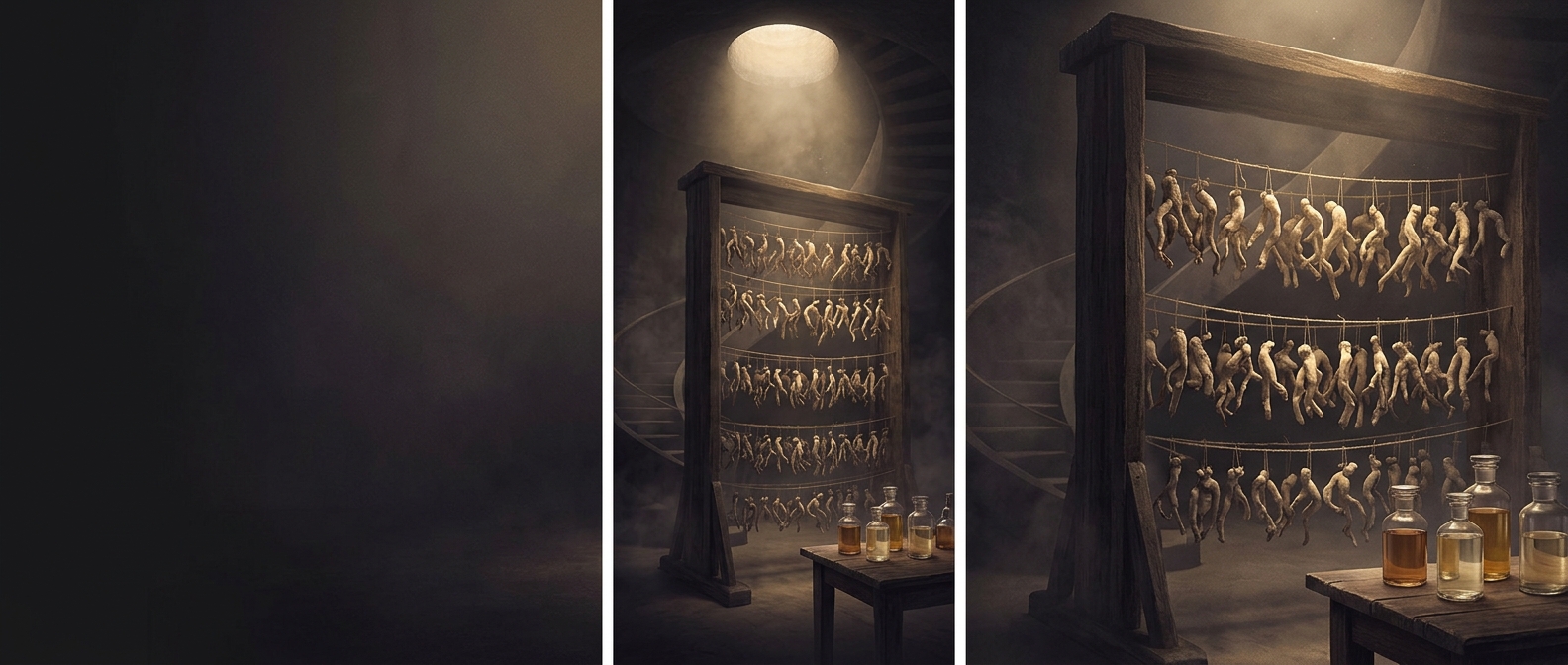
The “iris root” used in perfumery is usually the rhizome, an underground stem. Freshly harvested, it has a damp, starchy smell—often compared with a potato—not the soft, powdery scent associated with violet. Its fragrance develops during a long period of drying and storage, after the rhizomes are peeled and kept away from light.
That wait is a form of slow chemical processing. As the plant material dries and ages, compounds in it change; among the important results are irones, aroma molecules responsible for the characteristic orris scent. The transformation takes time, so a perfumer cannot simply harvest the root and use it fresh.
Time becomes part of the price
Three years of aging ties up space, labor, and harvested material before it can become a usable perfume ingredient. Producers must store batches under conditions that let them dry and mature without allowing dampness or spoilage to ruin them. The finished material is valuable partly because it is concentrated and difficult to produce quickly—not because the root is immediately fragrant.
This creates a distinctive supply constraint: a crop planted or harvested today cannot necessarily meet a sudden jump in demand tomorrow. The perfume industry has to plan around years of maturation, carrying inventory while the aroma develops. A seemingly humble root therefore behaves less like a fresh flower and more like a carefully aged ingredient: its most prized quality is made by waiting.