Why shea butter takes so much work
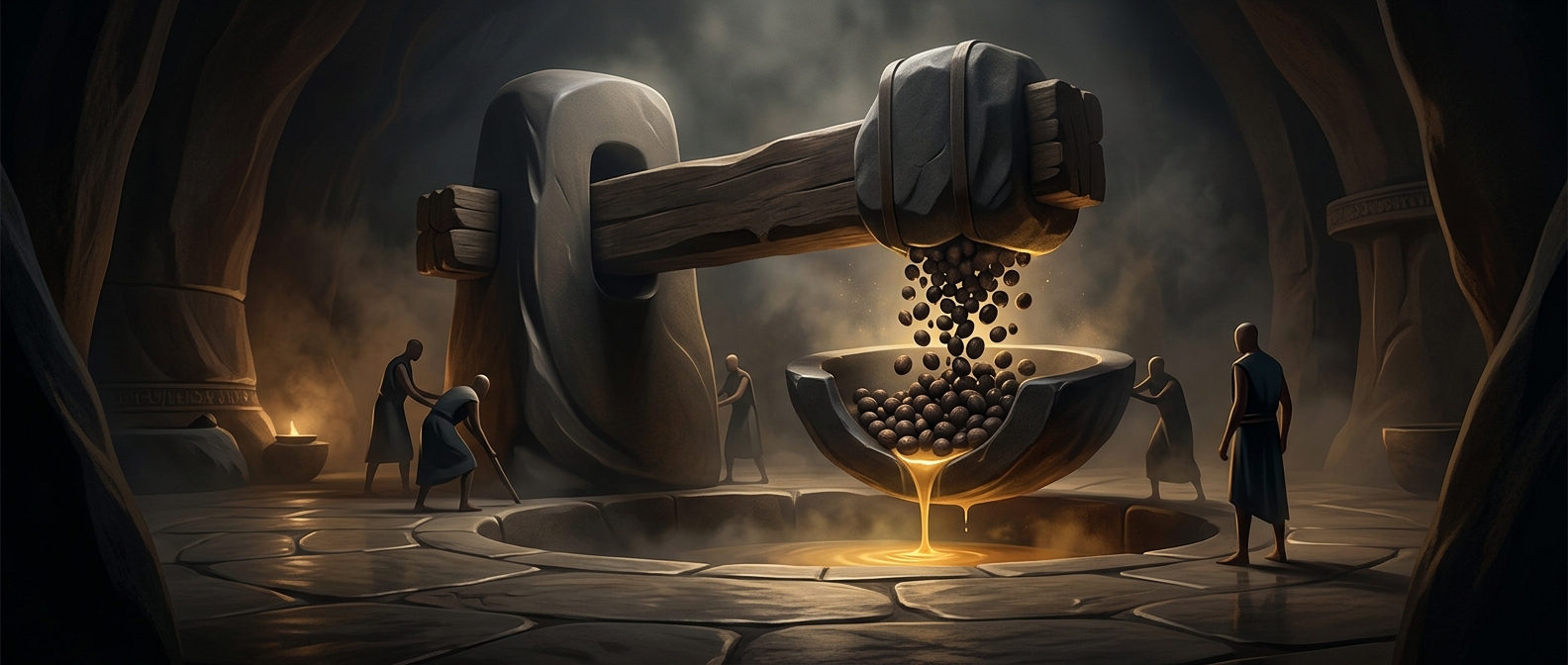
The “nut” in shea butter is the hard shell around a kernel—the part that stores the oil-rich fat. Before that fat can be collected, the kernels must be prepared: boiling and drying help make them usable, while grinding breaks their solid structure into a paste. The crushing is not just a way to make the pieces smaller; it exposes the fat so it can be separated from the rest of the kernel.
That separation happens during kneading. Water is worked into the ground kernels, and sustained mixing helps the oily material gather apart from the watery mixture. The fat can then be collected and allowed to set into butter. In other words, the final product emerges not from a single press but from a sequence of preparation and physical separation.
Labor is part of the production cost
Each step depends on handling the material: processing the kernels, grinding them, and repeatedly working the paste. That makes traditional shea production labor-intensive. The time and effort invested before the butter is ready are part of its economic value, not an incidental detail of how it is made.
The method also shows why the kernel’s fat cannot simply be scooped out. It is held within a dense plant material, so it must first be exposed and then coaxed away from the mixture. The butter is the result of repeated mechanical work—crushing to release the fat, then kneading to separate it.