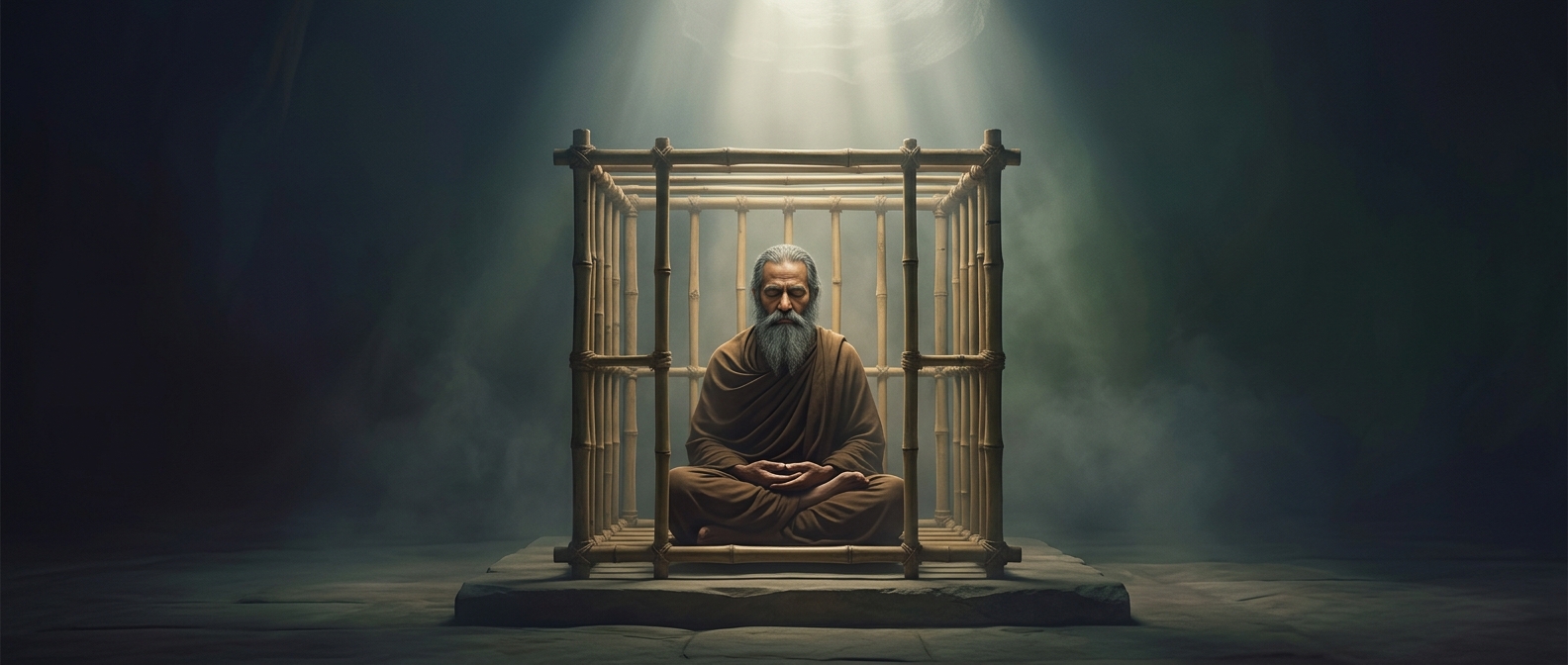
Theosis means sharing in divine life
In Eastern Orthodox Christianity, theosis is the gradual transformation of a human being through communion with God. The word is often translated as “deification,” which can sound like a person becomes a god in the same sense that God is God. Orthodox teaching draws a careful distinction: people do not become divine by nature or replace God. They are understood to participate in God’s life by grace.
That makes the goal more than feeling calm or morally improved. It is a reorientation of the whole person—thoughts, desires, and actions—toward love of God and neighbor.
How monks pursue it
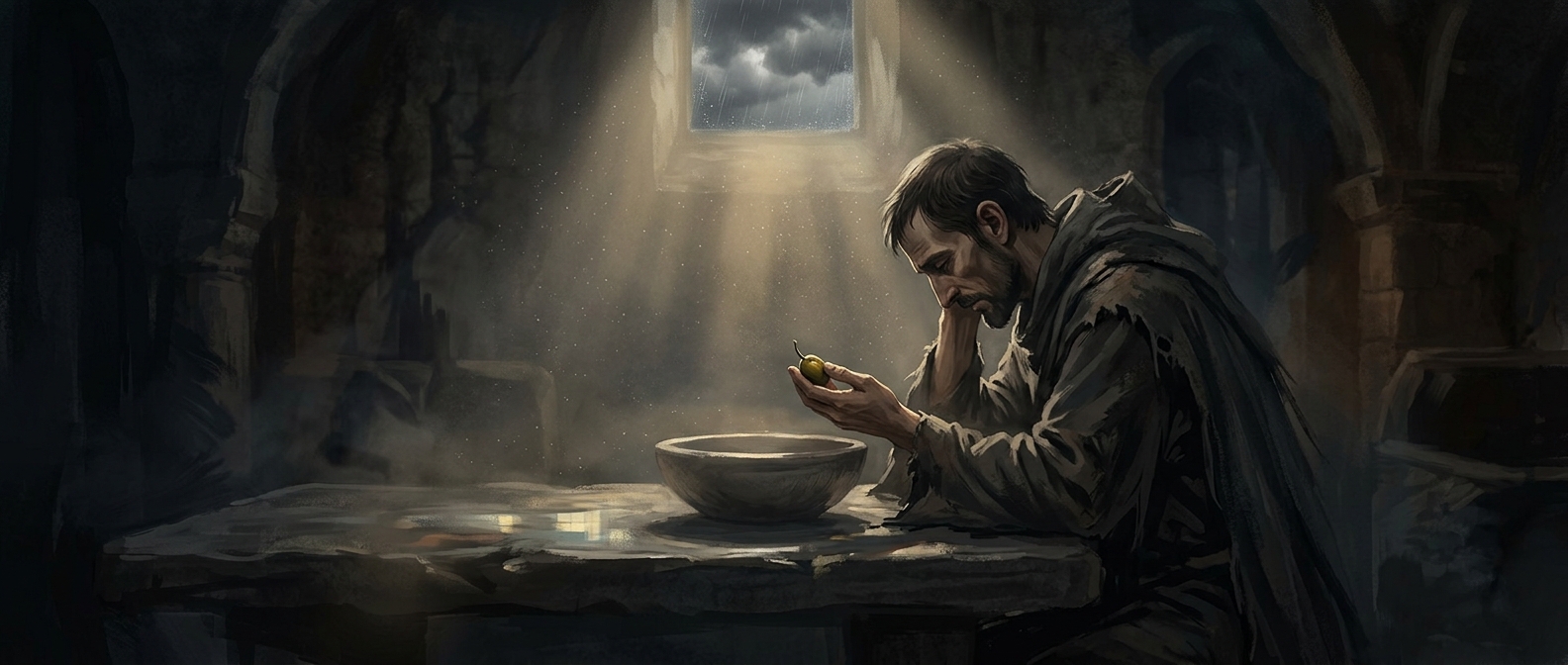
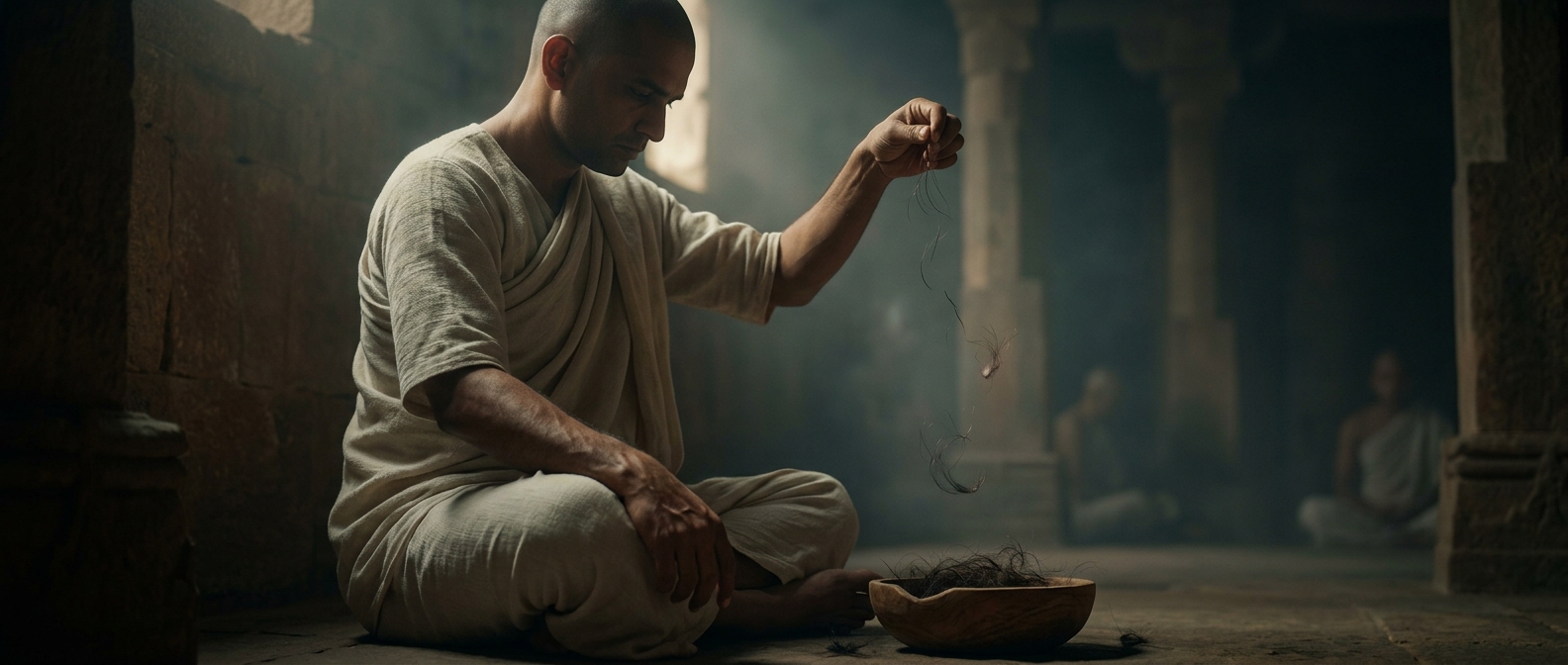
Monastic life gives that pursuit a deliberate structure. Prayer, worship, fasting, obedience, and shared work repeatedly turn attention away from self-will and toward God. These practices are not treated as a spiritual payment that earns divinity. They are ways of making a person more receptive to grace, while acknowledging that transformation is ultimately understood as God’s work.
Orthodox writers also distinguish God’s unknowable essence—what God is in himself—from God’s “energies,” meaning God’s active presence and work in the world. The distinction helps explain how people can truly share in divine life without claiming to comprehend or become God’s essence.
A transformation measured in ordinary life
Theosis is not usually framed as a sudden promotion to a higher spiritual rank. It is a lifelong path, and its test is not a claim of supernatural status but a changed way of living: greater humility, patience, and love. For a monk, the daily rhythm of prayer and service is not a side activity on the way to transformation. It is where that transformation is sought.