Why Deadpool’s Writers Were on Set
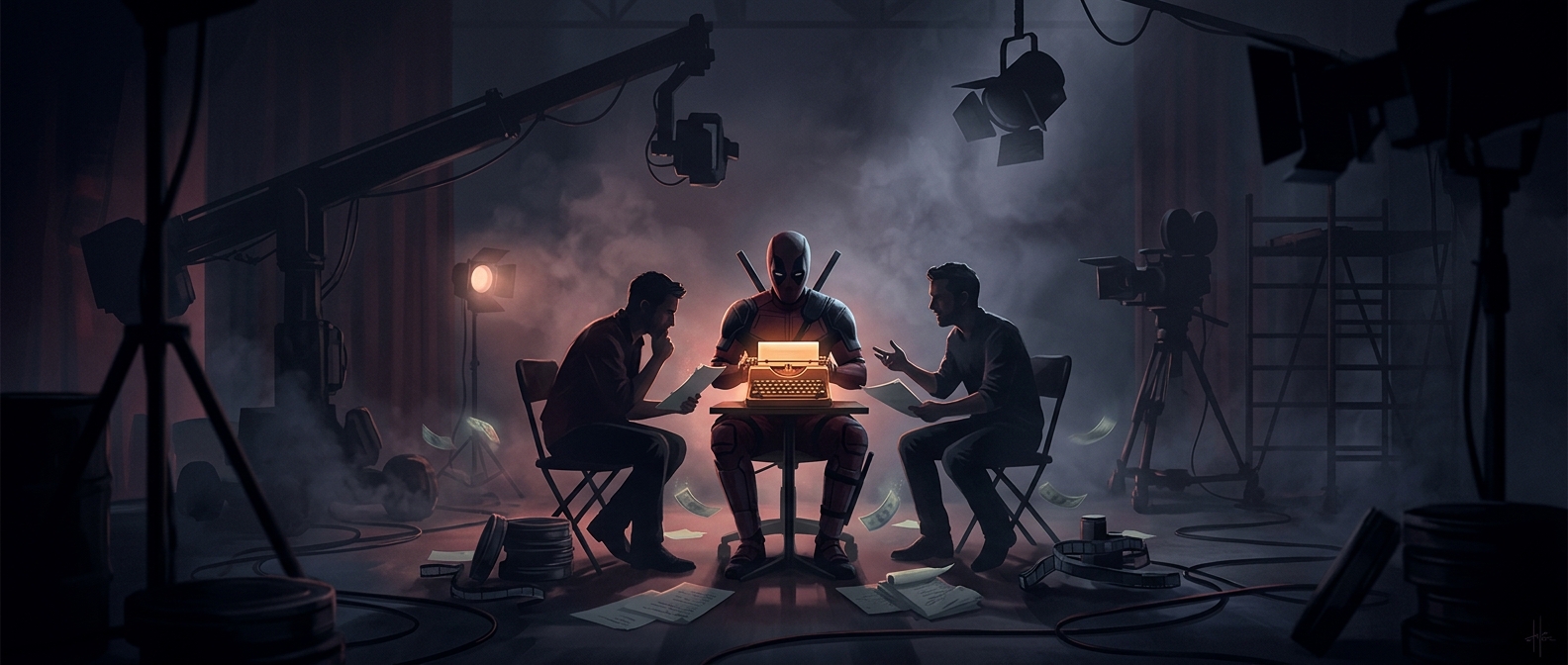
A screenplay is not always finished when filming begins. Once actors, locations, props, and camera angles are in place, a scene may need a quick adjustment: a line may not fit the moment, a joke may land awkwardly, or a practical change may require a different version of the action. Having the writers nearby lets a production address those problems while the scene is still being shot.
For Deadpool, that role mattered especially because the film’s comedy depended on sharply timed dialogue and a distinctive comic voice. Rhett Reese and Paul Wernick could help shape lines in the context of the performances and footage, rather than leaving every change for later revisions. Their presence did not guarantee that every suggestion would be used; it made the people who knew the script available when the production needed them.
A Personal Investment in the Process
Fox would not pay for Reese and Wernick to remain on set during filming, so Ryan Reynolds paid their salaries himself. That meant taking on a production cost personally in order to keep the writers involved through the shoot.
The practical point is easy to miss: a writer’s contribution can extend beyond delivering a script. On a comedy, small changes made in the moment can affect rhythm, character, and whether a joke works at all. Reynolds’s decision helped keep the writers close to those decisions, where words on the page had to become scenes on screen.