Why doctors tried to interrupt the brain’s circuits
In the mid-20th century, severe psychiatric illness could leave people in hospitals for years, while treatments were limited and often ineffective. Some doctors hoped that changing the brain’s connections might ease overwhelming distress or disruptive behavior. The operation belonged to a wider family of procedures called lobotomies, which altered pathways in the frontal lobes—the brain regions involved in planning, judgment, and regulating emotion.
The reasoning was broad rather than precise: doctors did not know which specific circuit caused a given person’s illness. They tried to reduce the brain’s activity by cutting connections, sometimes judging success by whether a patient became calmer or easier to care for.
A shortcut with lasting consequences
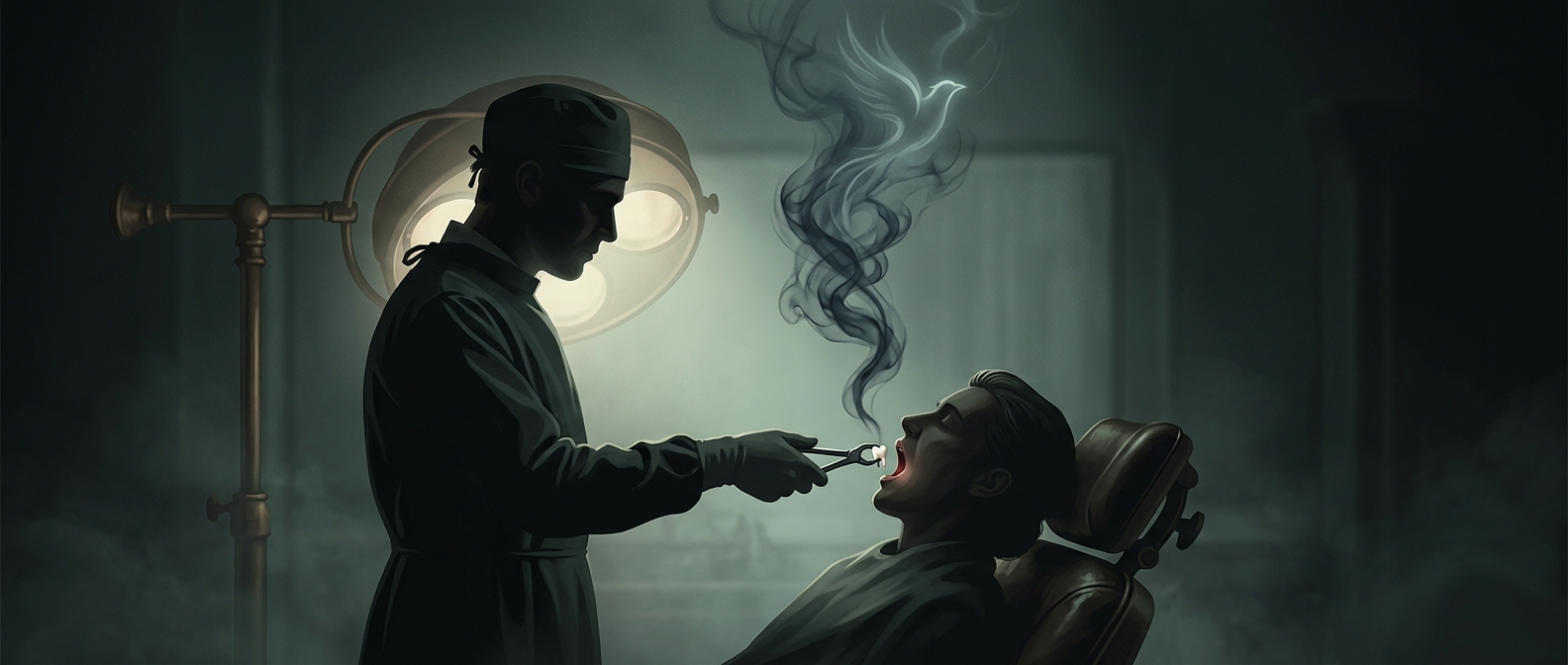
The approach associated with the ice-pick-like instrument was a faster, less elaborate variation on earlier brain surgery. Its speed and simplicity helped it spread, but they did not make it selective. The tool could disrupt tissue without distinguishing between a pathway linked to troubling symptoms and connections needed for initiative, emotional range, or independent decision-making.
Some patients became less agitated, but quietness was not the same as recovery. Lobotomies could leave people with profound changes in personality, motivation, judgment, or ability to manage daily life. Because the effects were irreversible, the consequences could last long after the behavior that prompted surgery had changed.
What changed
As psychiatric medicines and other treatments became available, and as the damage caused by lobotomies became harder to ignore, the procedure fell out of use. Its history illustrates a crucial distinction in medicine: changing a symptom is not necessarily the same as treating its cause. A person who seemed easier to manage could still have lost capacities essential to living independently.