The fear behind the clink: a poisoned drink
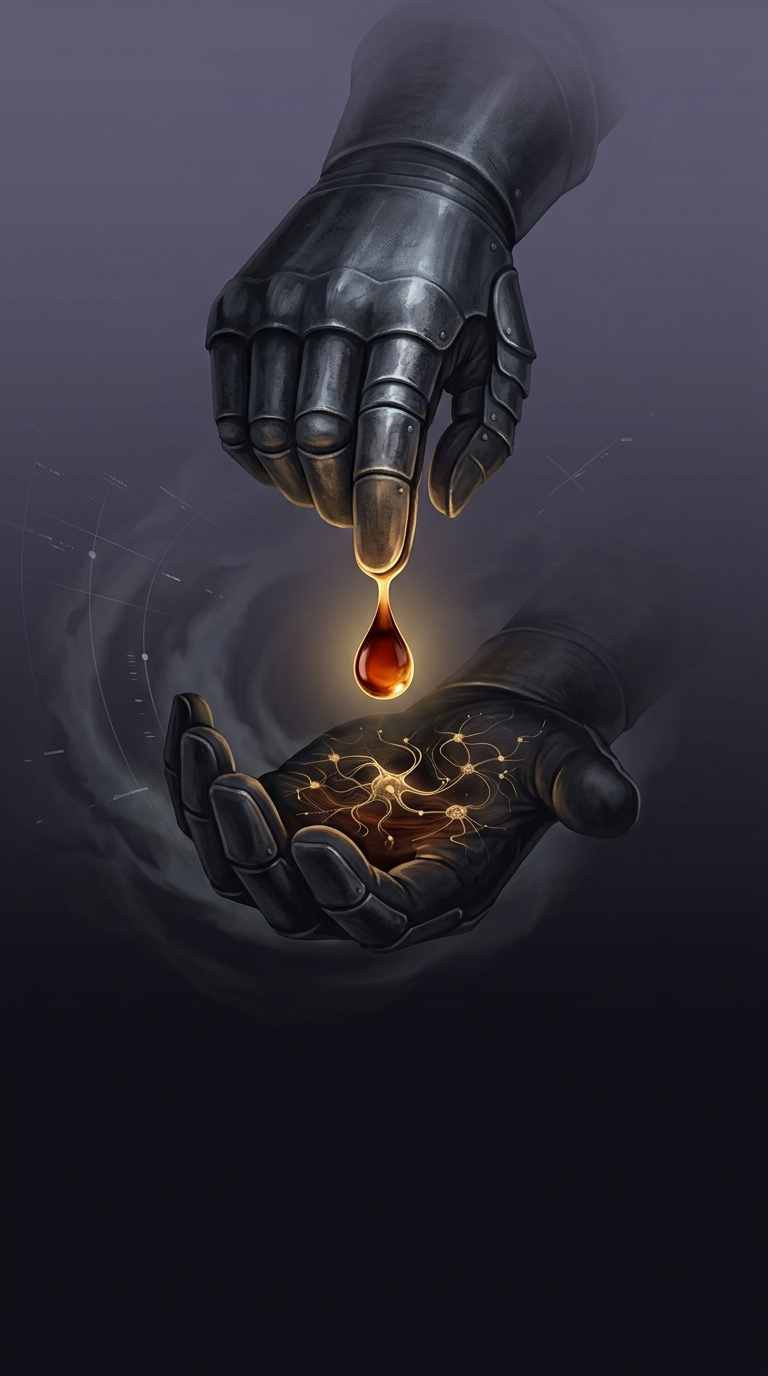
The familiar explanation is that medieval drinkers feared being poisoned. In a world where a threat could be difficult to detect and powerful people faced dangerous rivals, sharing a drink was not always a casual act. The story says that clinking cups helped turn that risk into a small ritual of trust.
How the gesture was supposed to work
In the tale, people struck their cups together hard enough for some liquid to splash from one into the other. If each drinker then took a sip, neither could easily poison the other without risking the same fate. The clink made the exchange visible: both people had touched the moment of drinking, rather than one simply accepting a cup from the other.
It was a gesture, not a dependable test. A splash could not reveal every poison or prove that a drink was safe. But rituals often work through what they signal as much as through what they physically accomplish. The imagined exchange made trust mutual—and made suspicion part of the ceremony.
A story that stuck
The poisoning explanation is best treated as a traditional account of the custom, not a securely documented single origin. The precise beginnings of everyday gestures are often hard to pin down. Still, the story gives the raised glass an unusually tense backstory: a toast can look convivial while echoing an older fear that accepting a drink meant placing your life in someone else’s hands.