Why a scar can matter more than a fight
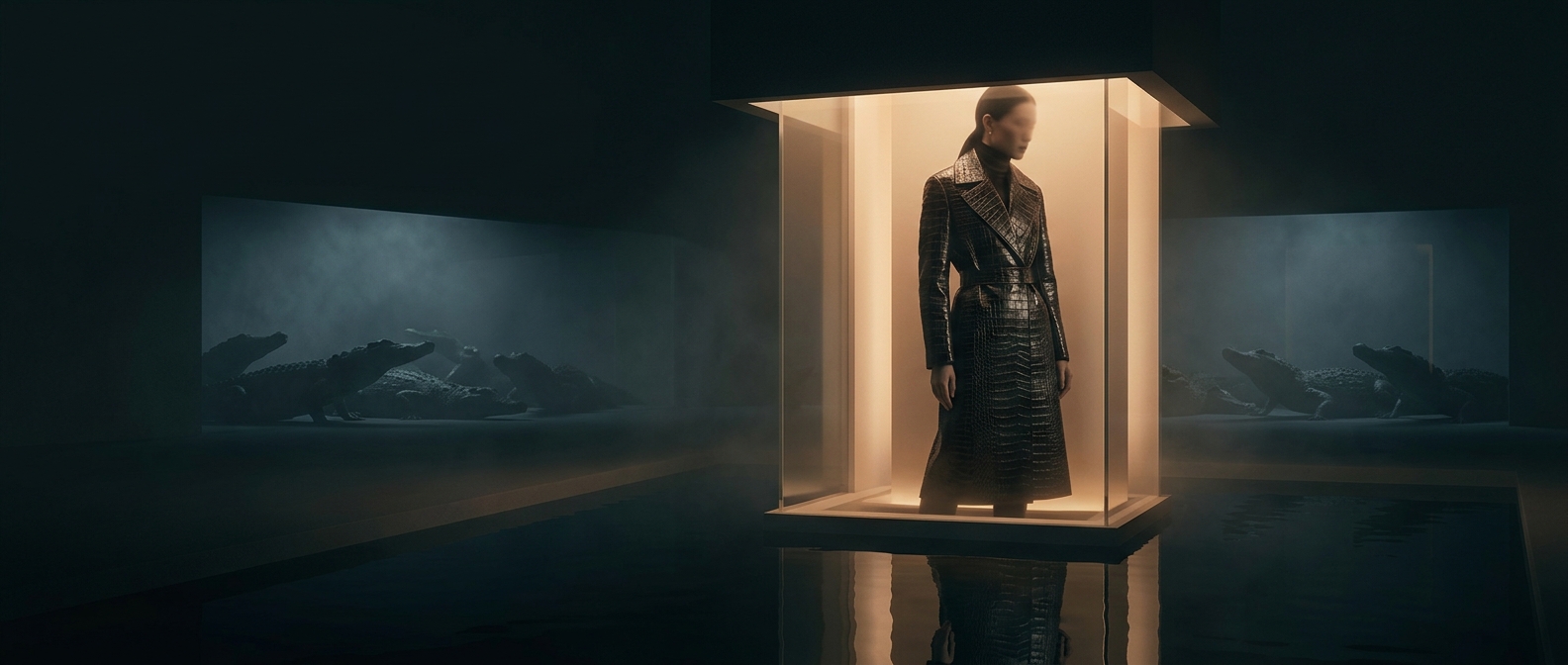
For a leather buyer, a crocodile hide is not valuable simply because it is large. Its surface has to meet the standards of the products it will become. The belly is especially prized because its scales are relatively smooth and regular, making it suitable for the broad, visible panels used in luxury goods. A bite, scrape, or healed wound can interrupt that pattern and lower the hide’s usable quality.
Turning animal behavior into a production cost
Crocodiles are not reliably peaceful neighbors. When animals housed together clash, their teeth and powerful jaws can leave damage that persists after the wound heals. The farm’s loss is therefore not just the cost of treating an injured animal: a blemish can reduce the value of a hide at the end of the production cycle.
Separate pens are a form of risk management. They take up more space and require more infrastructure and daily attention than keeping animals in shared enclosures, but they reduce opportunities for contact and fighting. The choice is an economic tradeoff: spend on housing now to protect the quality—and potential price—of the eventual product.
The hide shapes the housing
This is why the design of a crocodile farm is tied to the demands of the leather market. A pen is not only a place to keep an animal; it is also part of the system used to preserve the condition of its skin. In this business, preventing one encounter can protect a surface buyers may judge piece by piece.