Turning spiritual attainment into a public spectacle
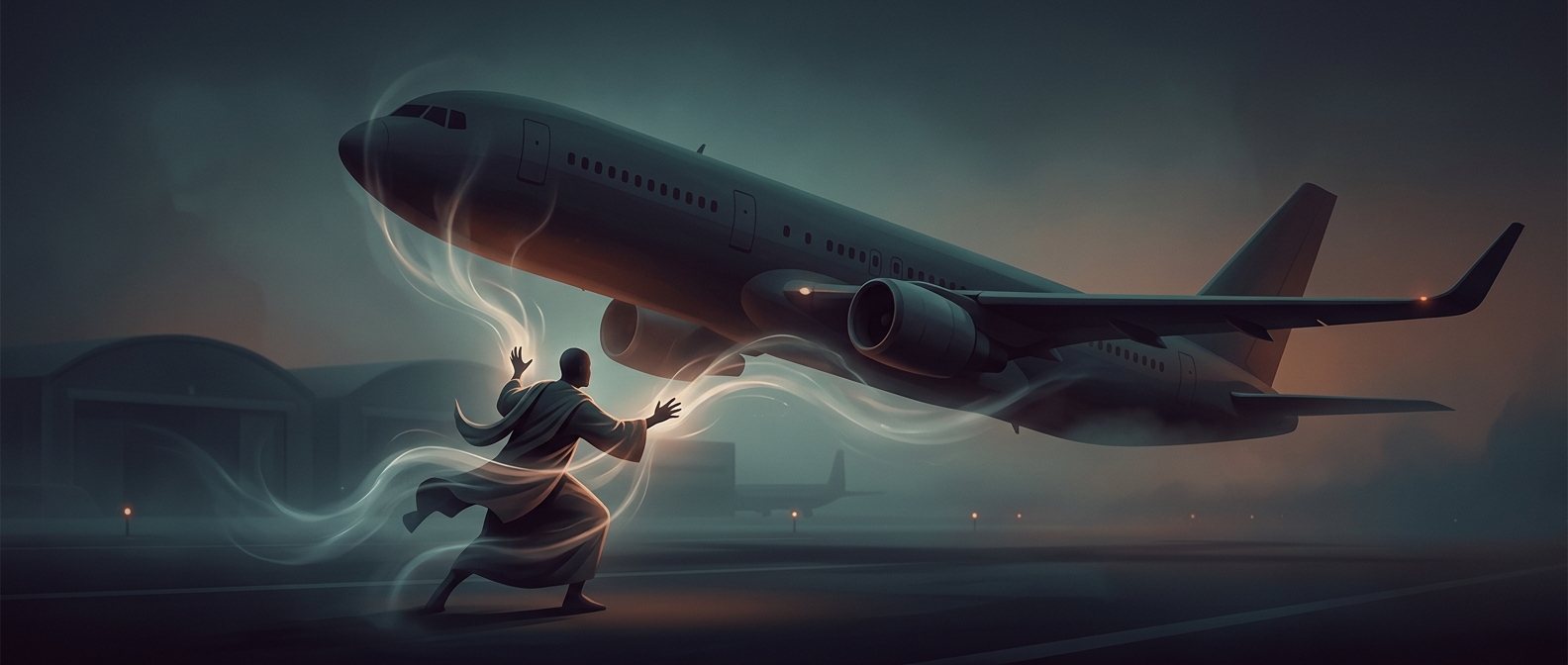
Sri Chinmoy treated physical lifting as a visible expression of an inward claim: that meditation could bring a person into direct experience of the divine, or what he called God-realization. In that framework, strength was not simply a measure of muscle. A feat performed before an audience could be presented as evidence of what disciplined spiritual life might make possible.
That choice also made an abstract idea easy to see. Meditation is private and difficult to assess from the outside; a platform rising with an elephant, helicopter, or group of people gives spectators a concrete event to watch. The spectacle connected spiritual practice to a recognizable test of human capability.
What the platform changed
The custom-built platforms mattered because they shaped how the feats could be performed. A lifting apparatus can support and distribute a load, letting a person raise it through a particular arrangement of handles, braces, or leverage rather than simply hoisting its full weight in the way someone might lift a dumbbell. The object’s size made the demonstration striking, while the equipment made the act physically possible.
That distinction helps explain why these events could carry different meanings for different viewers. Supporters could regard the lift as a symbol of spiritual power; others could focus on the machinery and the mechanics. Chinmoy presented the feats as demonstrations of God-realization, not as claims to personal glory. The memorable image was therefore not just a heavy object in the air, but a deliberate attempt to make an invisible spiritual ideal appear in public.