A soldier becomes a romantic hero
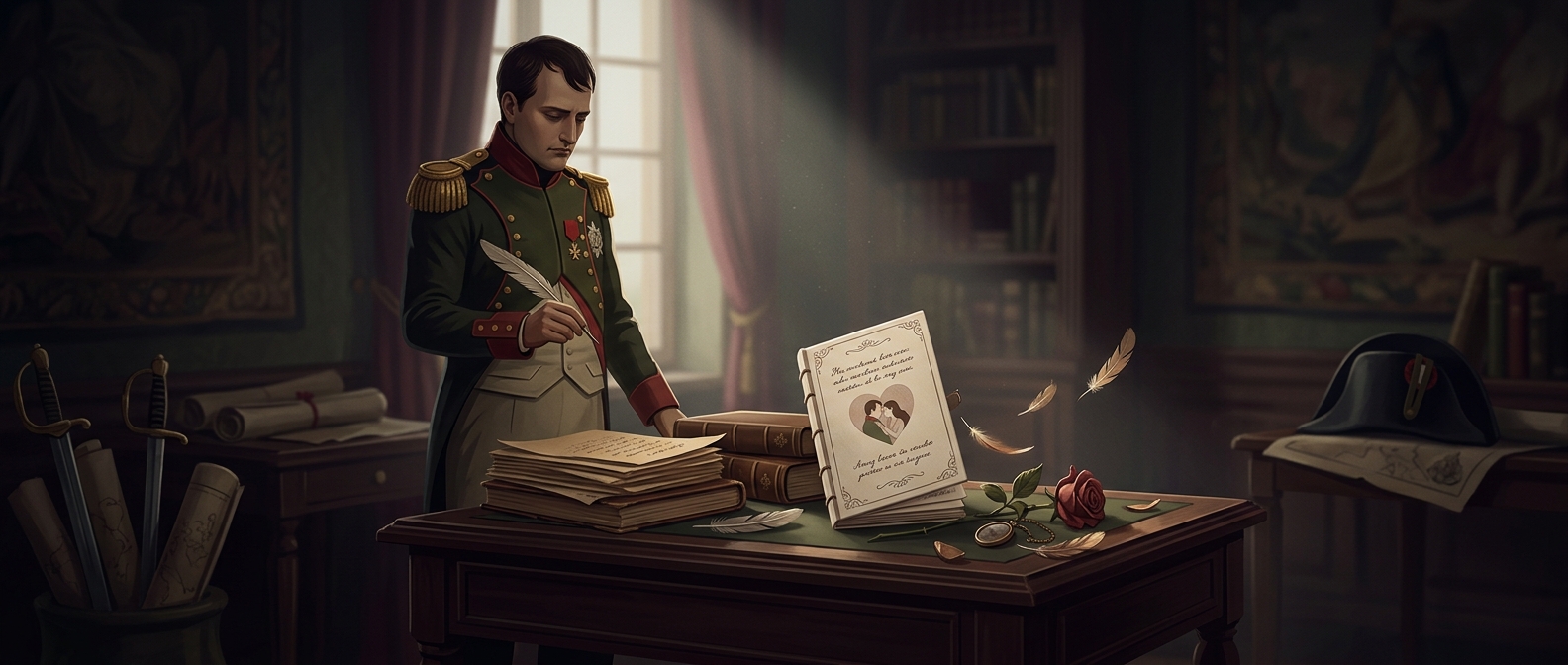
In Clisson et Eugénie, Napoleon recast private disappointment as a fictional love story. Clisson is a soldier who falls for Eugénie, marries her, and is pulled away from domestic life by military service. The plot turns the familiar clash between love and duty into melodrama: a man who can act decisively on the battlefield cannot control what distance and suspicion do to his marriage.
The story is often read alongside Napoleon’s relationship with Désirée Clary, which had ended around the period when he wrote it. But Clisson is a fictional character, not a straightforward portrait of Napoleon, and the surviving work does not let us treat every event as autobiography.
From feeling to plot
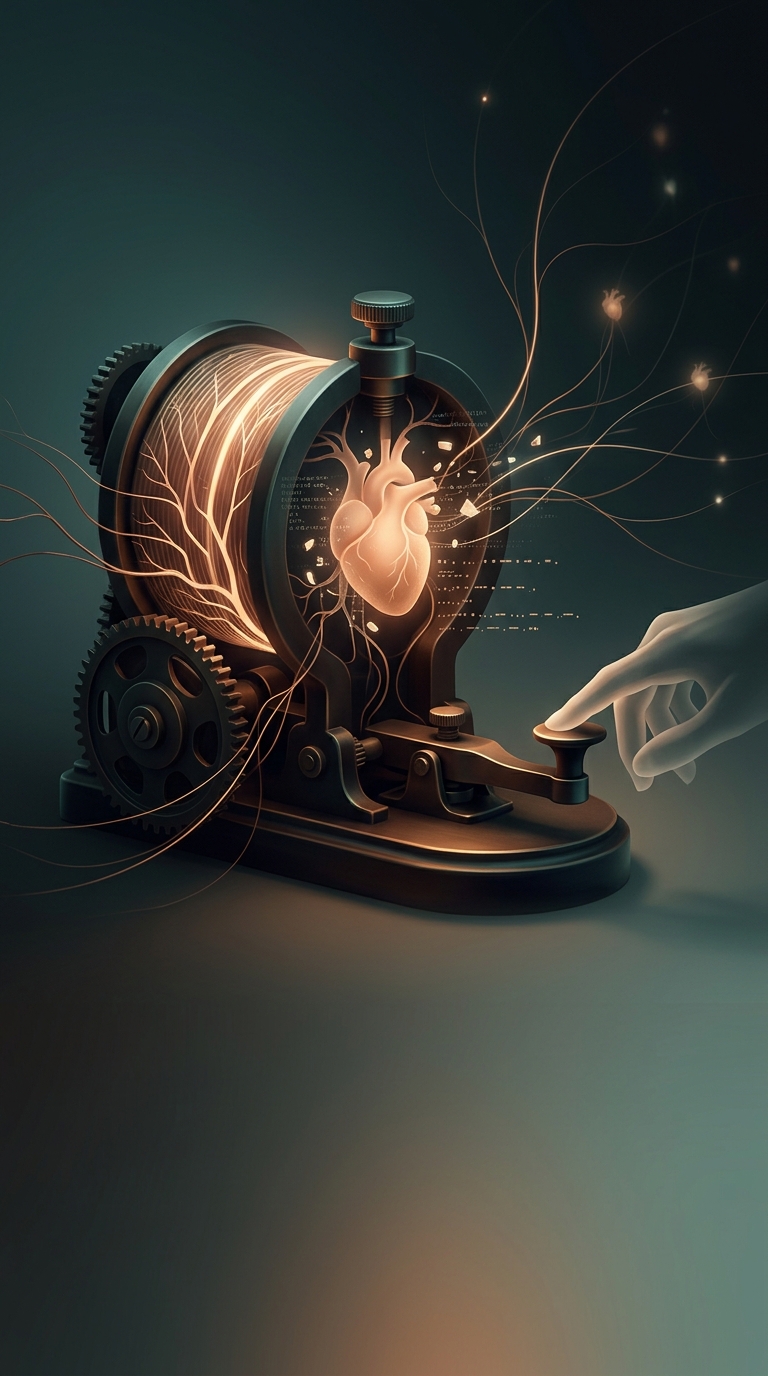
That transformation is the revealing part. Rather than simply record a breakup, Napoleon gave emotional pain a sequence of causes and consequences: a meeting, a marriage, separation, and the strain that follows. The military setting also lets the story dramatize a conflict that would have been familiar to a young officer—personal attachment competing with a career shaped by campaigns and absence.
The novella survives only in fragments, so readers cannot follow a fully finished work from beginning to end. Even so, its premise offers a striking contrast with Napoleon’s later public image. Before he became famous for commanding armies and reshaping Europe, he had tried to make heartbreak legible by giving it a soldier, a marriage, and a plot.