How Quick-Time Events Turn a Cutscene Into a Test
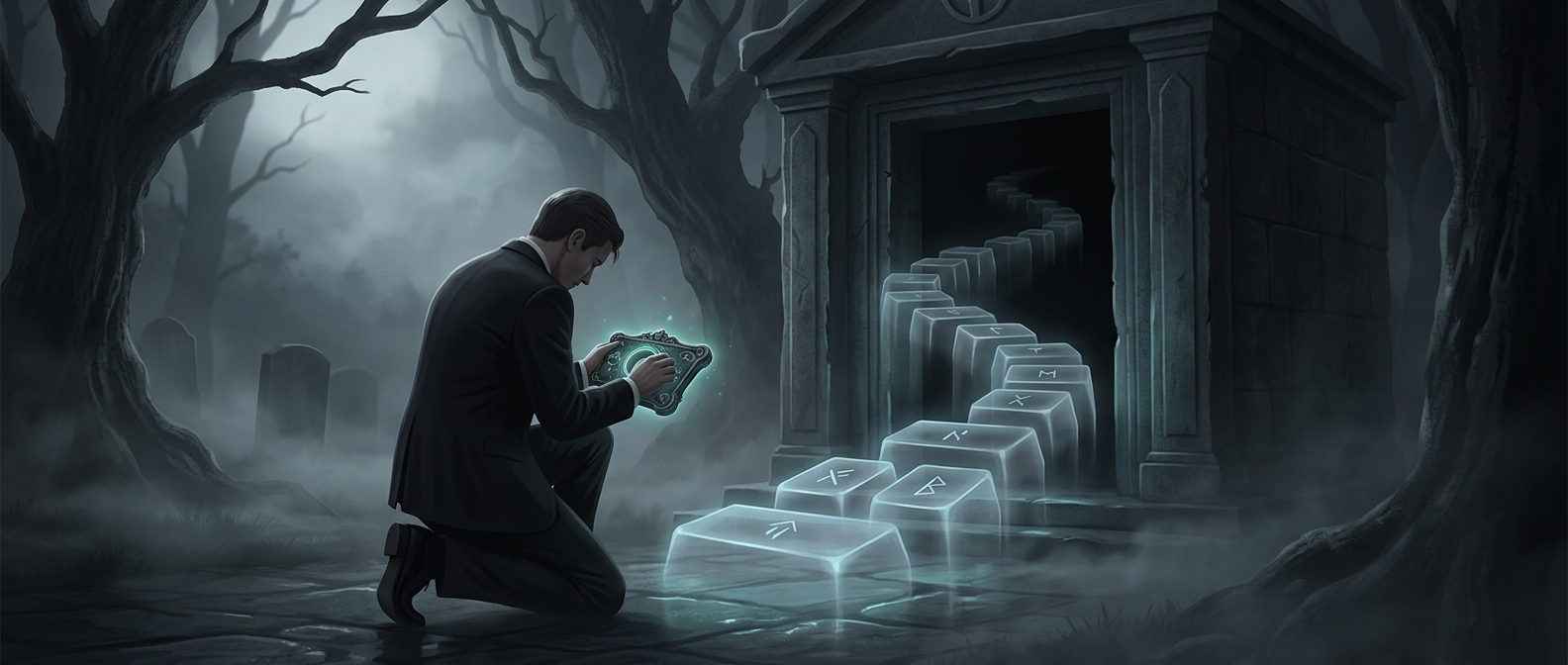
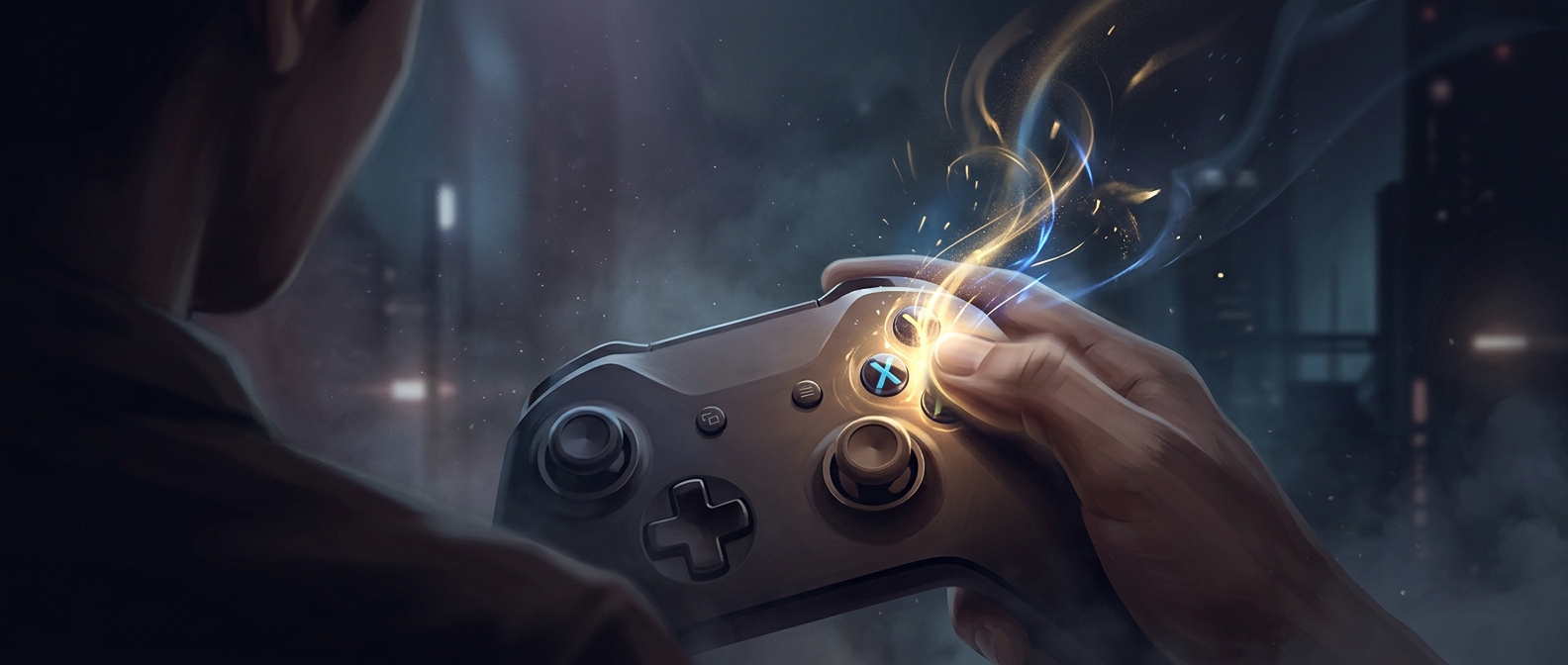
A quick-time event, or QTE, is a brief input challenge placed inside a scripted scene. The game shows a cue—such as a button icon or directional prompt—and expects the player to respond before a timer runs out. Instead of handing full movement control back, the game asks for one small, tightly timed action while it continues to stage the scene like a movie.
That arrangement solves a design problem: cinematic action can show a character doing something too precise, dramatic, or camera-focused for ordinary play, but a long stretch with no input can leave the player feeling like a spectator. A prompt inserts a decision at the moment the action turns, giving the player a narrow point of control without requiring the game to build the whole sequence as freely playable space.
The Prompt Has to Fit the Scene
The cue’s timing and clarity determine whether the challenge feels like participation or interruption. A prompt that appears just before an impact can make the player feel responsible for a rescue; one that is hard to see amid visual effects may feel arbitrary. Designers also have to decide what happens on success, failure, or a late input. The result might change the animation, cause damage, or send the story down a different path.
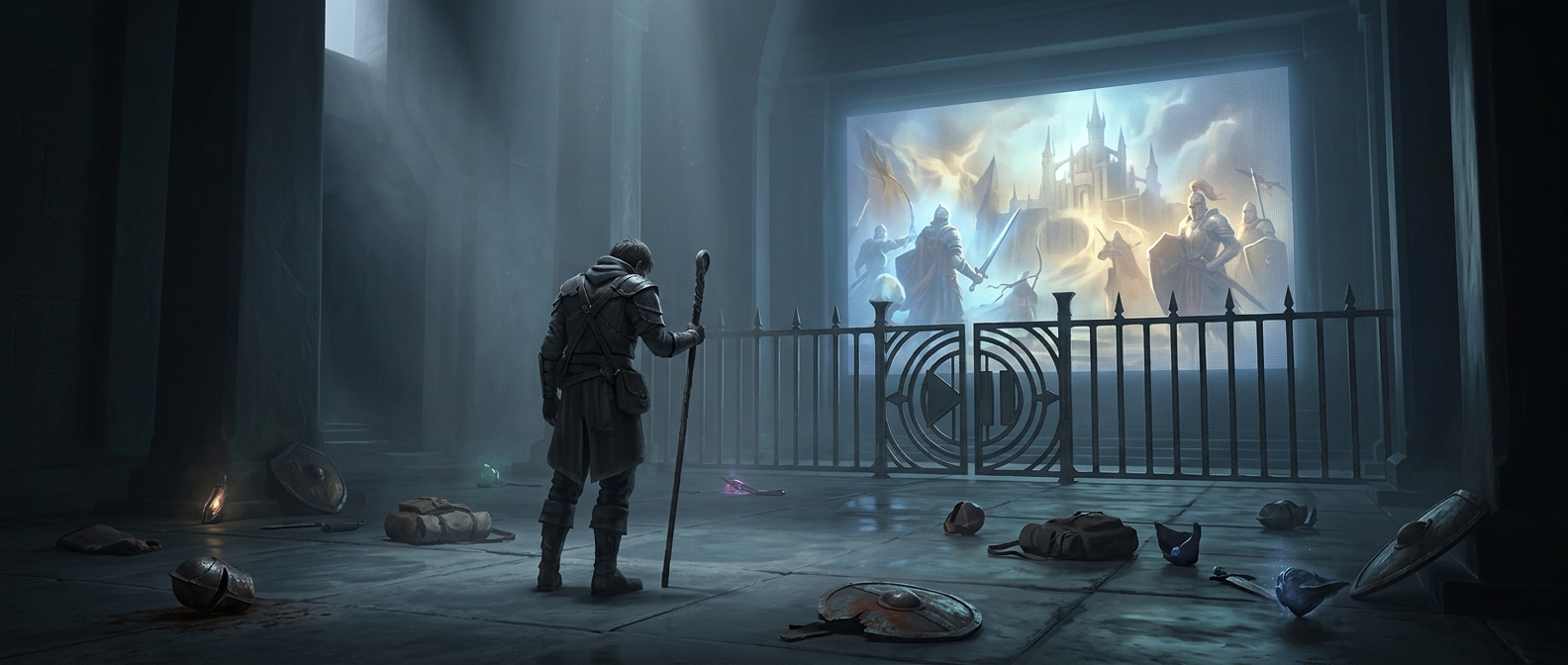
Those choices affect more than difficulty. If failure simply restarts the same scene, the prompt is mostly a timing check. If it changes what happens next, it becomes a compact branch in the story. But more possible outcomes mean more animations and transitions to create and test, so designers often limit how far the scene can diverge.
The tradeoff is control: QTEs can make a scripted moment feel personally earned, but only when the cue is readable and the consequence feels connected to the action. Otherwise, the player is left reacting to an icon rather than to the scene.