A closer look
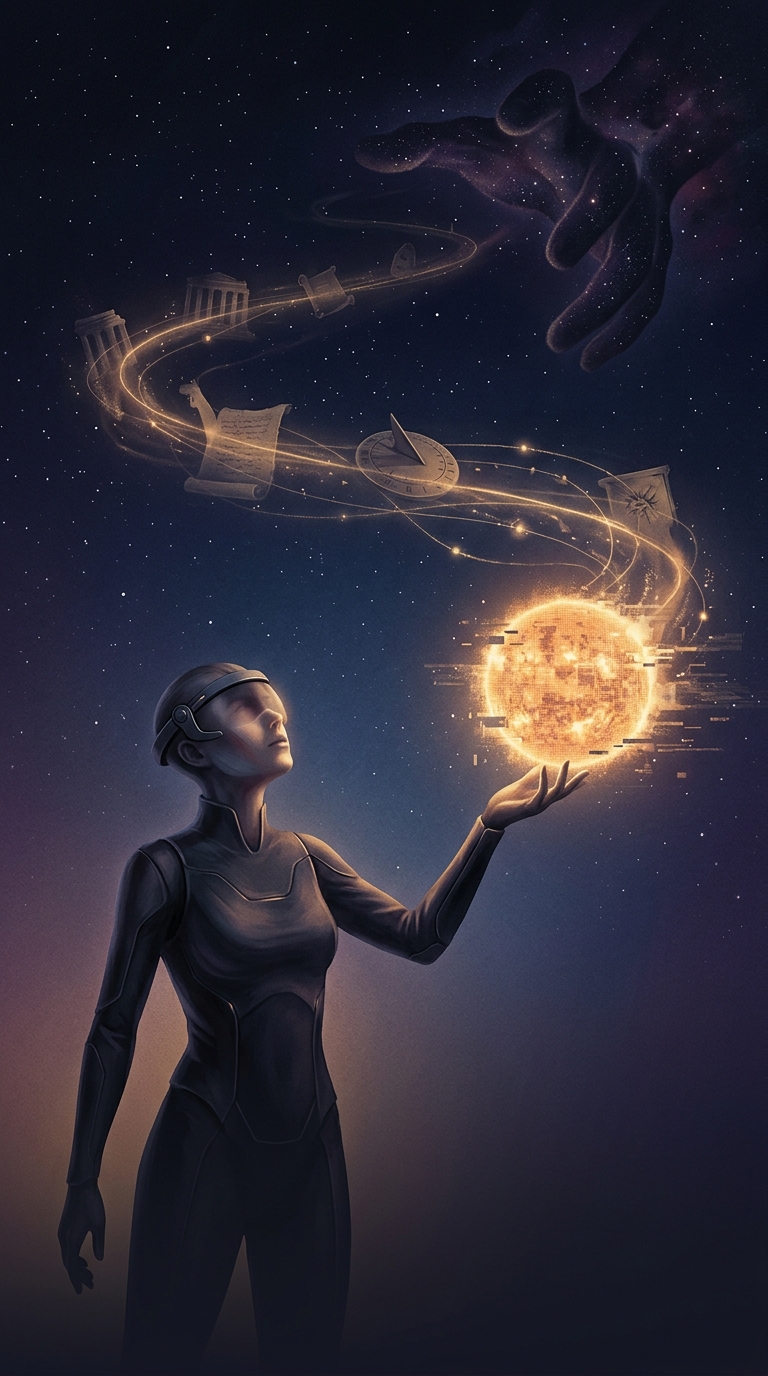
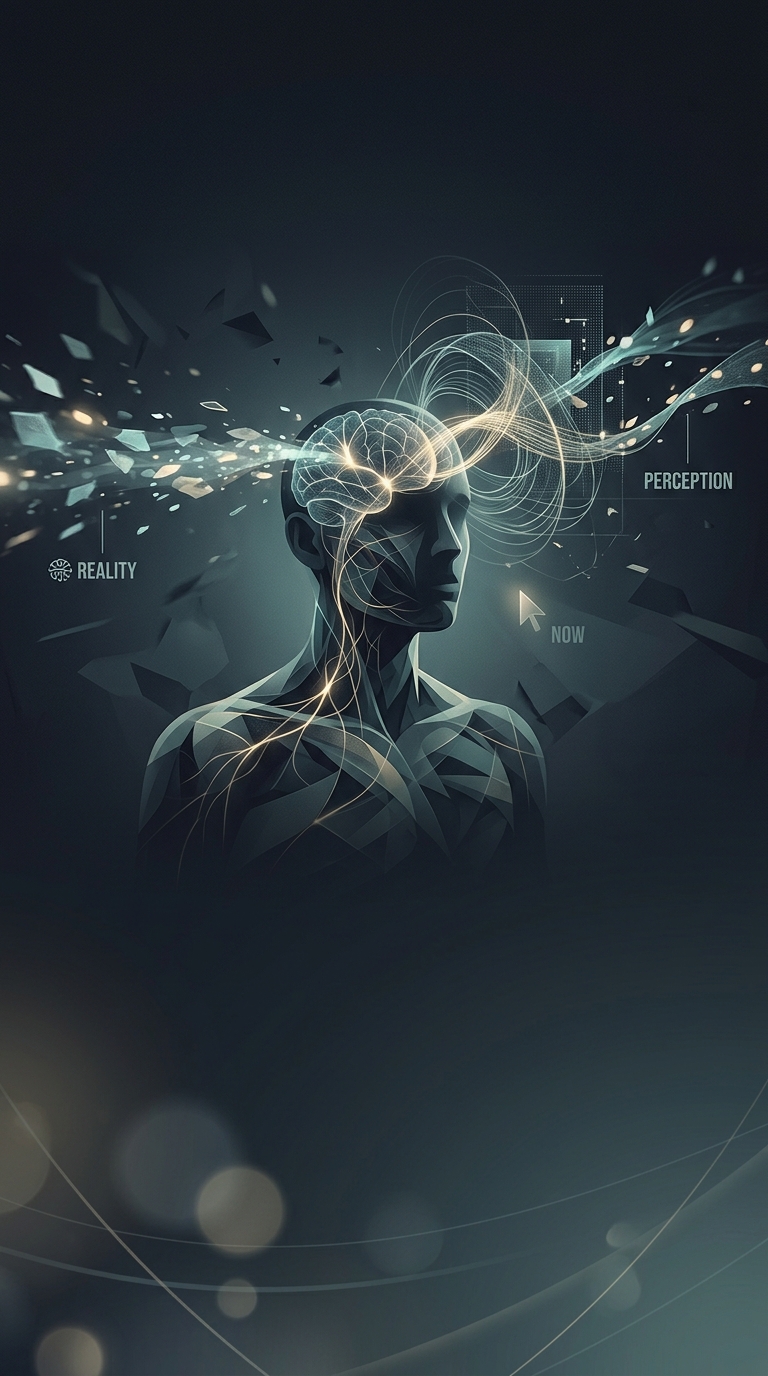
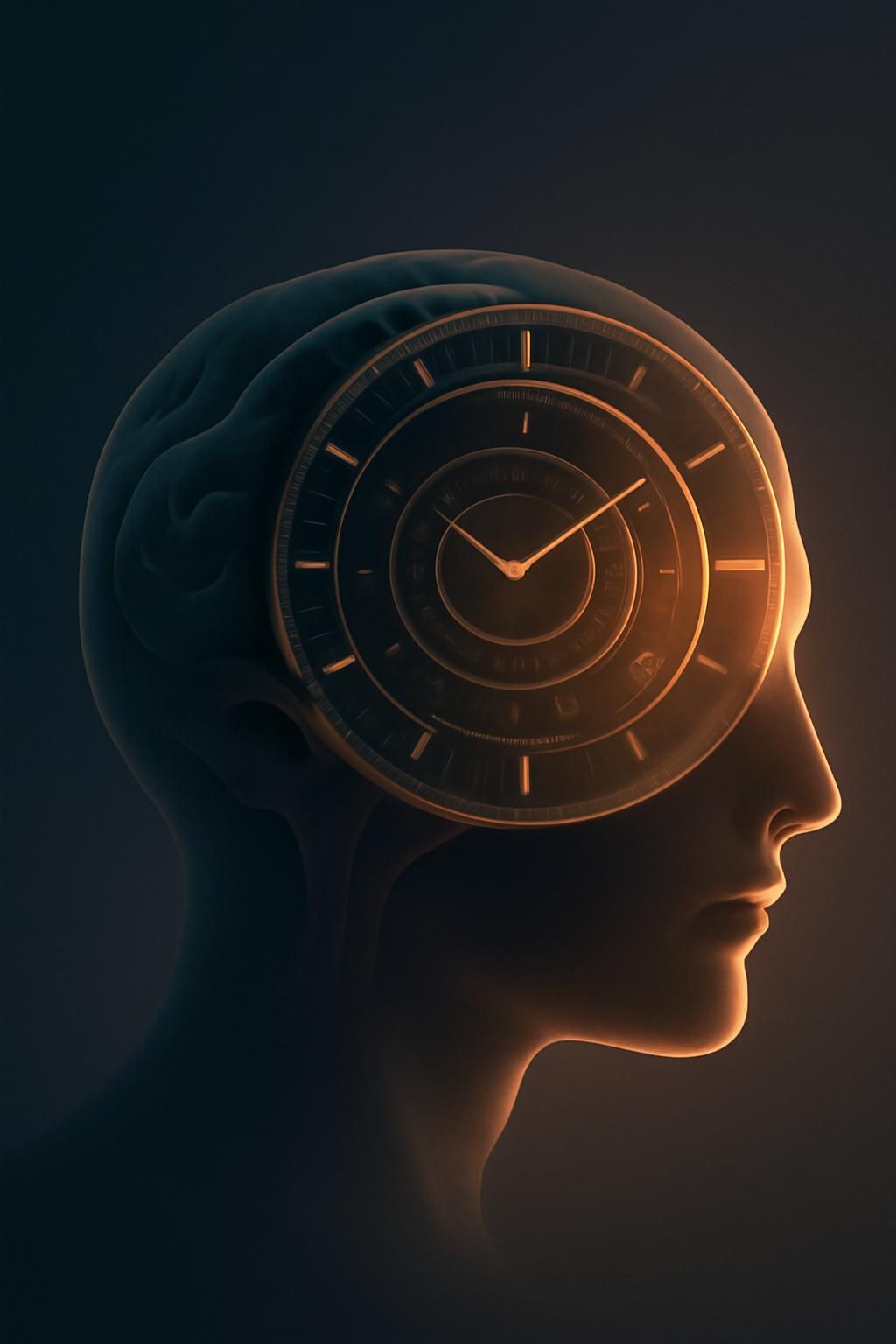
Your brain is constantly time‑traveling without telling you. Neuroscientists have found that what you experience as 'now' is actually a stitched‑together summary of the last few hundred milliseconds, buffered and smoothed so you don’t feel reality jittering. That means you’re always living slightly in the past, while your brain predicts the immediate future to keep up — guessing where a moving object will be, what word will come next in a sentence, how someone’s face will change. In extreme environments, like high‑speed jets or space, this prediction engine gets new data: different gravity, delayed signals, extended isolation. Astronauts report time stretching and compressing, not just because of relativity, but because their brains are recalibrating how many events fit into a moment without familiar cues. Even on Earth, stress, boredom, and novelty warp your inner clock. The paradox is brutal: the more you repeat the same day, the faster life feels like it’s passing, because your brain stops bothering to save the details.