Why Curling Stones Need a Bumpy Surface
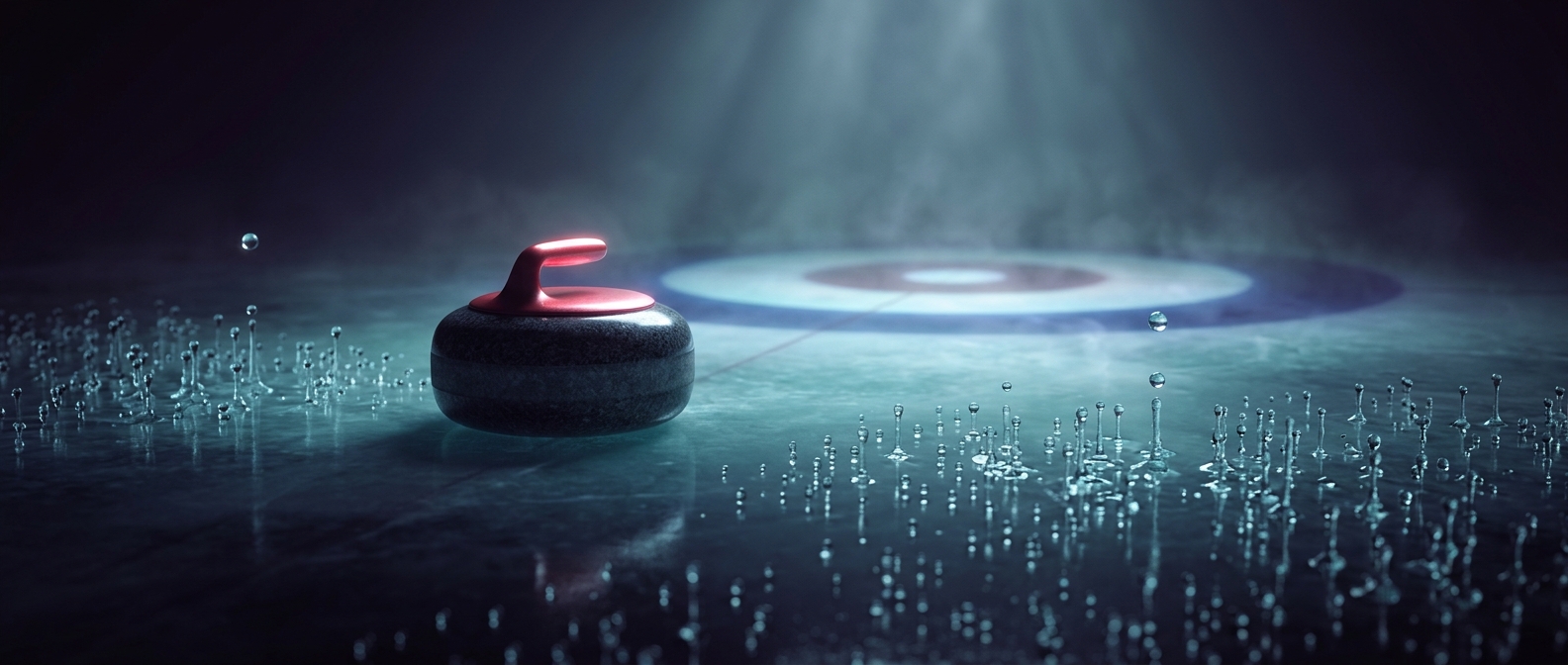
A curling stone does not slide on its entire flat underside. It rides on a narrow ring of polished granite called the running band. On perfectly smooth ice, that ring could press into a thin film of water and encounter uneven drag. Tiny frozen droplets give the stone many small contact points instead, helping it travel predictably across the sheet.
The bumps also make the playing surface tunable. Ice technicians spray water onto the sheet and let it freeze, then prepare the pebble to keep its texture as consistent as possible from one end to the other. Differences in the bumps can change how far a stone travels and how much it curls, so the surface is part of the game’s equipment—not just a backdrop.
Sweeping Changes the Ride
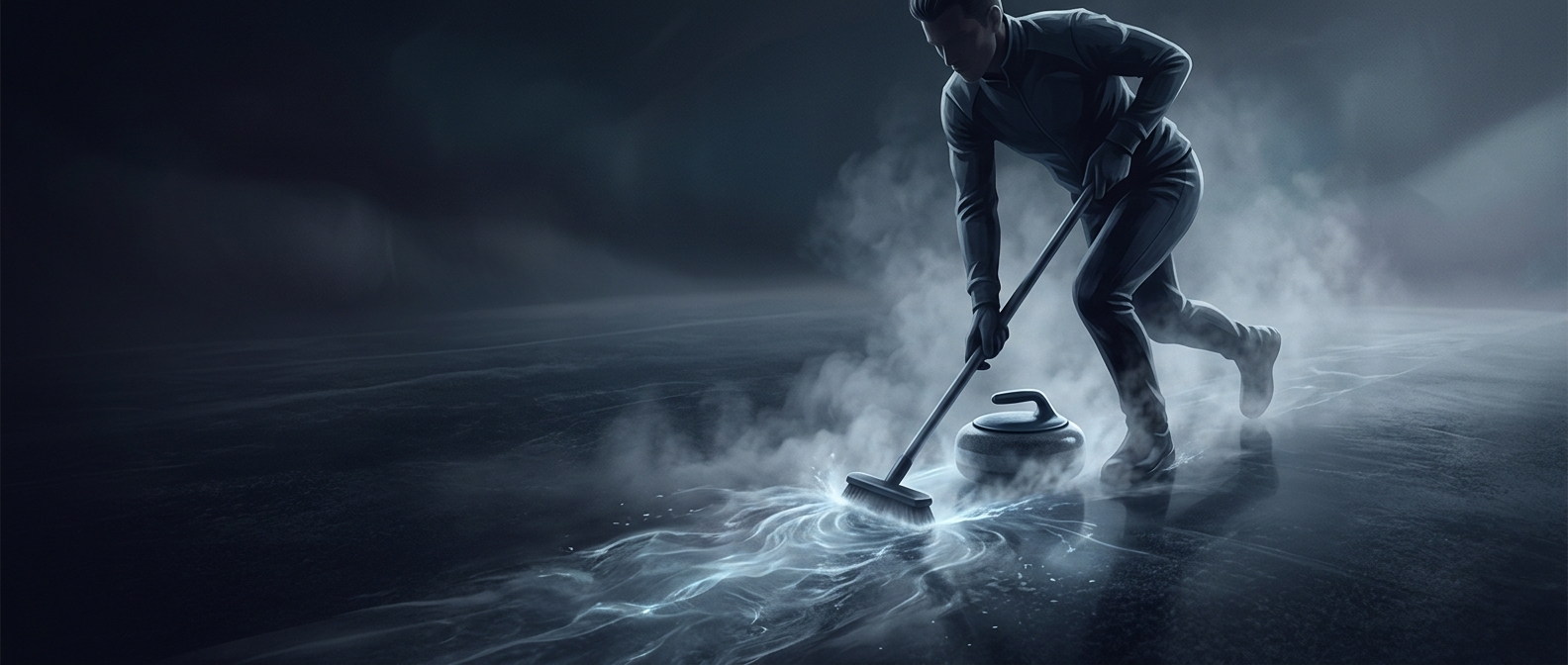
When players sweep in front of a moving stone, the brush’s friction warms the pebble very slightly. That can smooth or soften the tiny bumps and reduce resistance, allowing the stone to travel farther and often curl less. Sweeping is therefore a way to influence a shot after release, though it cannot steer the stone like a wheel.
The result is a surface designed for controlled variation: textured enough to let stones glide, but responsive enough that careful ice preparation and sweeping can change a shot’s path. On curling ice, even a thin layer of frozen droplets helps turn a heavy stone’s slide into a game of precision.