Why a Packed Snowball Hits Harder
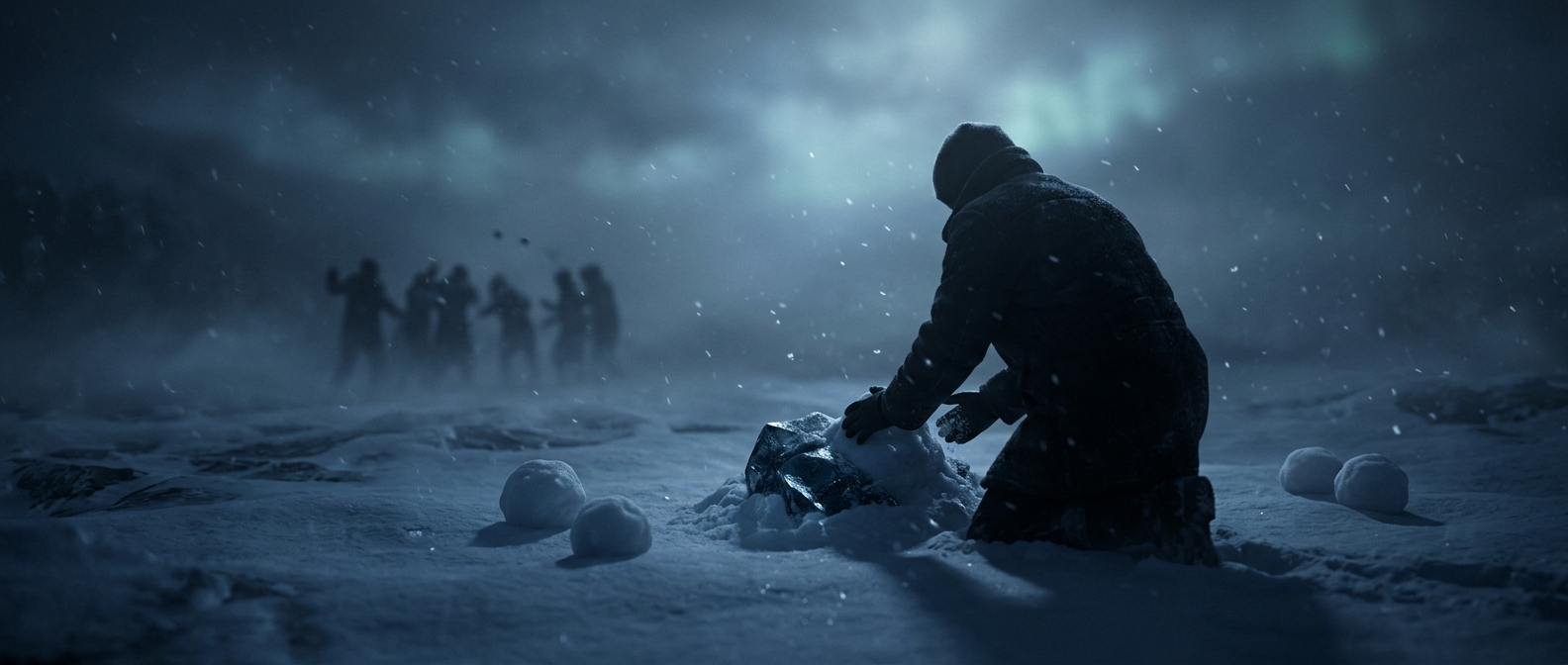
Loose snow is mostly small crystals with air spaces between them. Squeezing it together removes much of that cushioning, creating a heavier, firmer projectile. If the snowball partly refreezes, its surface can become harder still. On impact, less of the force is absorbed by the snowball crumbling or spreading out.
The difference matters because a throw carries more impact energy when the projectile has more mass or is moving faster. A dense snowball can therefore deliver a sharper blow than a fluffy one, even when the throw looks like an ordinary toss.
The Face Is Especially Vulnerable
A hit to the cheek may leave a bruise, but the eyes and nose have little protection. A hard impact near the eye can injure delicate tissue; a direct hit can damage the eye itself. The nose and lips can also be cut or bruised, especially if the snow contains a crust of ice.
Distance does not make a dense projectile harmless: a short throw can still land with force, and the person being targeted may not have time to turn away. That is why snowball games need a simple boundary: throw only soft snow, and never aim at someone’s face. A quick squeeze can turn a playful handful into something closer to a hard object.