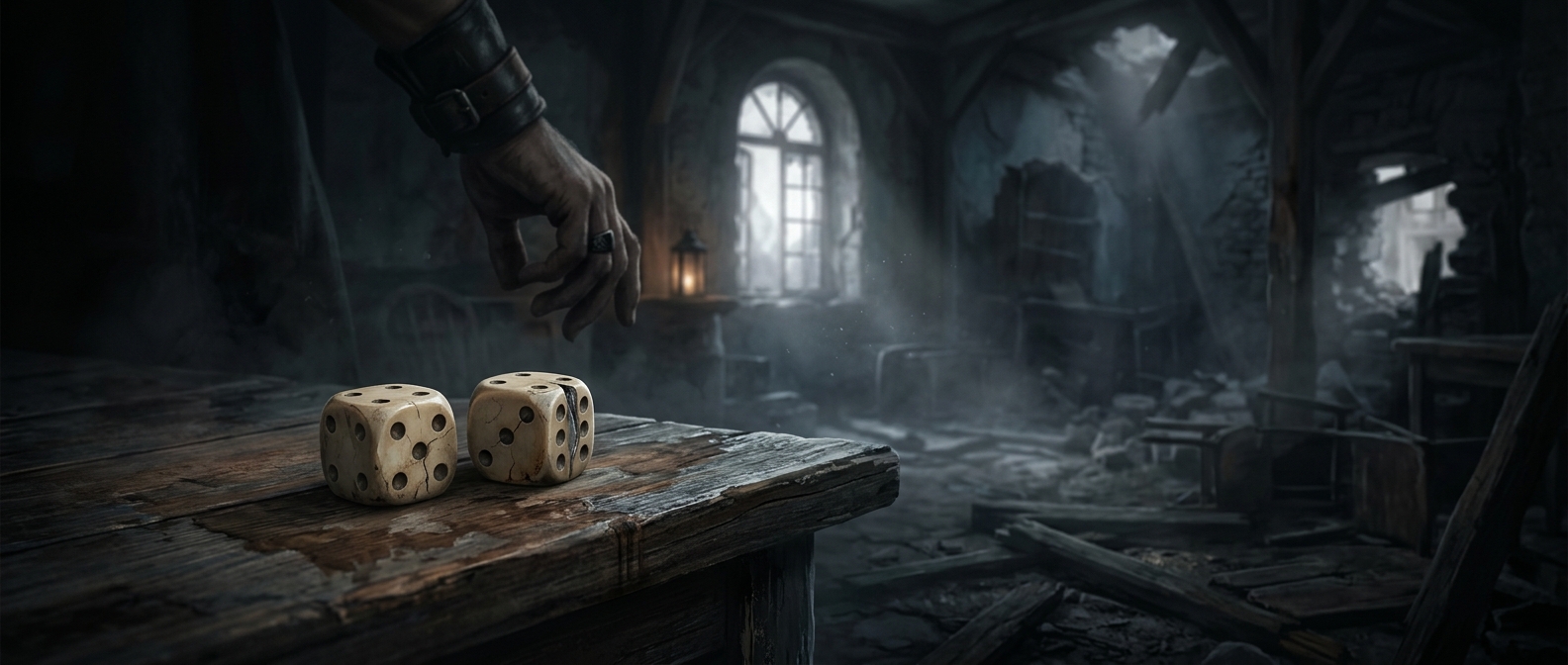
Why an Odd-Shaped Die Can Still Be Fair
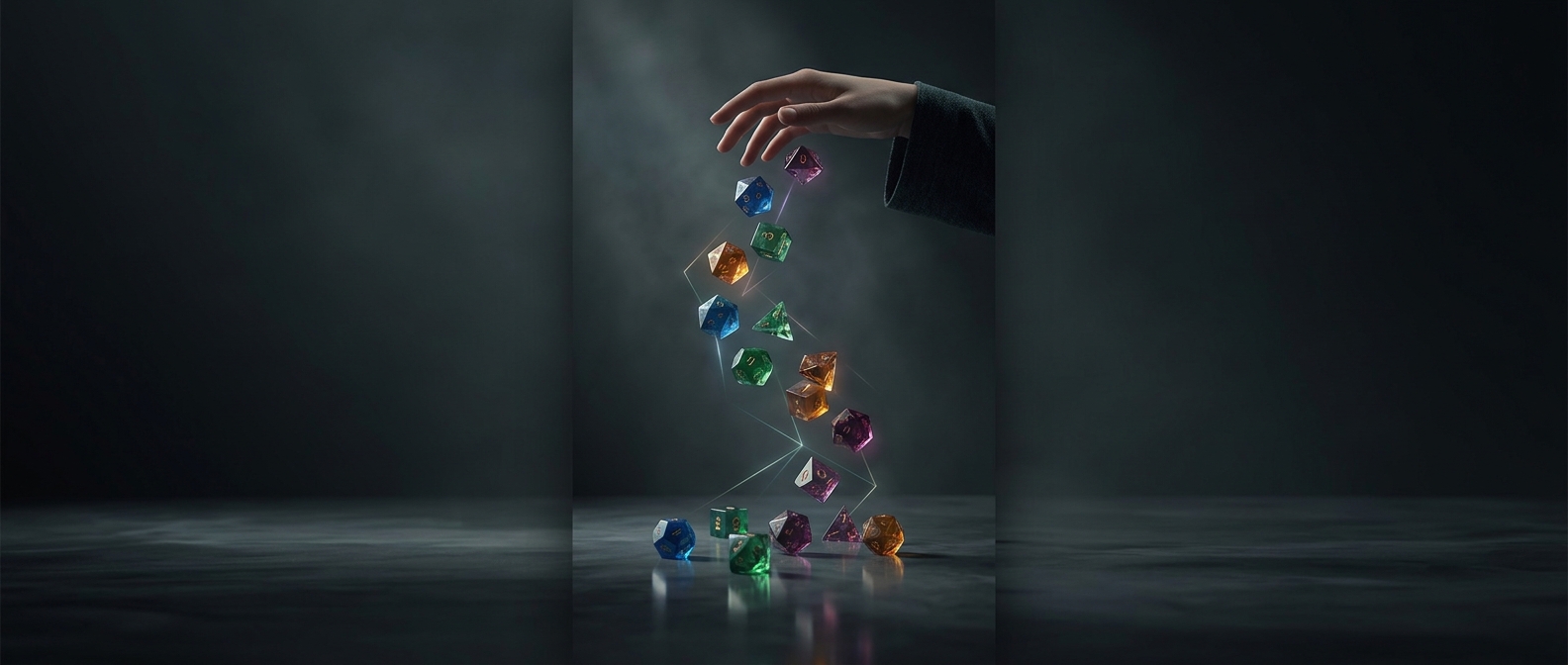
A fair die does not have to be a cube. What matters is not whether it looks familiar, but whether its shape and weight make each numbered face equally likely to finish on top.
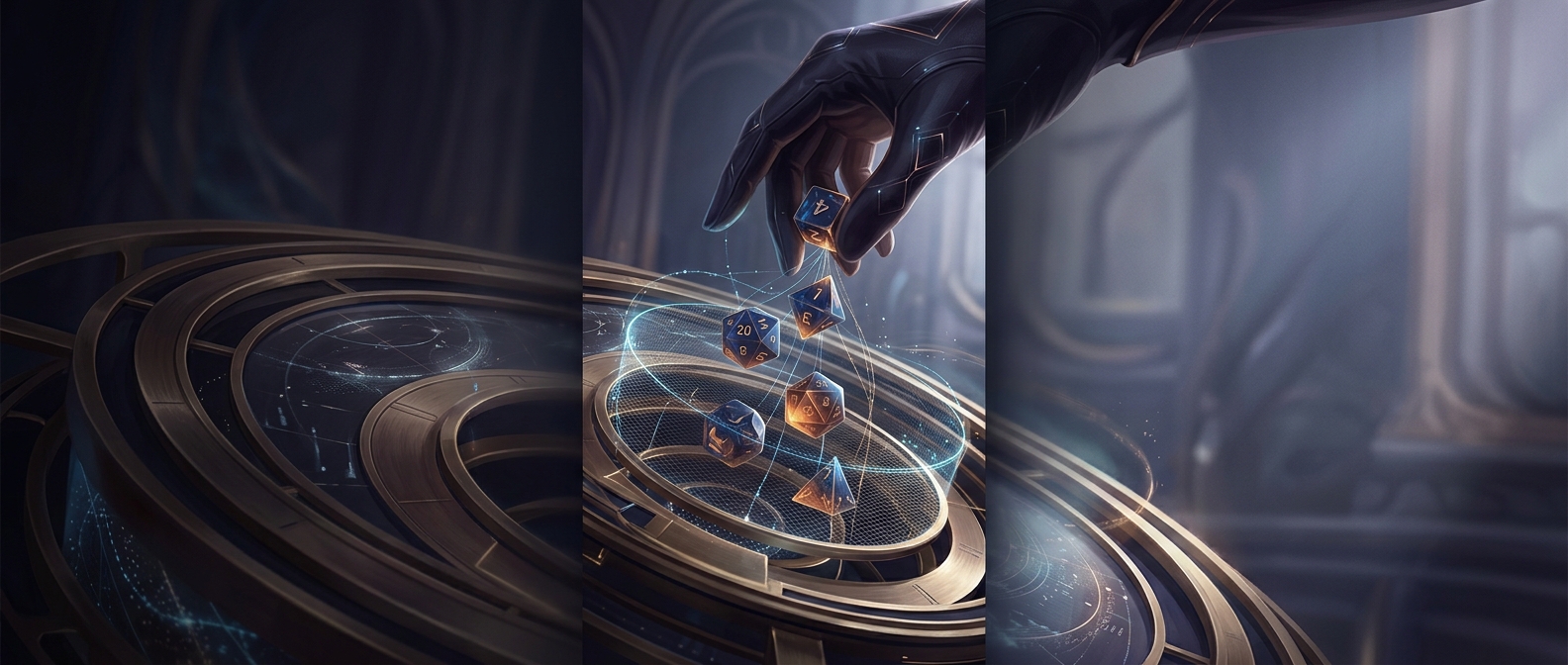
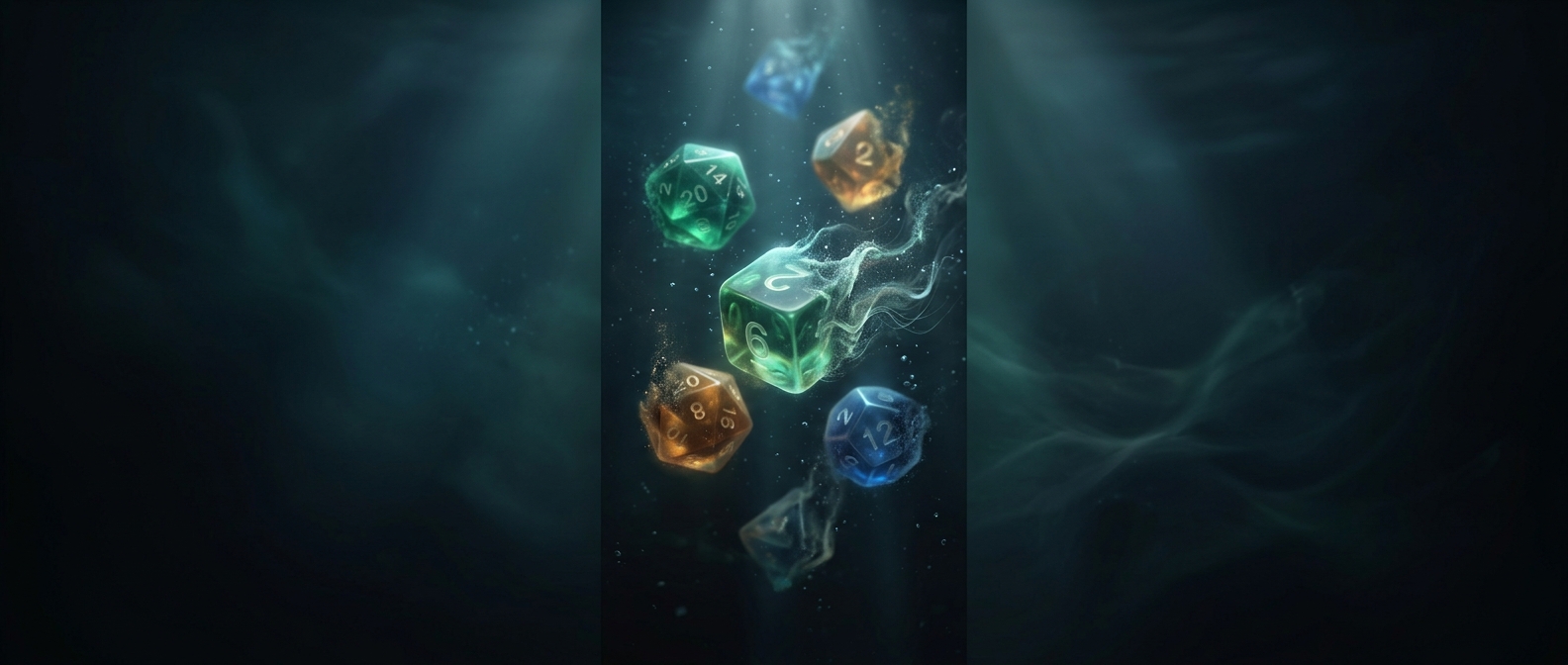
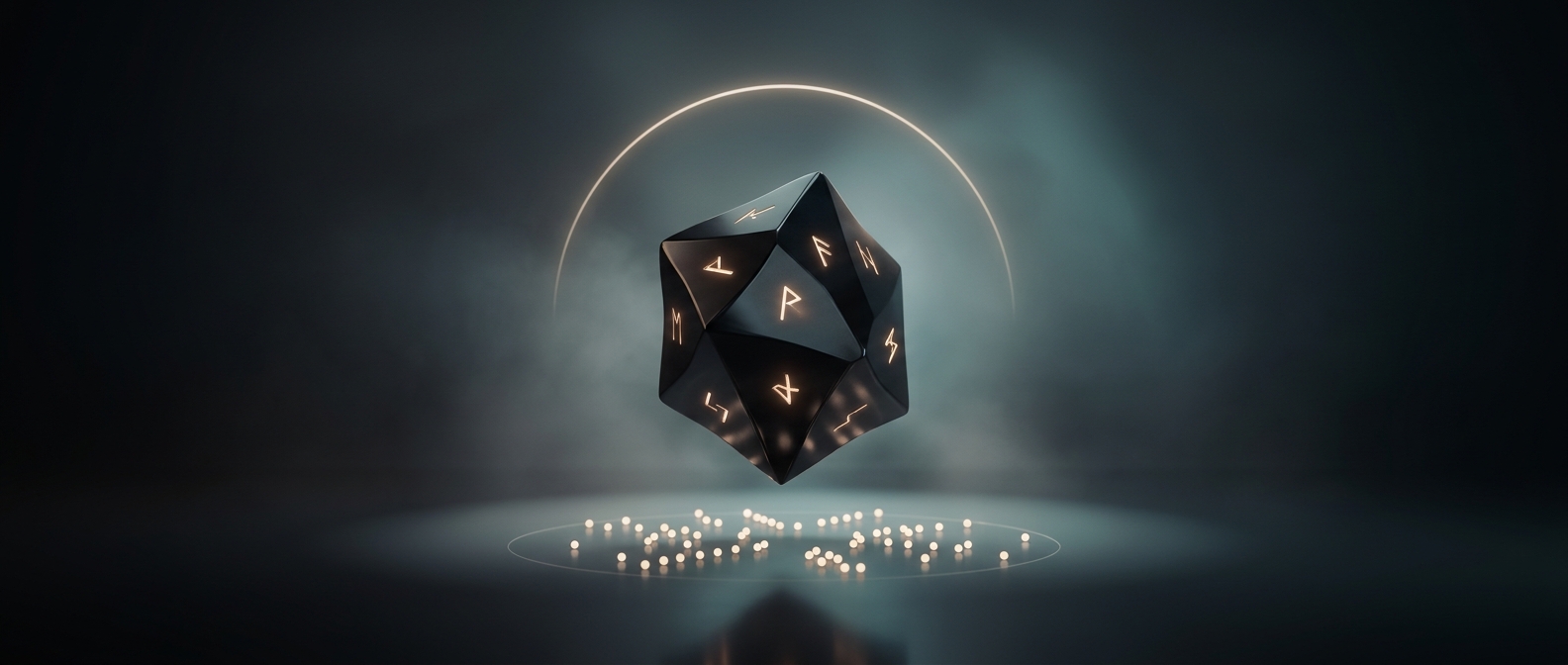
Many unusual dice achieve this through symmetry. A regular 20-sided die, for example, has triangular faces arranged so that no number gets a built-in geometric advantage. Other shapes may have faces that look different at first glance while repeating the same arrangement around the die. In a well-balanced design, tipping or rolling the die should not consistently favor one resting position.
Shape Is Only Part of the Equation
The die’s center of mass—the point where its weight balances—matters too. If that point is shifted toward one side, the die may settle with that side down more often, regardless of how elegant the outer shape looks. Designers therefore need to account for both the geometry and the distribution of material inside the die.
A face’s area alone does not determine its odds. The die’s edges and corners influence how it tumbles, and tiny differences in weight or finish can also affect its behavior. Fairness is about the chances of the whole rolling process ending on each face, not simply about making the visible faces look alike.
Fairness Has to Be Checked in Practice
A mathematically balanced shape provides a strong starting point, but manufacturing can introduce small imperfections. Designers can test batches by rolling them many times and checking whether particular numbers appear unusually often. That does not make every individual roll predictable; it helps reveal a persistent bias across many rolls.
So a bizarre die can be fair because its unfamiliar silhouette is carefully balanced. The useful question is not “Are all its faces squares?” but “Does the design give every face an equivalent chance to end up on top?”