Why a Few Words Can Produce a Finished-Looking Image
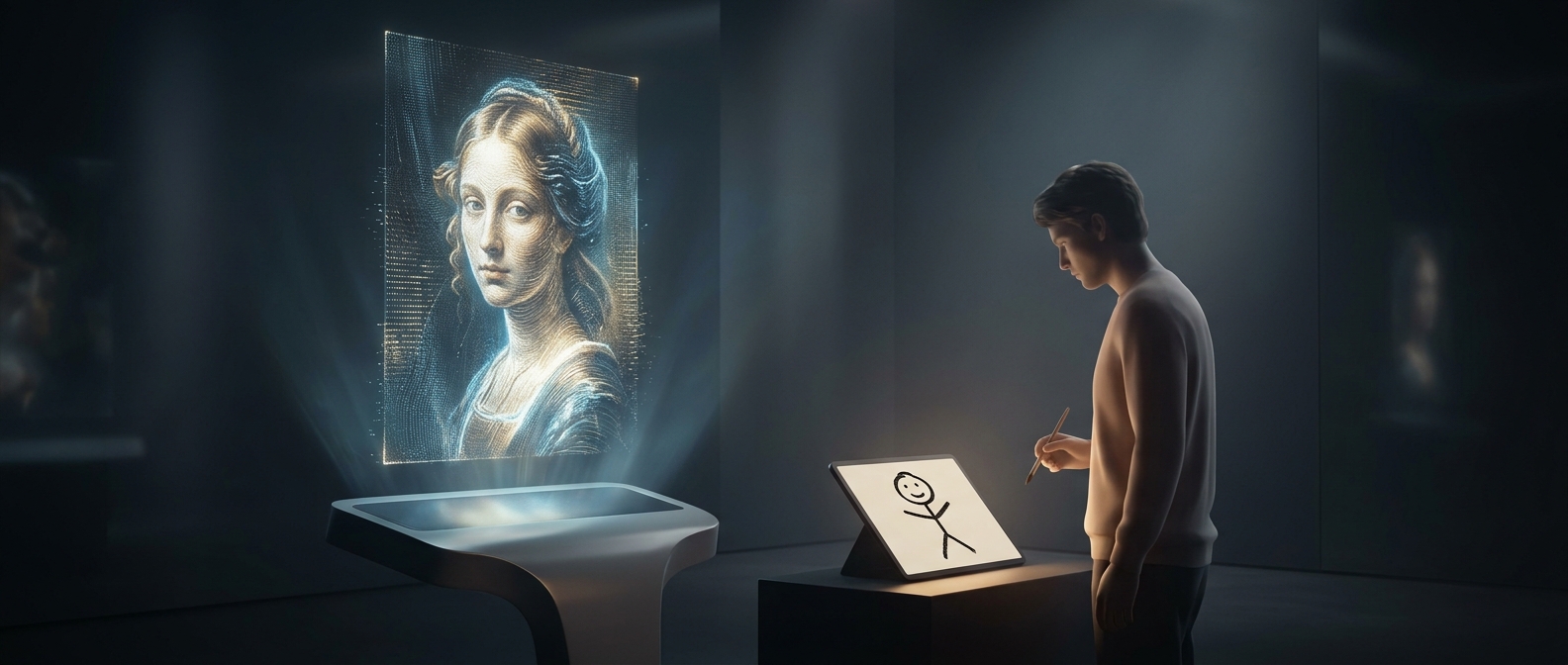
Many image generators work by turning a text description into an image through repeated adjustments. A model has learned visual patterns from large collections of images: how objects tend to be shaped, how light falls across a scene, and which arrangements look like portraits, landscapes, or illustrations. Guided by a prompt, it assembles those patterns into a new composition. The result can look polished because familiar visual conventions—balanced framing, smooth shading, consistent detail—are already built into what the model has learned.
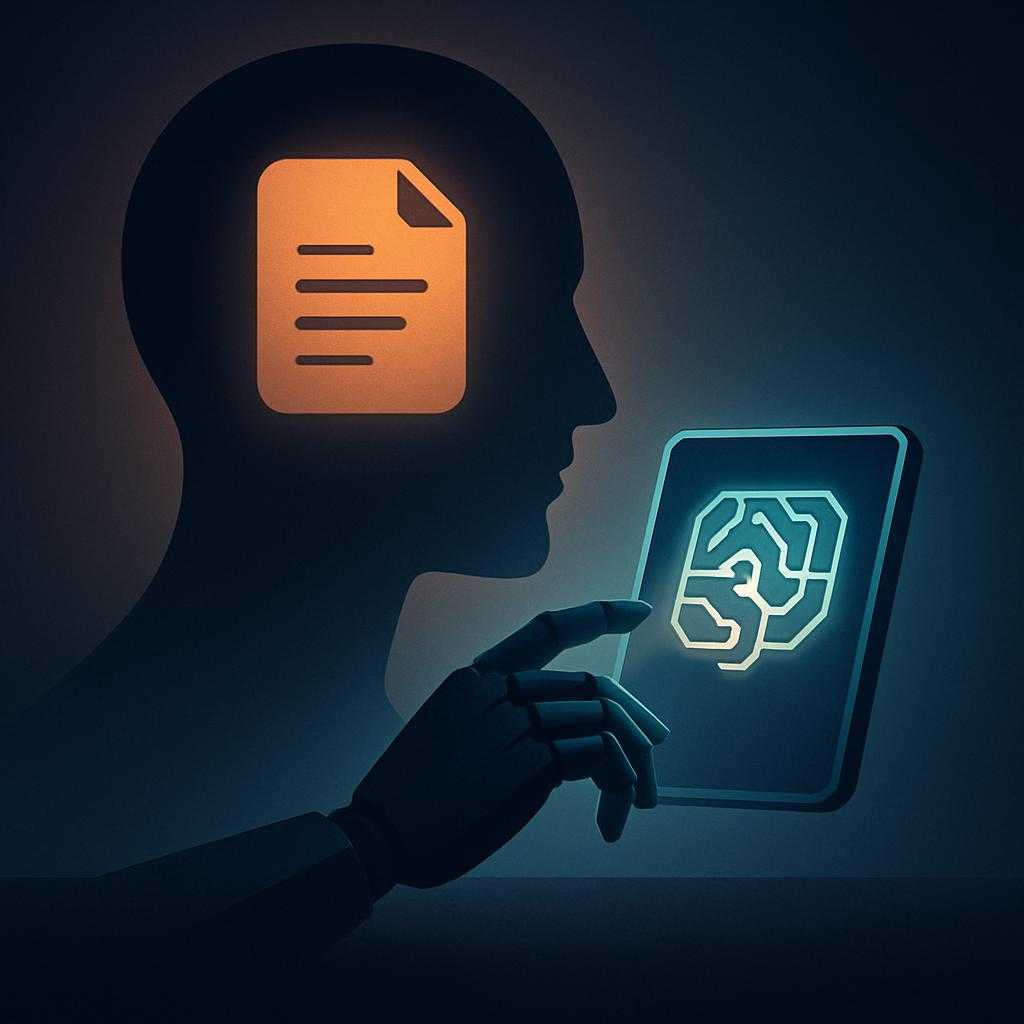
That polish is not the same as a person deciding what a picture should mean. The system responds to patterns in its input; it does not bring a lived memory or a private intention to the page.
What an Uneven Line Can Preserve
A hand-drawn picture records more than the objects its maker meant to depict. A hesitant contour may show where the pencil paused; an unexpected color or lopsided shape may reflect a choice made in the moment. Those marks can make the image feel attached to a particular person, even when the drawing is technically rough.
That is why refinement and personal expression are not identical goals. Smoothing every irregularity can make an image more conventionally finished while removing the very trace that makes it feel individual. A small, awkward detail may matter more to its maker—or to someone who recognizes it—than perfect perspective.
The Difference Is a Choice, Not a Contest
AI generation is useful when the aim is to explore visual possibilities quickly or produce a carefully rendered image without drawing every stroke by hand. Drawing by hand offers a different kind of control: each mark can carry the maker’s timing, habits, and decisions. In a mixed process, a person might use generated imagery as a starting point, then alter it with deliberate, imperfect marks.
The revealing question is not which image looks more skillful. It is whether the goal is a polished result, a personal record of making it, or some combination of the two.