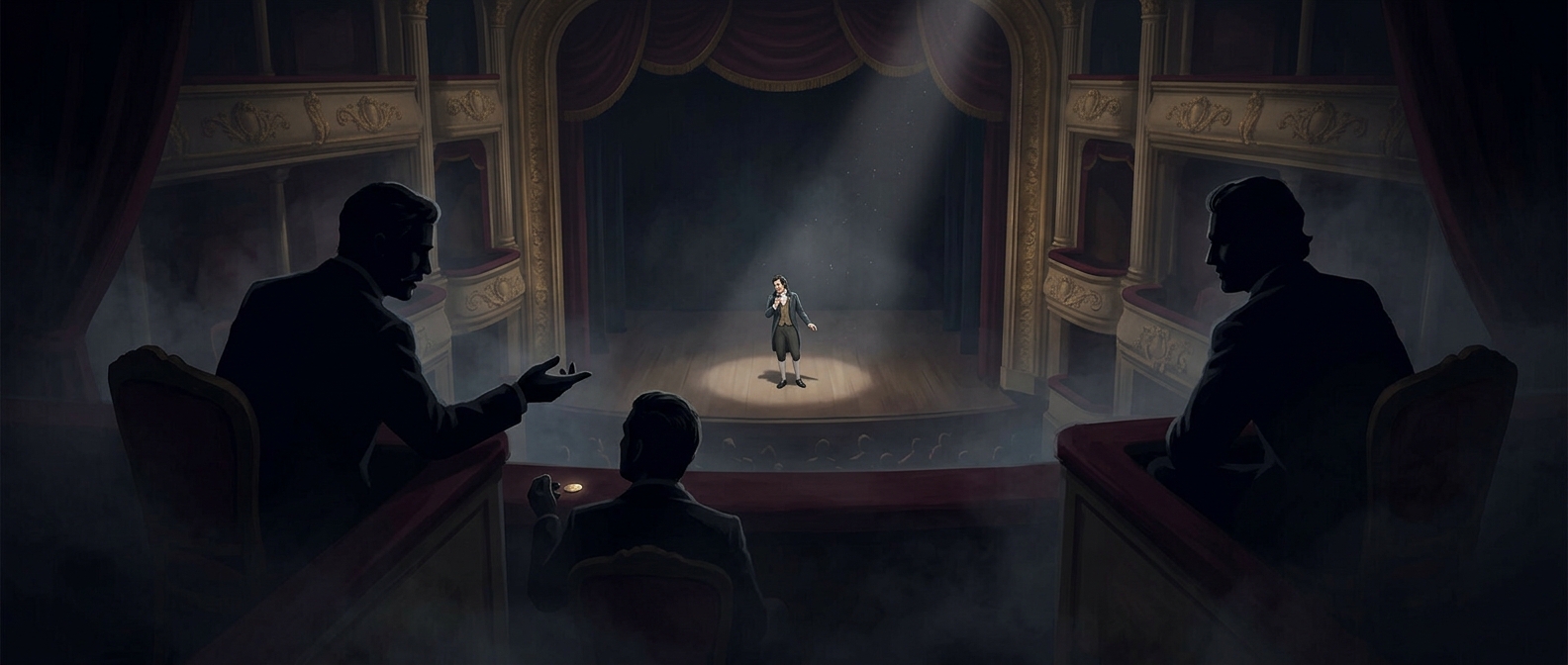
When Noise Became a Competitive Weapon
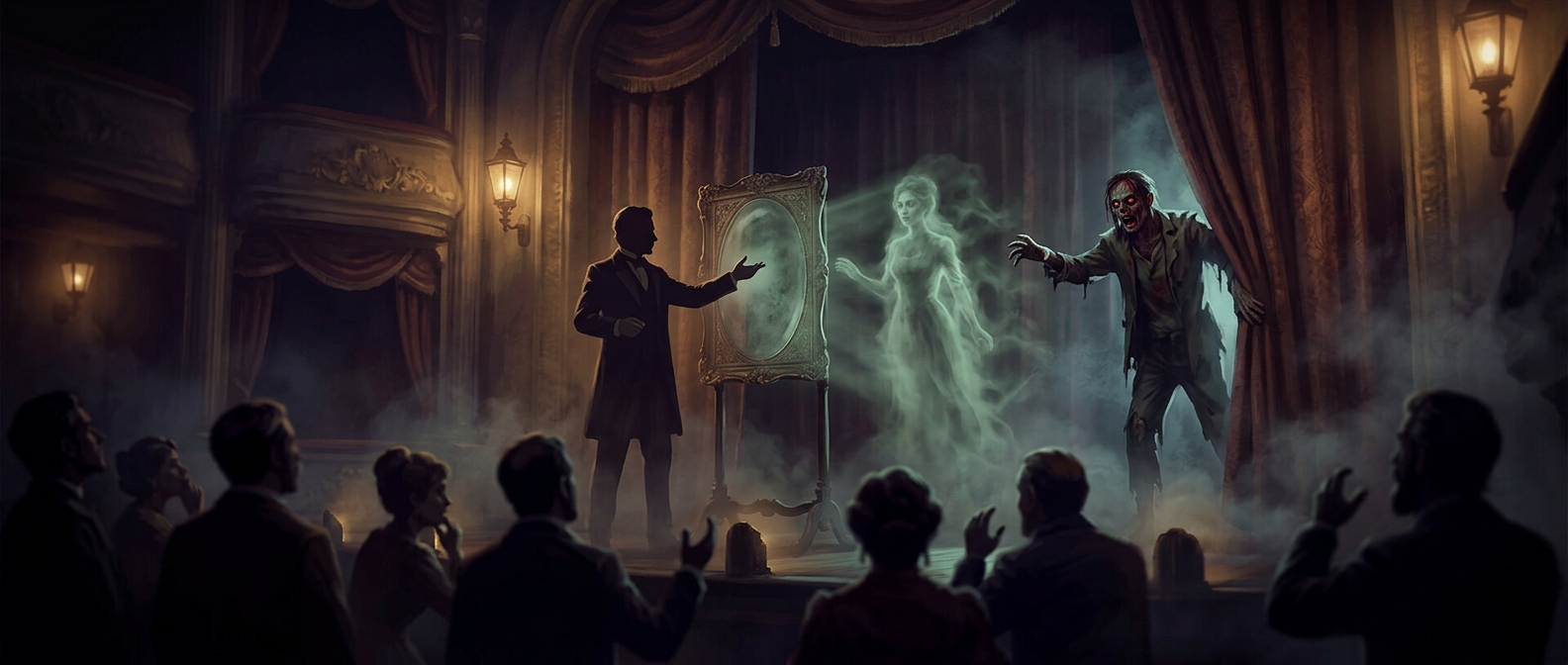
A live performance depends on more than what happens onstage: the audience has to be able to hear it and stay engaged. A hired heckler could attack that fragile connection by shouting over performers, provoking arguments, or drawing attention away from the act. The disruption did not have to stop a show entirely to make it feel unsuccessful; a restless, noisy room could undermine the performers’ timing and the audience’s enjoyment.
The Rivalry Behind the Interruption
For a competing venue, the point was not necessarily to improve its own entertainment. It was to make another venue’s offering seem less appealing. In that sense, a heckler functioned as a low-cost saboteur: instead of winning over customers with a better performance, a rival tried to spoil the experience elsewhere.
The tactic also relied on a limitation of live entertainment. A performer can pause, answer back, or try to win the crowd over, but each response gives the interruption more attention and consumes time. If the performer ignores it, the audience may still struggle to follow the act. The heckler’s leverage came from making the whole room react to one person.
That makes the story more than a colorful tale of bad manners. It shows how competition could reach beyond advertising or ticket prices and into the performance itself: sometimes the contest for an audience was fought by trying to keep the other show from being heard.