How a single Olympic course fixed the marathon distance
A marathon had no universally fixed length before the 20th century. The name recalled the ancient Greek story of a messenger running from Marathon to Athens, but it did not prescribe a measured modern racecourse. Organizers could choose a route that suited a particular event.
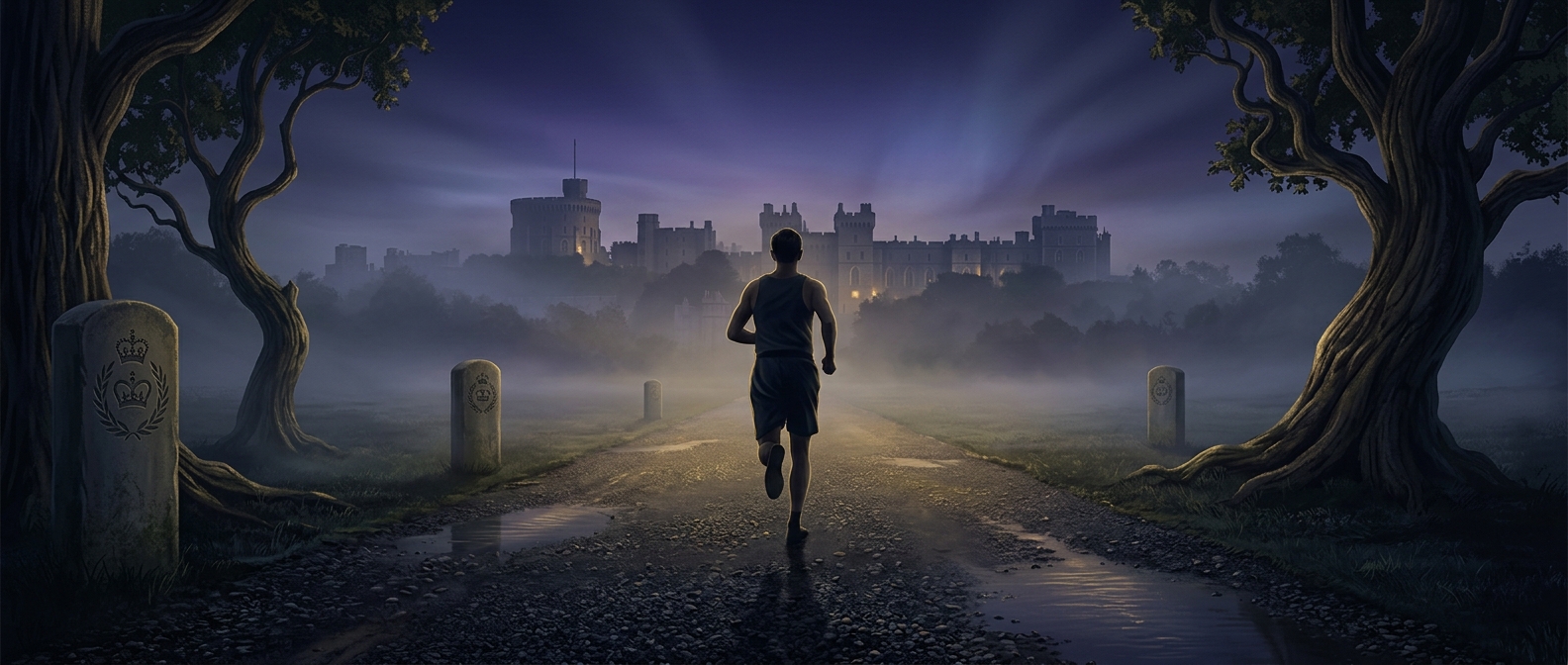
For the 1908 London Olympics, the course was laid out from Windsor to the stadium in White City. Its length reflected the practical choices of where runners would begin and where officials wanted them to finish—not a measurement inherited from antiquity. The result was 26 miles and 385 yards, a distance that converts to about 42.195 kilometers.
Why standardizing the distance mattered
Once the same length was adopted as the international standard in 1921, a marathon became a more consistent test. Runners in different places could train for and race over the same nominal distance, and performances could be compared without wondering whether one course was substantially longer than another.
That standard does not make every marathon course identical: hills, turns, weather, and surface still affect how difficult a race feels. But it gives the event a fixed measure. The modern marathon’s famously precise extra 385 yards are the remnant of one Olympic course’s layout, preserved because later races adopted its distance.