A ballet built to unsettle its audience
At its 1913 Paris premiere, The Rite of Spring broke with the graceful movement and familiar musical language many spectators expected from ballet. Composer Igor Stravinsky built the score from short, repeating patterns, abrupt accents, and dense chords that resist the smooth, predictable flow of conventional dance music. Choreographer Vaslav Nijinsky matched that sound with angular poses, heavy steps, and dancers turned inward rather than presenting themselves in polished, outward-facing lines.
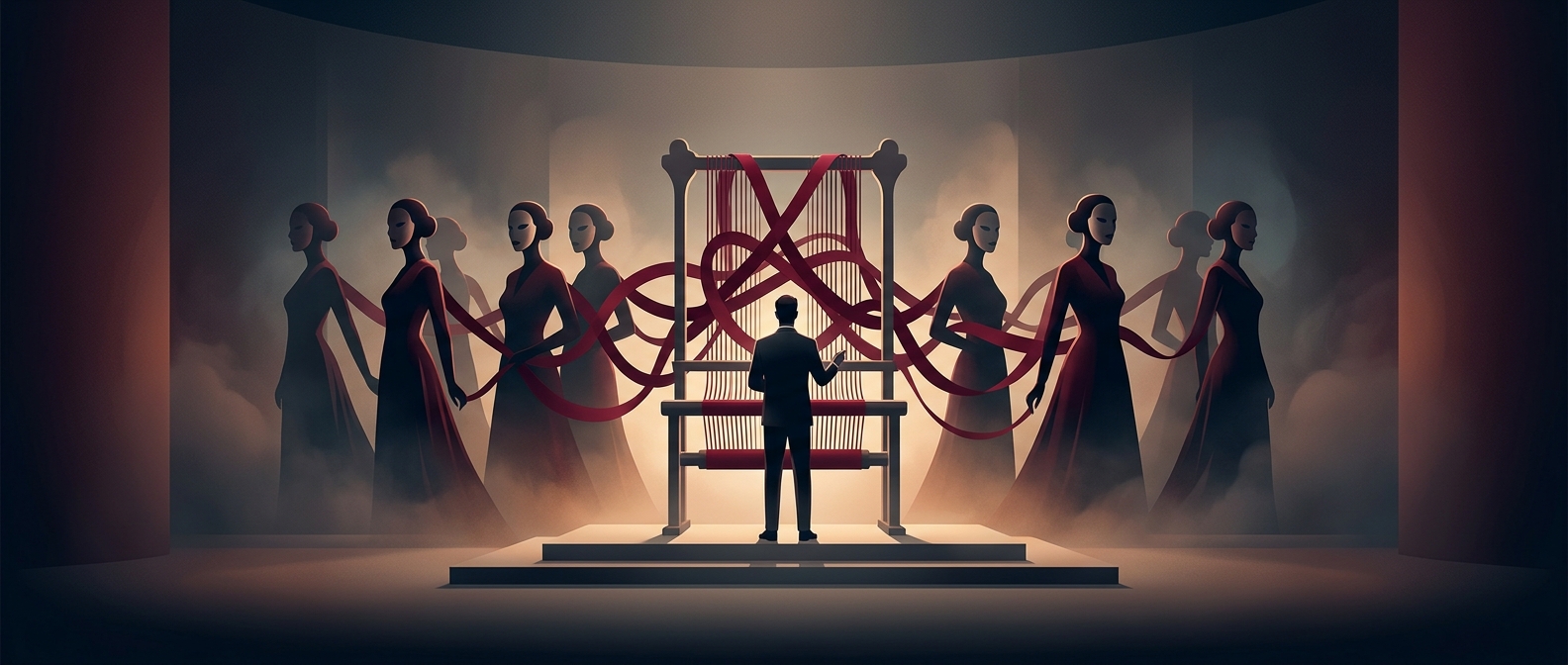
The production also centered on a stark ritual: a community chooses a young woman to dance herself to death as a sacrifice to spring. Instead of a romantic story with a clear hero, the ballet presented groups moving as if bound by collective custom. The subject and the unfamiliar movement made the work feel as challenging visually as it did musically.
When the theater became part of the performance
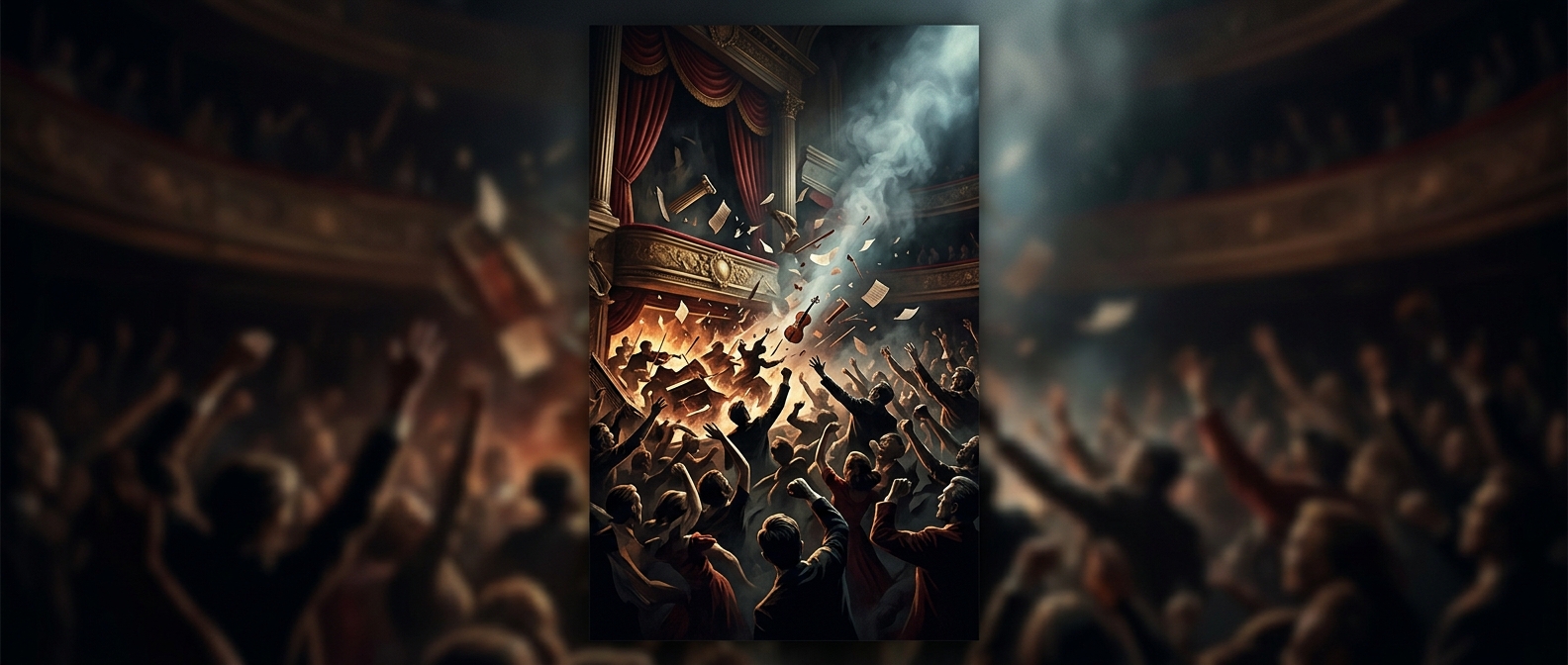
The clash was immediate. Spectators shouted and argued across the auditorium, and the noise grew so loud that it competed with the orchestra. Accounts of the evening describe a disturbance serious enough to disrupt the performance, with objects thrown toward the musicians. The dancers, meanwhile, struggled to keep time while hearing cues from Nijinsky backstage over the uproar.
The episode mattered because it exposed a divide over what ballet could be. Some viewers saw the work as an assault on artistic taste; others recognized a deliberate experiment in rhythm, movement, and theatrical form. Its premiere became famous not simply because audiences were shocked, but because the production made that shock inseparable from the experience: a ballet about a crowd’s ancient ritual arrived in a modern theater and provoked a real crowd of its own.