Why an Anvil Makes a Cartoon Impact Instantly Legible
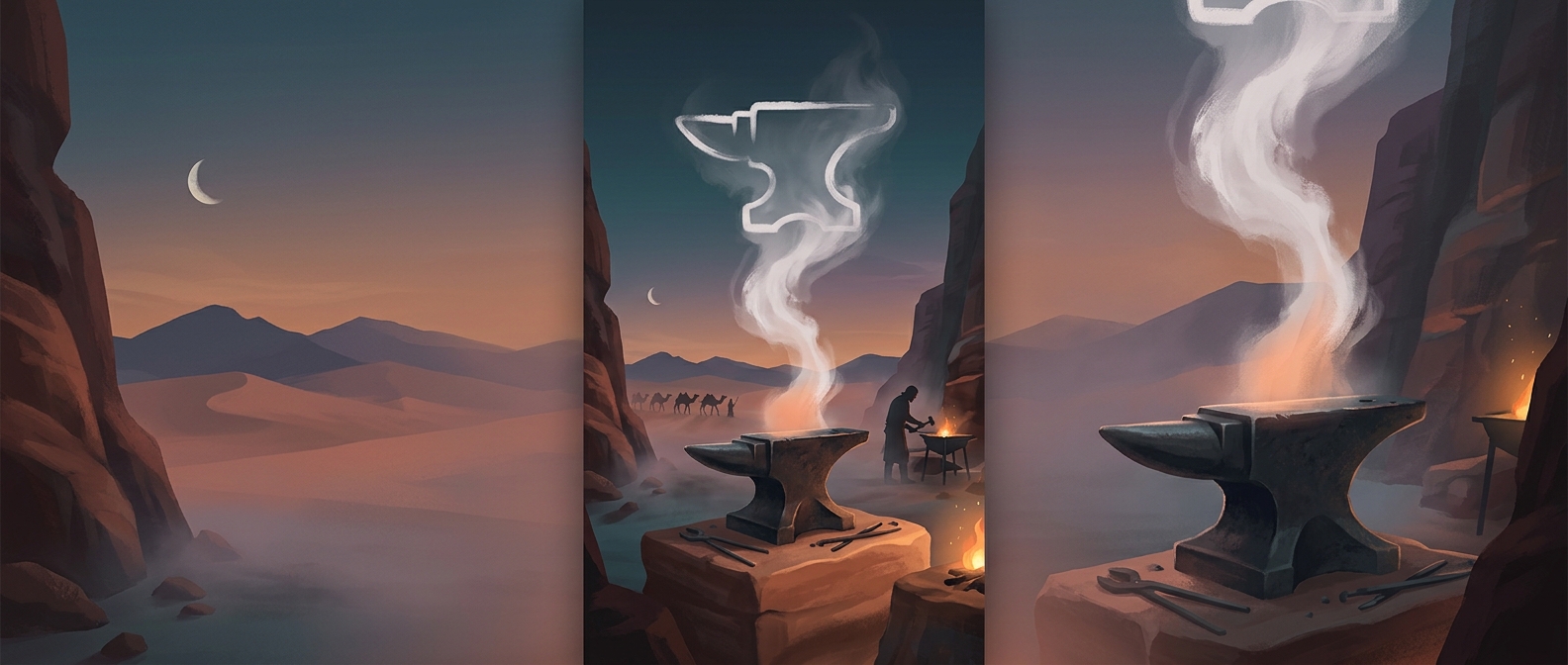
An anvil is more than a heavy object: its squat base and distinctive horn make it recognizable at a glance. That clarity matters in a fast-moving cartoon. The audience can see what is falling, understand the danger, and anticipate the collision before it happens.
The object also carries its own visual logic. An anvil looks solid and stubbornly immovable, so dropping one on a character turns an ordinary mishap into an extravagant mismatch: the victim is springy and expressive; the metal block is not. The shape remains readable even in a brief shot, while the exaggerated weight promises a spectacular result.
From Workshop Familiarity to Cartoon shorthand
The reported explanation points to rural workshops, where animators may have known anvils as familiar examples of exceptionally heavy tools. That familiarity offered a practical choice: instead of inventing an unfamiliar prop, a cartoonist could use an object viewers were likely to recognize as massive.
Animation could then stretch the collision beyond realism. A falling anvil can be held in view long enough to build suspense, then land with a flattened character or a ringing impact. Its real-world weight supplies the setup; the cartoon’s impossible recovery supplies the joke.