From school uniforms to cosmic guardians
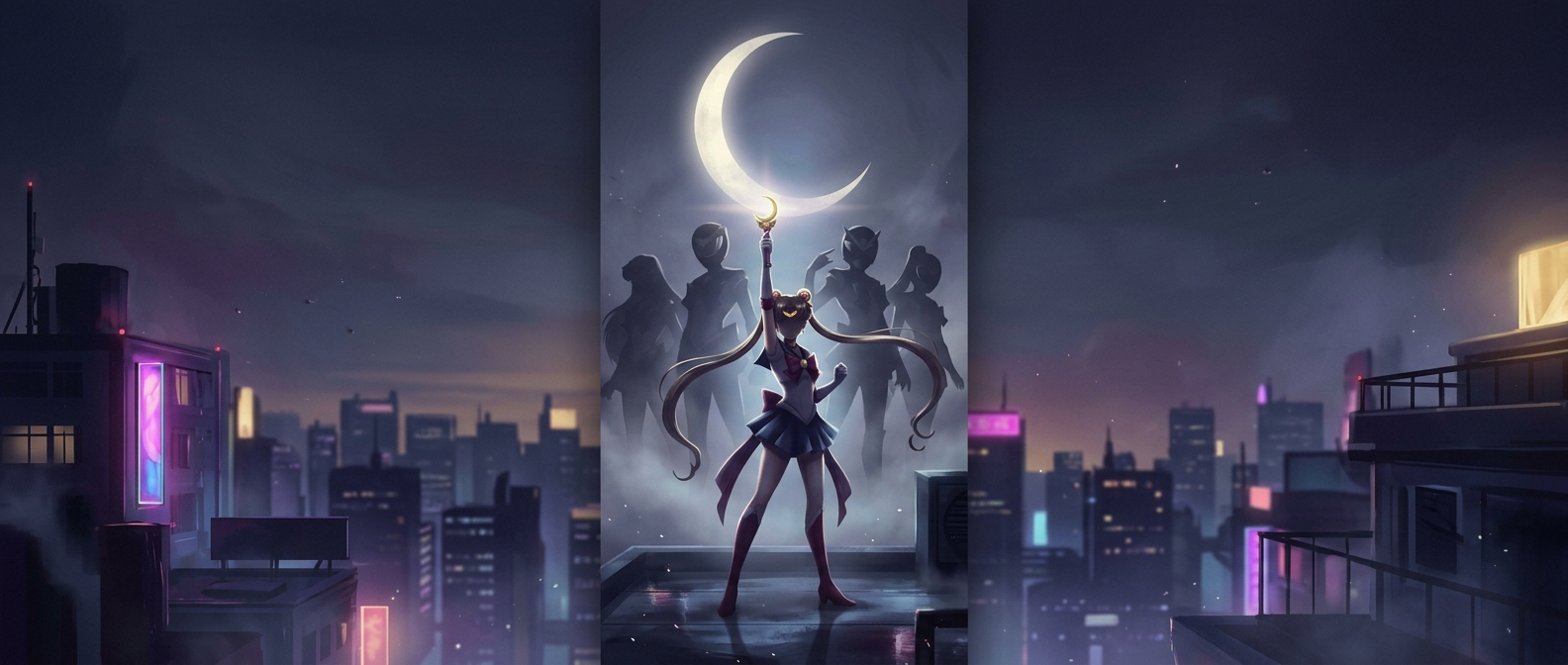
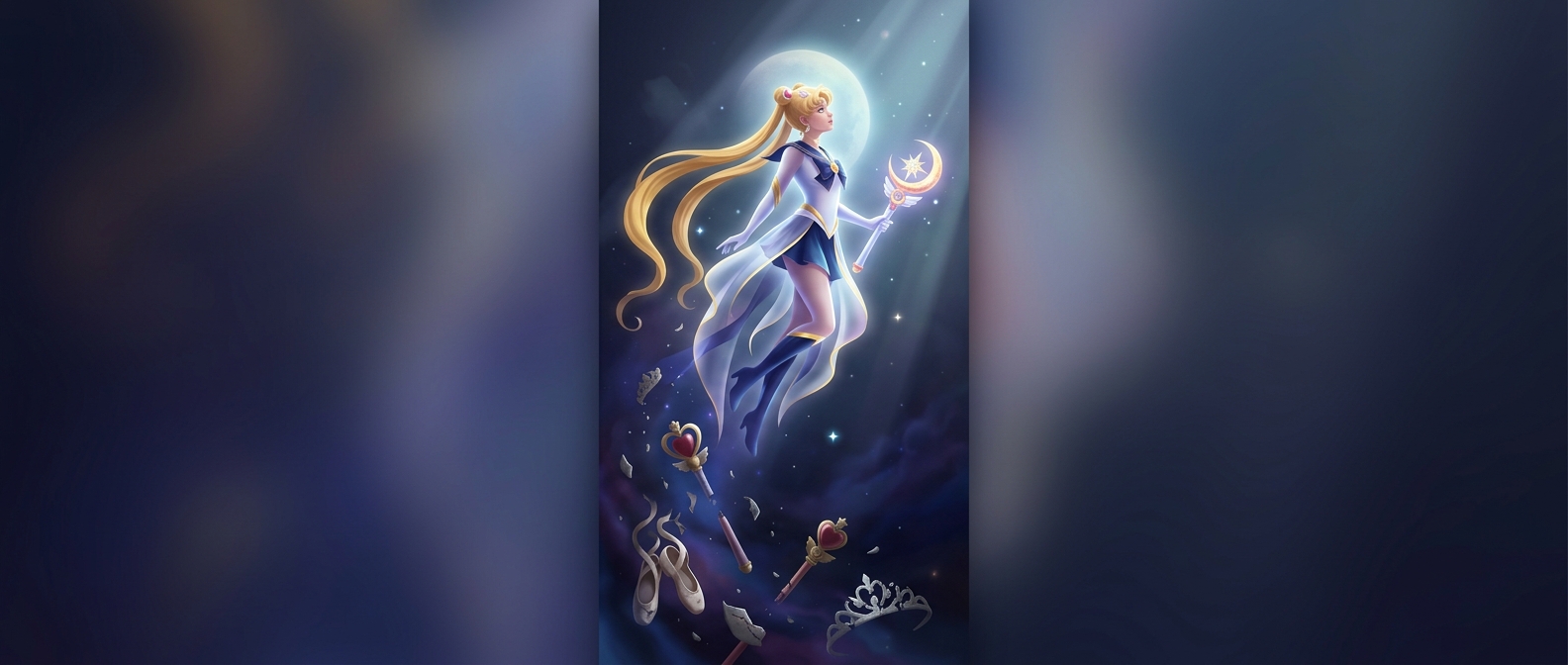
In Sailor Moon, the jump from teenage life to supernatural battle is built into the heroes’ identities. Usagi Tsukino and the other Sailor Guardians transform into fighters associated with planets, gaining powers suited to confronting threats far beyond ordinary human reach. Their transformation is not a solution to a household inconvenience; it is the moment an apparently ordinary girl becomes responsible for defending the world.
That contrast gives the fantasy its shape. School, friendship, and crushes remain part of the characters’ lives, but those familiar concerns sit beside a conflict involving enemies from other realms. The cosmic danger makes the girls’ powers feel consequential, while their everyday lives make the responsibility personal rather than abstract.
Power works best as a team
The Guardians do not succeed simply because one heroine has the strongest magic. Each has a distinct identity and abilities, and their battles depend on cooperation as well as individual courage. The group turns the idea of a teenage heroine into something larger than a solitary chosen-one story: girls can share the work of facing danger, even when each brings different strengths.
That combination helped make the series’ central image so memorable: a young person who can still be a student and friend, yet also stand between her world and a threat from beyond it. The stakes are interdimensional, but the people doing the fighting are teenagers—and the story treats both parts as essential.