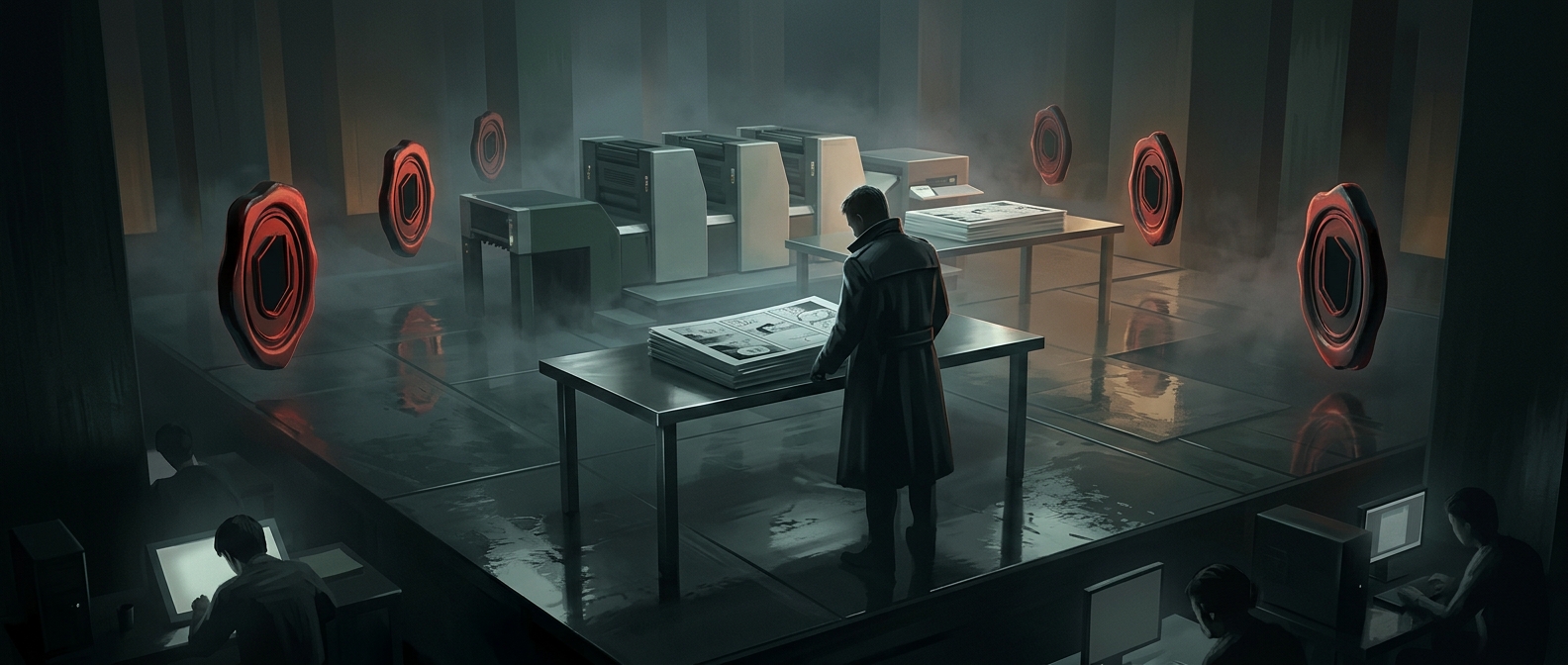
When a Fan Translation Gives Way to an Official One
A scanlation is a fan-made translation of a manga, often created by scanning the printed pages, replacing the Japanese text, and sharing the result online. Groups may work on a series years before an English publisher picks it up, filling a gap for readers who otherwise have no authorized version to buy.
Once an official edition is announced, some groups see that gap as closed—or about to close. Removing their scans is a way to direct interested readers toward the licensed release instead of keeping an unofficial version easy to find alongside it. In that sense, the fan translation has served as a bridge to a series, not a permanent alternative to purchasing it.
The Handoff Is Also a Practical Choice
An official license changes the circumstances around a project. The publisher may be preparing a translation, print run, or digital release, while the fan group’s version remains freely available and may compete for readers’ attention. Taking it down can reduce that overlap and avoid putting the group’s work in direct conflict with the commercial edition.
It also changes what readers can expect. A licensed release is produced and distributed through an authorized channel; the group’s volunteer translation may stop being updated, even if its archive remains online. Removing old chapters can make the handoff clearer: readers who want the series can look for the edition intended for sale, rather than assuming the fan version is the final or complete one.
A Promotion That Disappears
The choice can leave a frustrating gap for readers, especially if the official edition has not yet reached the point they had read to, or is not available in their region. But for groups that take down their work, that inconvenience is part of the tradeoff: they give up the continuing reach of their own archive to support the release that can sustain the series commercially.
So an empty scanlation page may mark a handoff, not a loss of interest. The group’s most useful promotion is sometimes the version it stops offering.