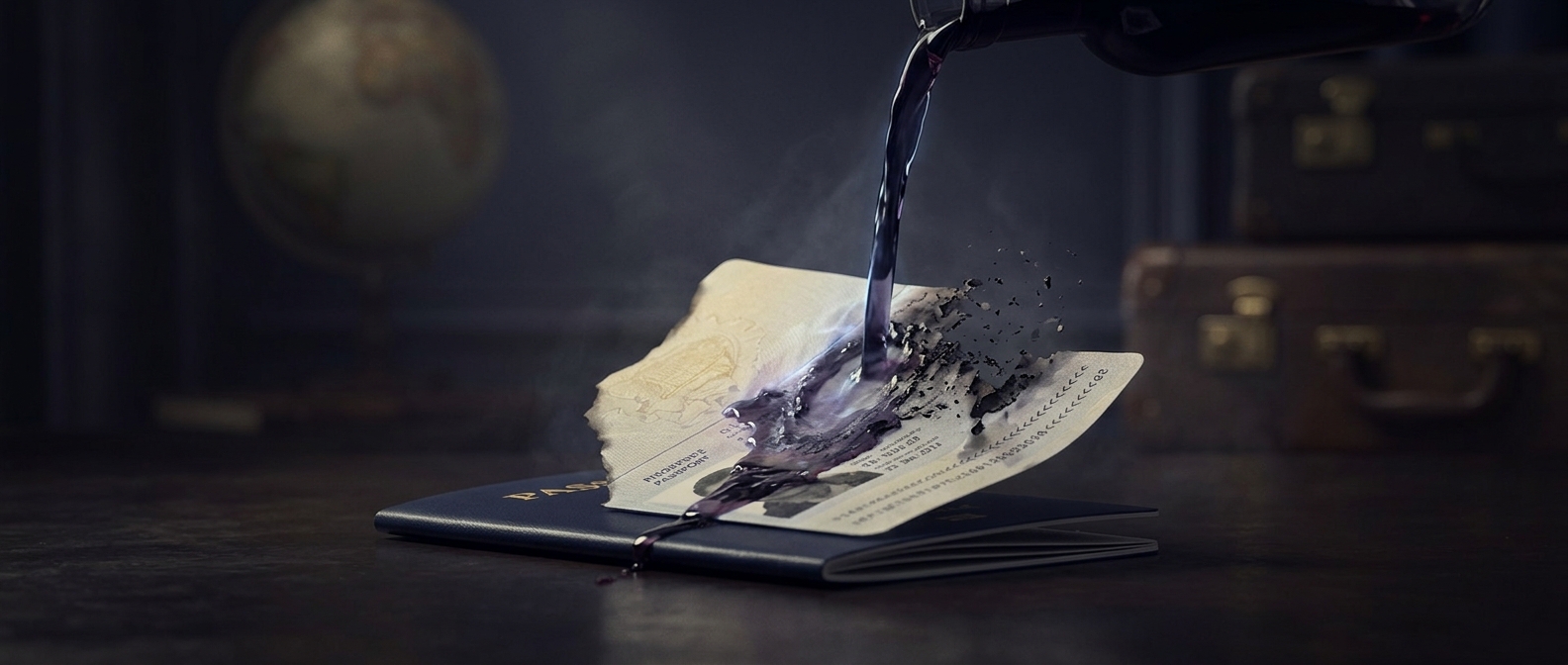
Why the Photo Page Is So Vulnerable
A passport’s photo page is more than a printed portrait. It carries the biographical details officers use to match the document to its holder, and in many passports it also contains an electronic chip. The page may be built from several bonded layers, with a protective surface over printed or embedded information. Liquid can seep into edges or seams, loosen those layers, and blur ink or interfere with the chip’s connections.
What Damage Means at a Checkpoint
Border checks depend on details staying legible and consistent: the portrait, name, passport number, and machine-readable lines near the bottom of the page. If a spill makes those details smudged, warped, or partly obscured, an officer or scanner may not be able to verify them reliably. A damaged chip can also prevent electronic checks from working as intended.
That does not mean every wet passport is automatically unusable. The concern is whether the document remains intact and its information can still be read and verified. A page that looks merely stained may still have damage beneath its surface, while a visibly swollen, peeling, or distorted page is a stronger warning sign.
Why Drying It Is Not a Repair
Wiping or pressing the page can spread ink, scratch the protective layer, or worsen peeling. Heat may warp laminated materials. Even after the passport dries, damage to printed security features or the chip cannot be reversed by drying it out.
If the photo page has been soaked or its details have changed, contact the passport authority before traveling rather than assuming it will pass inspection. At a checkpoint, the key issue is not how the damage happened but whether officials can trust the document’s identity information and security features.