A punishment aimed at the living
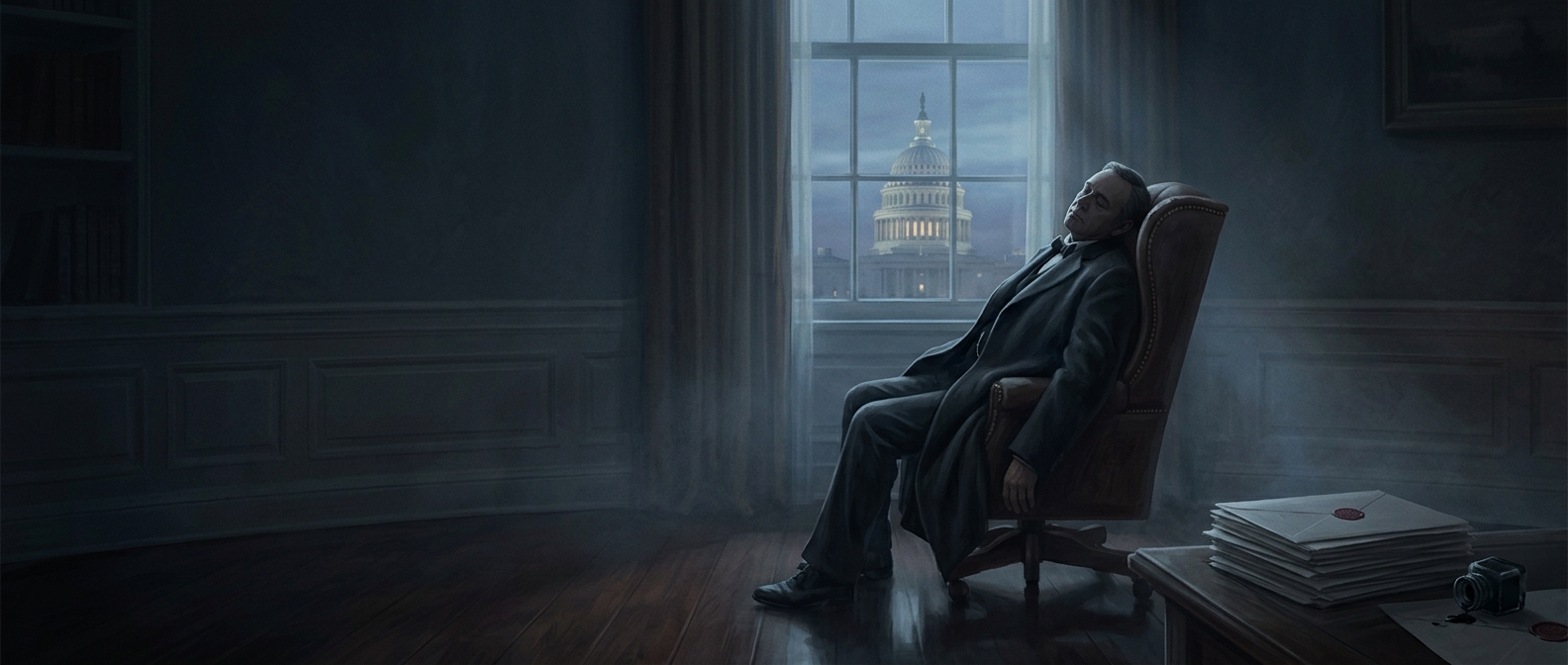
Oliver Cromwell had helped lead the overthrow of King Charles I and governed England as Lord Protector. When Charles II returned to the throne in 1660, the monarchy faced a political problem: how to make the king’s restoration look like more than a change of rulers. Punishing those associated with Charles I’s execution offered a public way to declare that the old regime’s actions had been illegitimate.
Cromwell had died in 1658, so he could not be tried or punished in person. In 1661, authorities ordered his body exhumed and staged a posthumous execution. The ritual treated the dead man as though he were still answerable for the king’s death—a spectacle directed as much at the audience as at the corpse.
What the display was meant to say
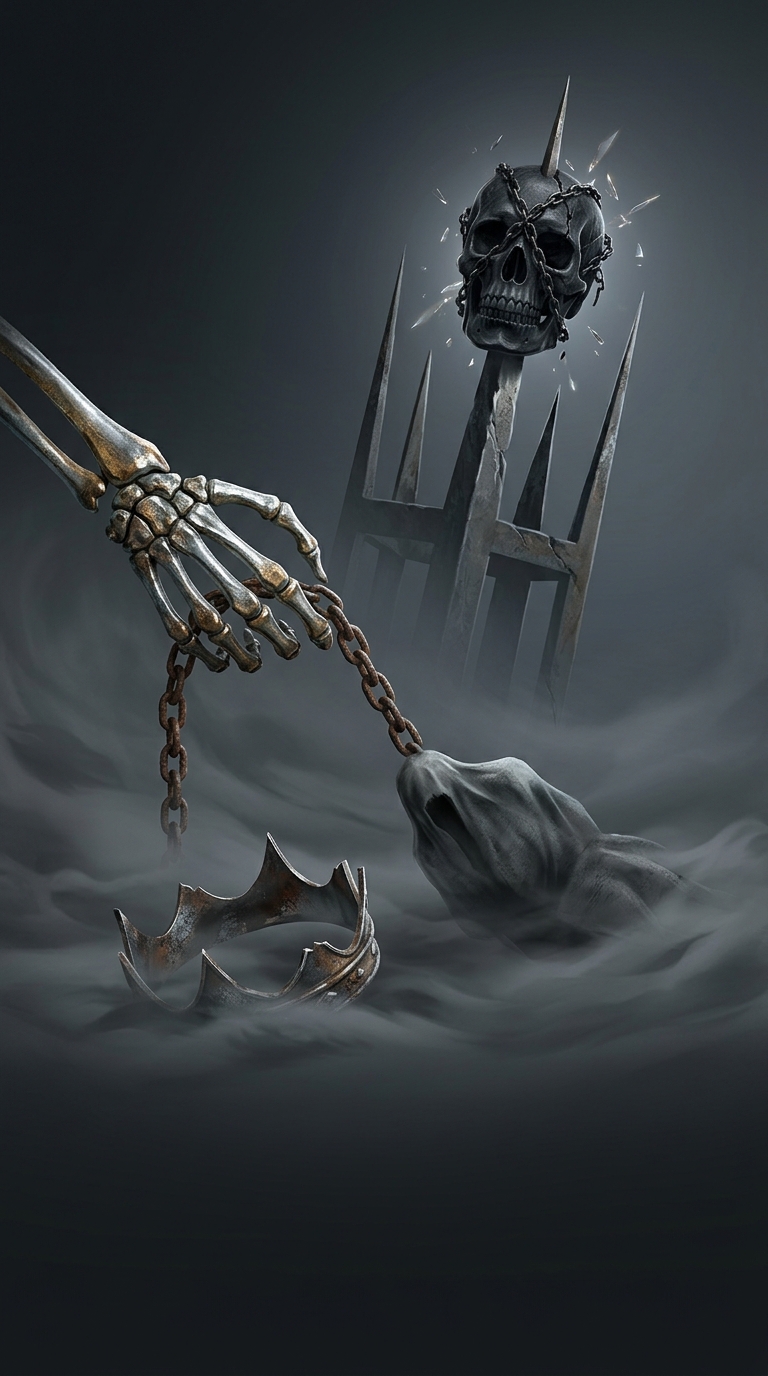
The authorities hanged and beheaded Cromwell’s remains at Tyburn, the usual site of public executions. His severed head was then displayed on a spike outside Westminster Hall, where Parliament met. The setting made the warning pointed: the man who had helped dismantle the monarchy was being publicly marked as a traitor at the center of parliamentary government.
The display endured for years, though accounts differ on exactly how long. It turned a political reversal into a visible, lasting statement of royal authority. Even after Cromwell’s body was gone, his head remained above the place where lawmakers gathered—a reminder that the Restoration was settling scores not only with its opponents, but with the memory of their rule.»}