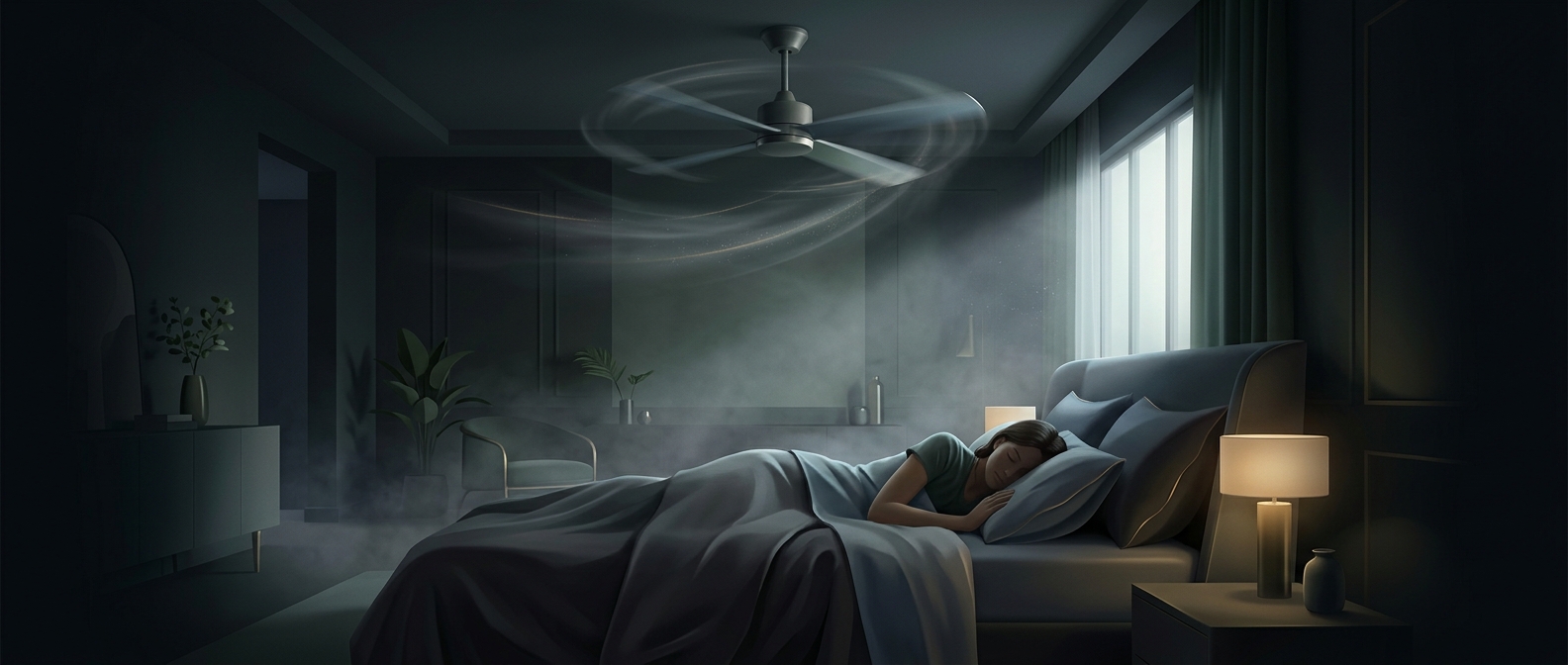
How shared air builds up
People release tiny respiratory particles when they breathe, talk, cough, or sing. Some can carry infectious viruses. In a crowded room, those particles accumulate when air is not removed or cleaned fast enough; people nearby may then inhale more of them, especially during a long visit.
Ventilation changes that buildup. Bringing in outdoor air dilutes particles already in a space, while exhausting indoor air carries some away. A filter can capture particles from air that passes through it. These measures reduce the amount of contaminated air people share; they do not make it sterile.
The system matters more than the setting
A vehicle’s air system may continually exchange or filter air, but performance depends on how it is operated, how much air it moves, and how crowded the space is. A restaurant can likewise have effective ventilation, while a bus with a poorly maintained or limited system may not. Airflow patterns also matter: a strong current that moves air from one person toward another is not the same as evenly diluting it.
Ventilation is only one part of exposure. Distance, time indoors, crowding, and how much people are talking all affect how many particles someone may breathe in. The practical comparison is therefore not simply “bus versus restaurant,” but how quickly each space removes or cleans shared air while people are in it. A short ride in well-managed air can mean less accumulated exposure than a long meal in a stagnant room, even though the bus is enclosed.