A continent-sized journey on one island-continent
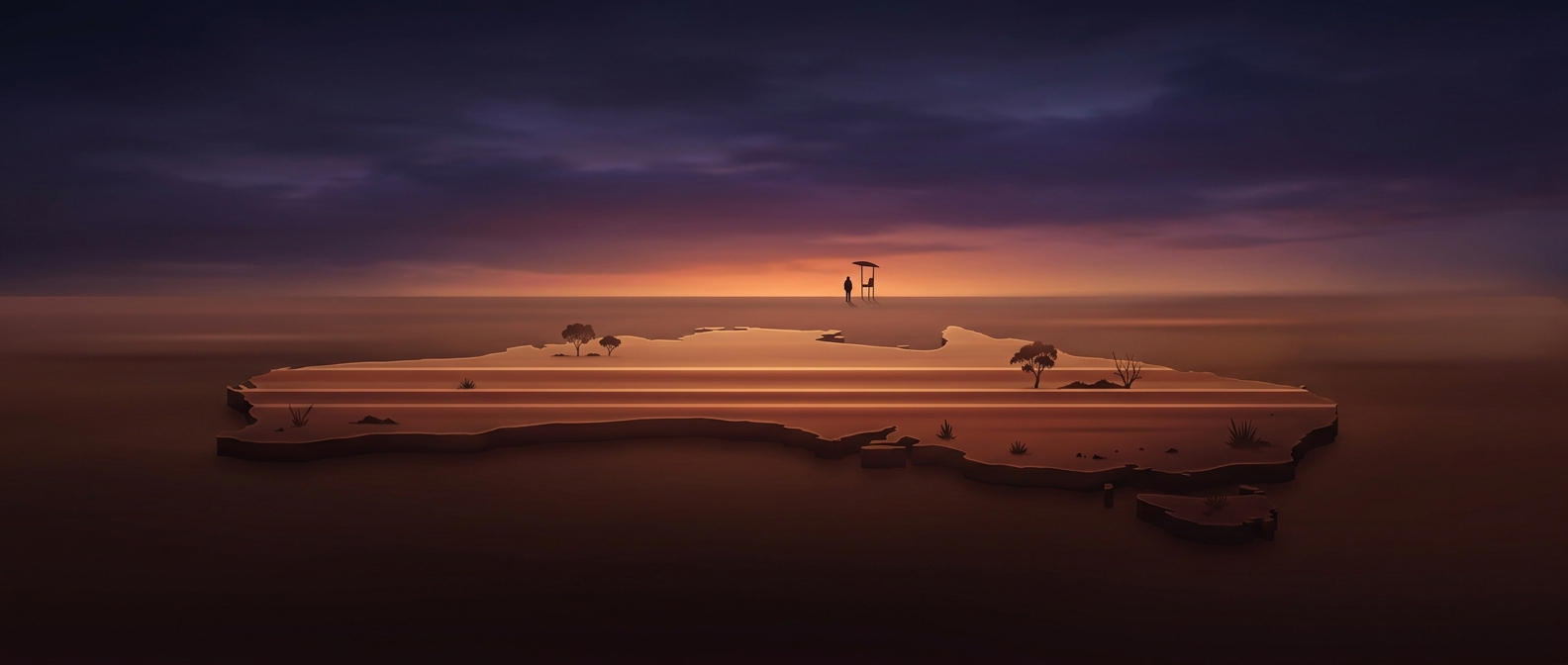
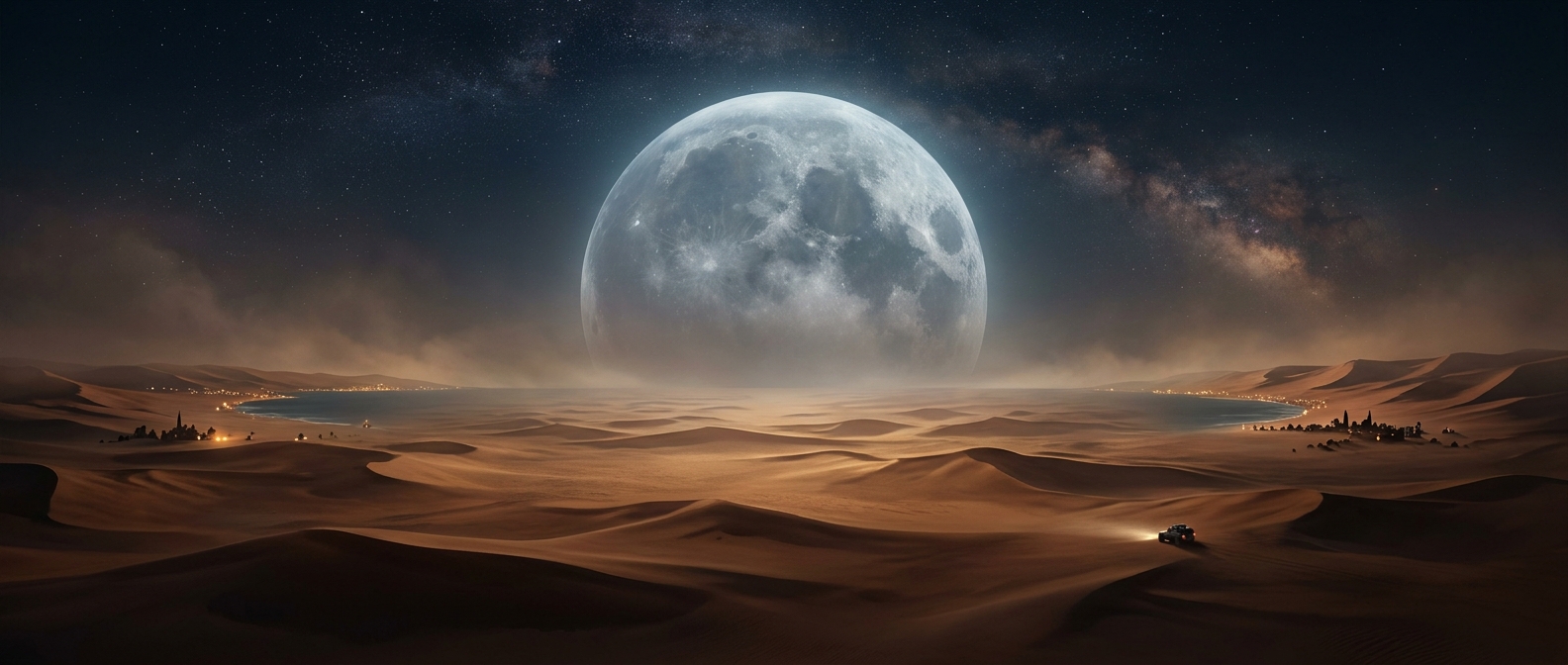
The comparison is a reminder that Australia is not merely a large country on a map: crossing it means moving through a span comparable to the width of a small world. The figures describe different kinds of distance, though. Australia’s coast-to-coast measurement is a horizontal reach across land; the Moon’s diameter is measured through the center of a sphere. They are useful for scale, not identical measurements.
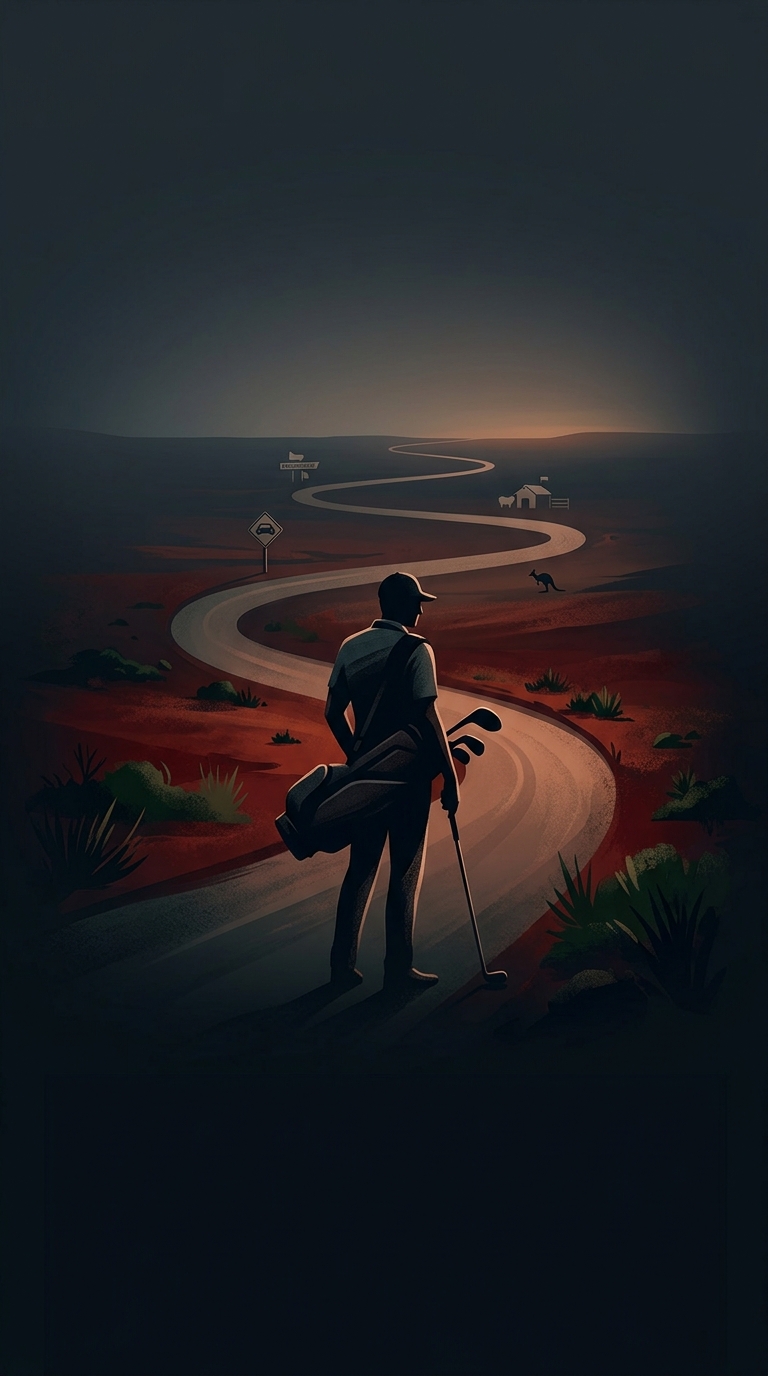
That scale changes how travel works. A route across Australia is not a quick transfer between neighboring regions. It can pass through long stretches where towns and services are far apart, so the practical experience of distance depends not just on kilometers but on where people, roads, and supplies are concentrated.
Why the interior feels even larger
Australia’s interior is not empty because it lacks size; much of it is difficult to settle densely. Limited water and harsh conditions make sustained settlement more challenging, helping concentrate population and infrastructure in more favorable areas. As a result, a traveler can move a long way across the map while encountering relatively few settled places.
The striking implication is that Australia’s width is both a geographic measurement and a human one: the same vast distances that make the country easy to compare with the Moon also shape how far people must travel between communities.