The postcard is a souvenir before it is a message
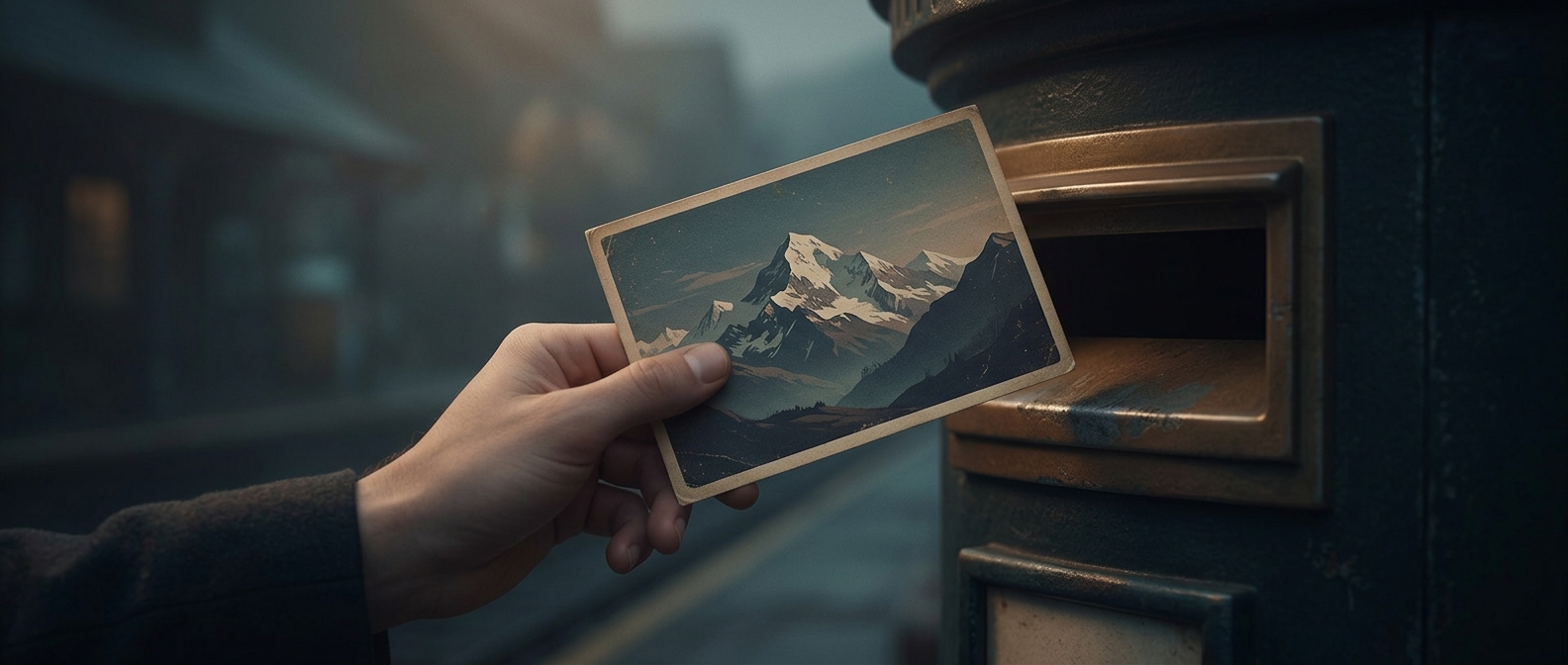
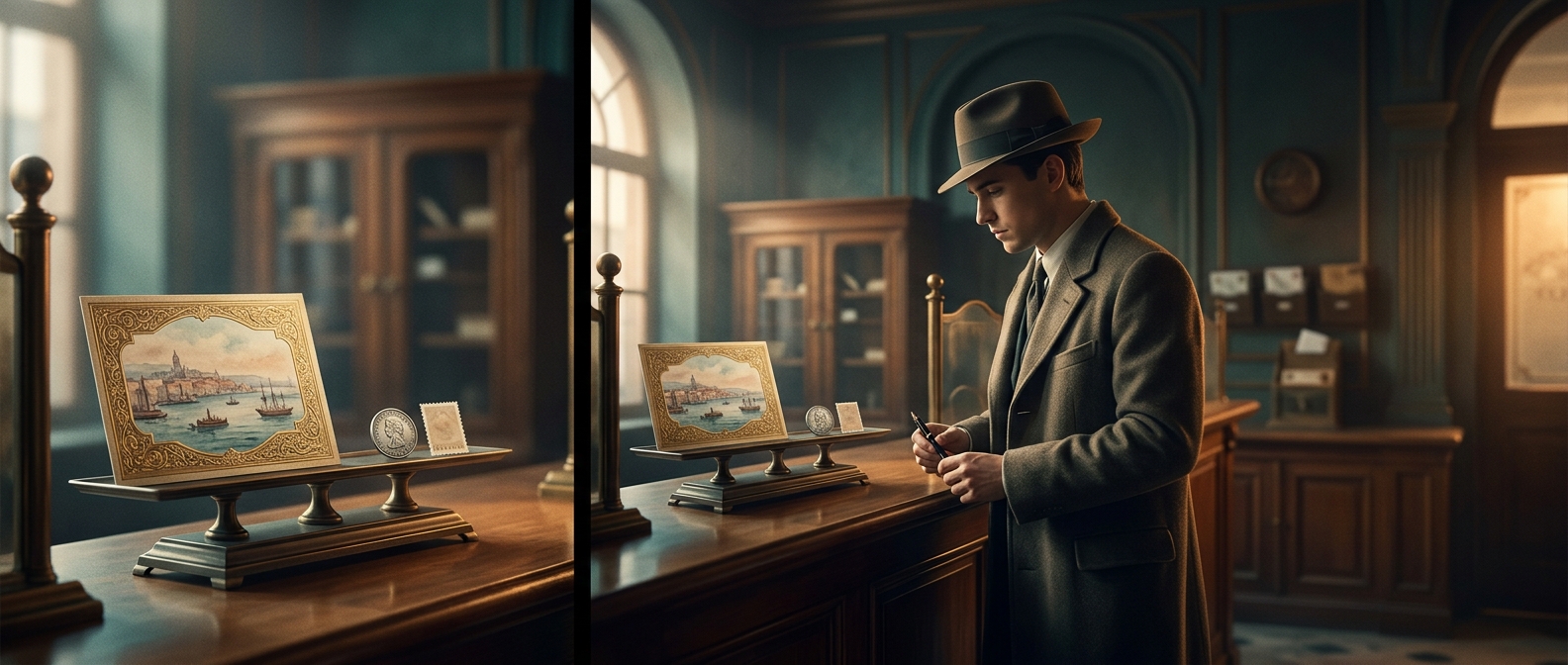
Choosing a postcard can feel like sending a small piece of a trip: a landmark, a beach, or a street scene made portable. The buyer may picture a particular person receiving it, but the card also works immediately as a keepsake. It lets someone bring home an image that feels more tied to the place than a generic souvenir does.
That means the purchase can satisfy part of the impulse before any note is written. The card has been found, chosen, and mentally assigned to someone. What remains is a chain of less enjoyable tasks: finding an address, writing something personal, getting postage, and locating a mailbox. Each step asks for attention, often after the traveler has moved on to the next stop—or returned home.
A plan competes with the trip itself
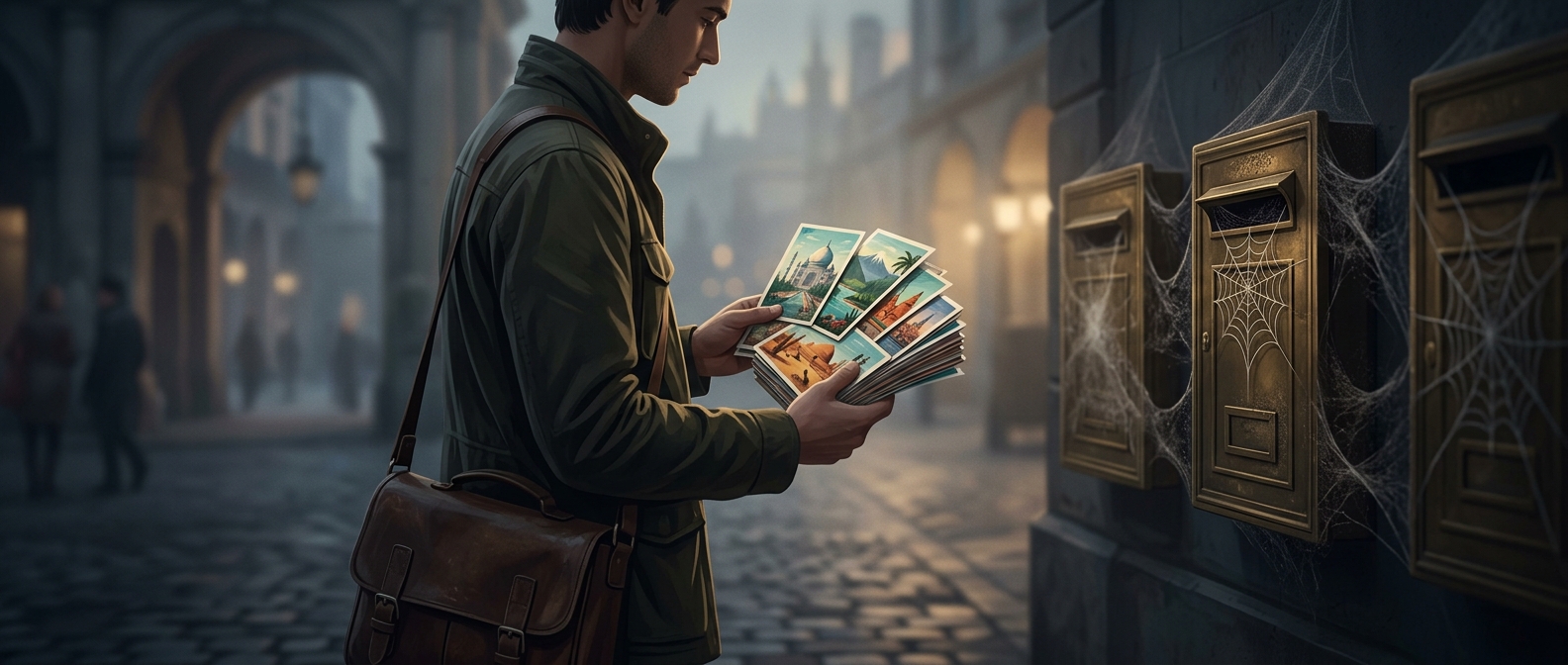
Postcards are usually bought in moments of leisure, while the intention to mail them has to survive later interruptions. A blank card tucked into a bag is easy to postpone; a stamp and a mailbox are not always at hand. Once the trip is over, the card may feel less urgent, even though the recipient was part of the original plan.
The drawer is where those two purposes meet. The card never becomes the message its buyer imagined, but it still preserves a particular view of the trip—and the memory of wanting to share it. That is why an unsent postcard can feel less like a failed errand than a tiny souvenir of an intention.