The Picture Could Cost More Than the Journey
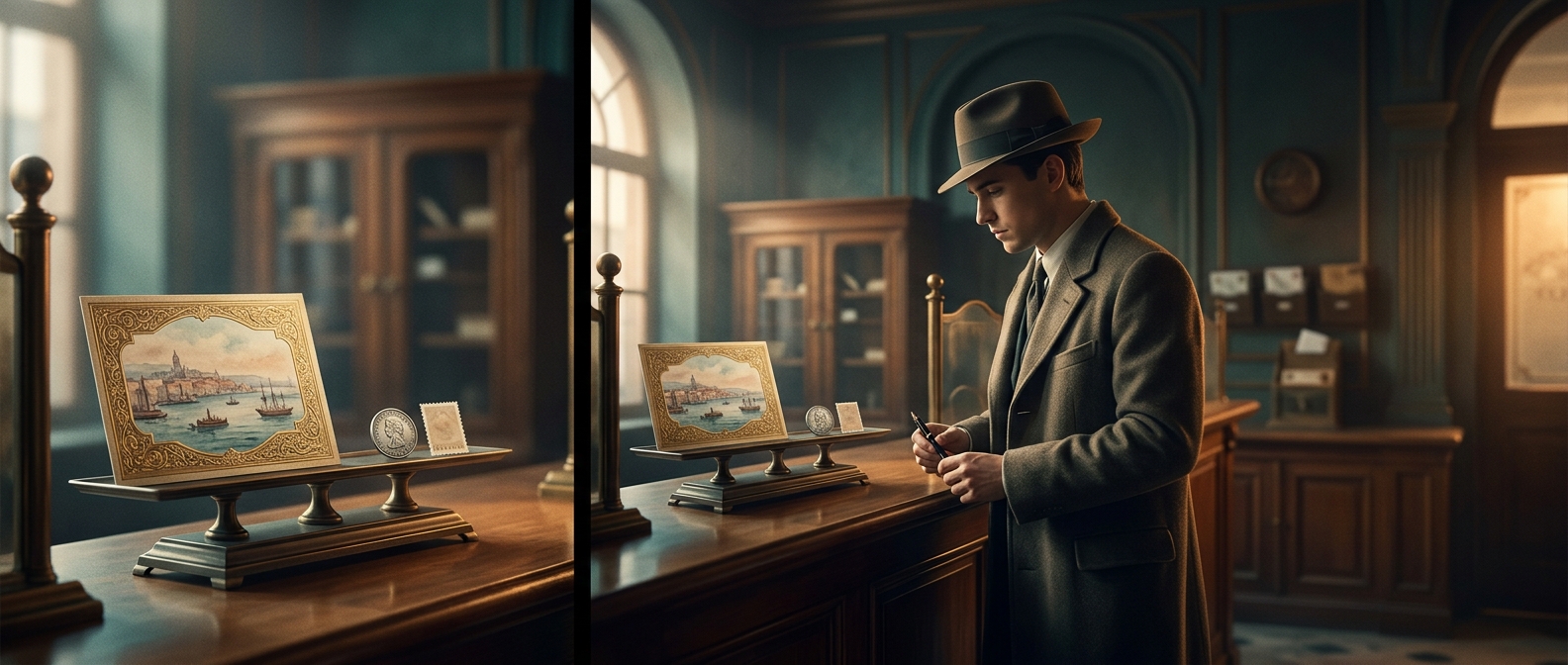
A postcard’s price covered two different things: the card as a souvenir and the service of carrying it. The stamp paid for the mail; the price at a shop or stand also reflected printing the image, getting cards to sellers, and the seller’s markup. A view of a famous landmark could therefore cost more than sending that view across the country.
The contrast was especially striking because postage was easy to understand: one small stamp could move a message a long distance. The card itself was a physical keepsake, chosen for its picture and connection to a place. Its price depended on where it was sold and what image it showed, not simply on how far the message would travel.
Buying a Small Piece of a Place
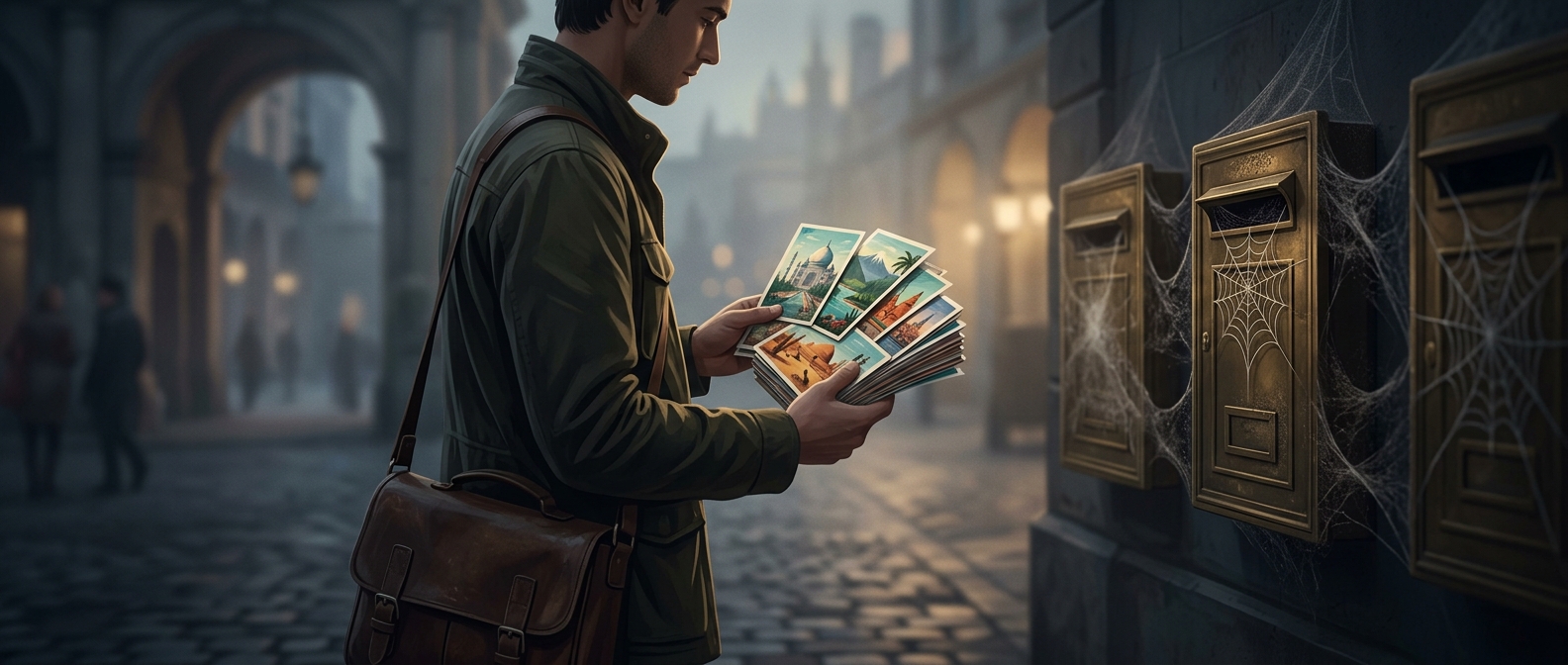
That difference helps explain why postcards were more than cheap mail. Travelers selected a scene that represented where they had been, then sent it to someone who could not see the place firsthand. The image did much of the work: it turned a brief visit into something recognizable and portable.
So the surprising comparison is also a small lesson in what the buyer valued. The stamp paid to send the card; the extra cost bought the place pictured on it.