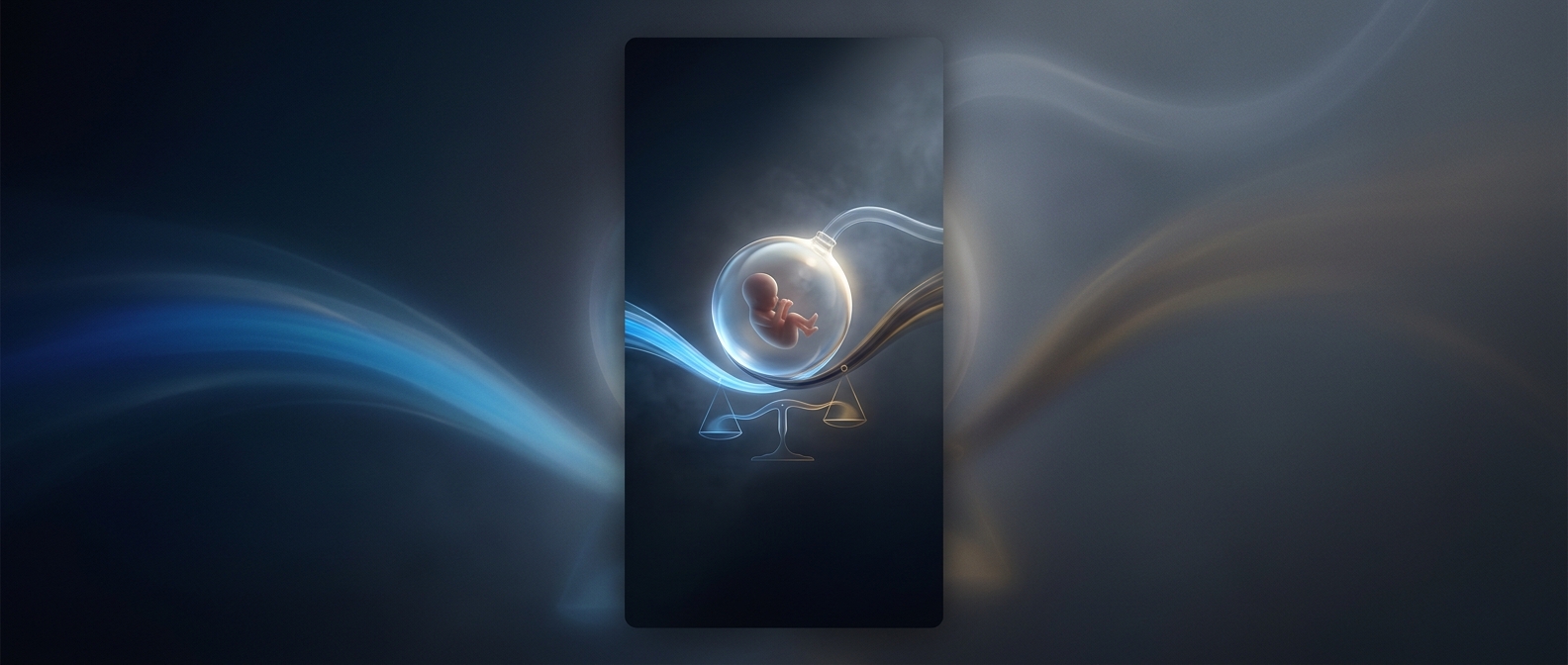
Why newborn jaundice is treated with light
Jaundice gives a newborn’s skin and eyes a yellow tint when bilirubin, a waste product made as red blood cells break down, accumulates in the blood. A newborn’s liver may not yet clear it quickly enough. At high levels, bilirubin can harm the brain, so clinicians monitor it and may use phototherapy—treatment with carefully chosen light—to lower it.
Light changes what the body can remove
Bilirubin normally has a shape that makes it difficult to dissolve in water. When it absorbs blue light, its molecules change shape. Some become forms that can leave the body in urine or stool without first being processed by the liver in the usual way. That gives the newborn an additional route for clearing bilirubin while the liver matures.
Treatment light can blur day and night
Phototherapy requires light to reach the baby’s skin, but the eyes are covered to protect the retinas. That does not make the rest of the treatment space dark: bright light can still reach the eyes around the shields or through the surrounding environment. For a newborn whose body clock is still developing, light is a cue that helps distinguish daytime from nighttime. Strong or poorly timed exposure can therefore interfere with sleep rhythms, even as the light serves a different, medically useful purpose.
The tradeoff is built into the treatment: the skin needs therapeutic light, while the eyes need protection and the sleep environment still matters. A shield addresses retinal exposure, but it cannot by itself recreate nighttime conditions.