How a card’s picture becomes a localization problem
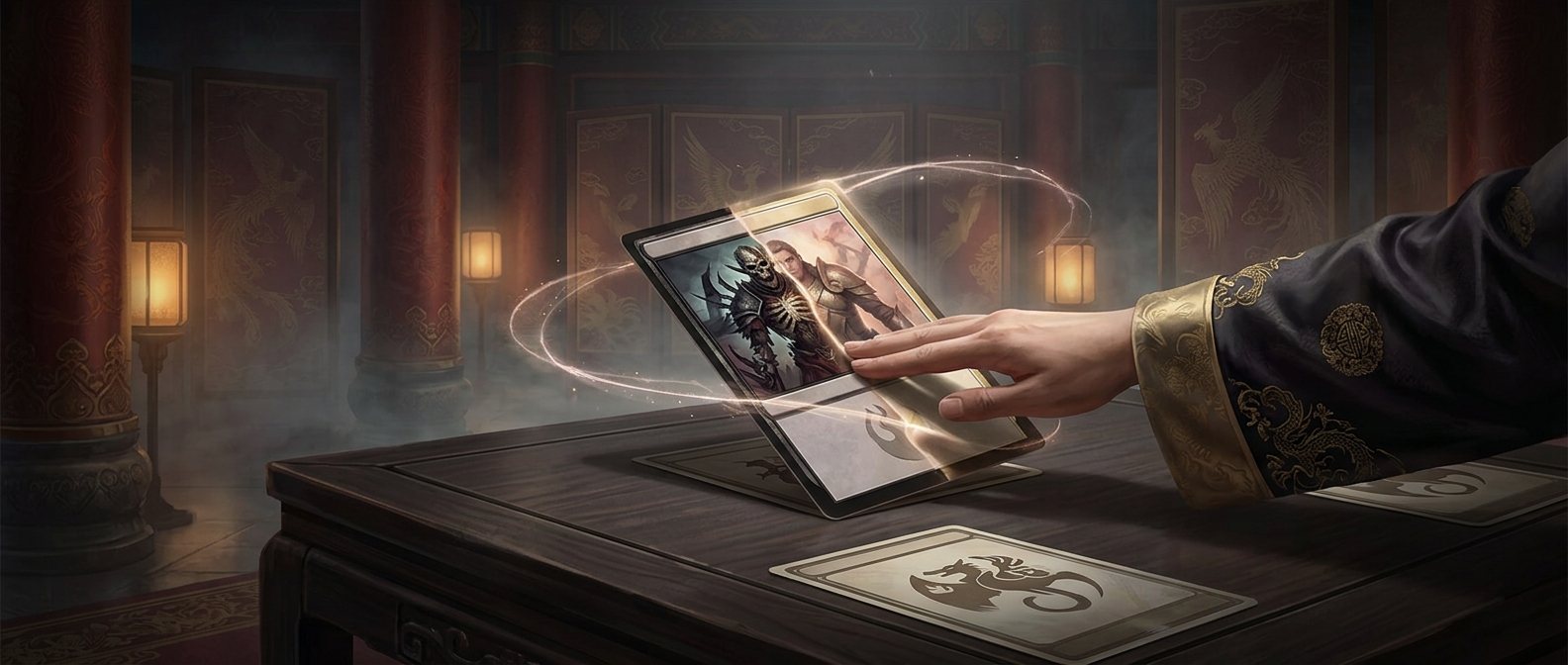
In a digital card game, artwork is part of the product delivered to each market—not a fixed image that must be identical everywhere. A publisher preparing a version for China may need to adjust visual details that could conflict with local content requirements. In Hearthstone, that meant altering some card illustrations, including removing visible blood or exposed bones.
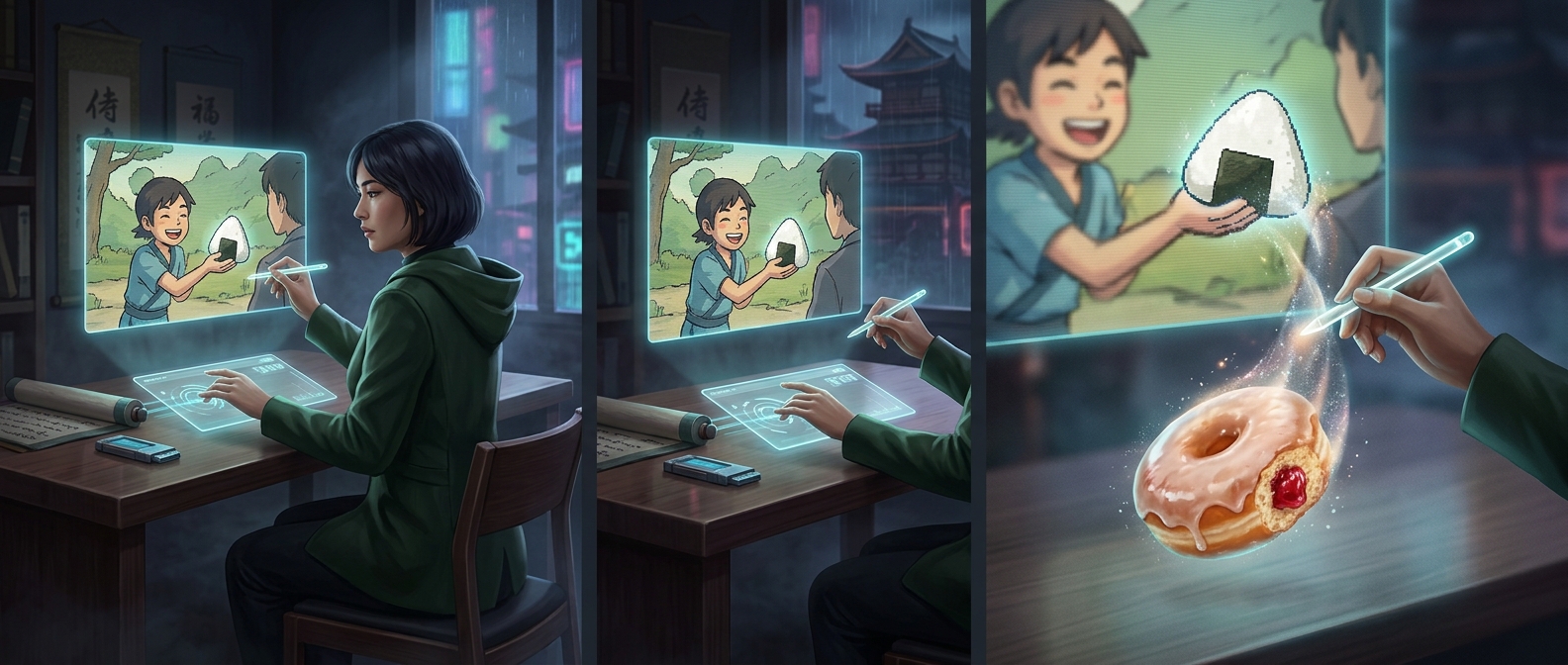
The practical challenge is to change what is shown without making the card hard to recognize. Players identify cards through a mix of name, frame, color, character, and image. An art revision therefore has to preserve the illustration’s main subject and mood while replacing or obscuring particular details. The goal is not to redesign the card’s function, but to make its presentation suitable for that release.
Why the changes matter beyond appearance
This is a form of localization: adapting a product for a specific market, rather than simply translating its words. For a game with a large library of illustrations, visual review can become a production task of its own. Each affected image needs a usable alternative, and the revised art must still read clearly at card size on a screen.
The result can be subtle, but it shows how distribution rules can shape a game’s creative surface. Two players can encounter the same card and the same game concept through different images. In a collectible card game, where artwork helps make each card memorable, even a small edit changes the version of the world the player sees.