How Verona Turned a Courtyard Into Juliet’s Home
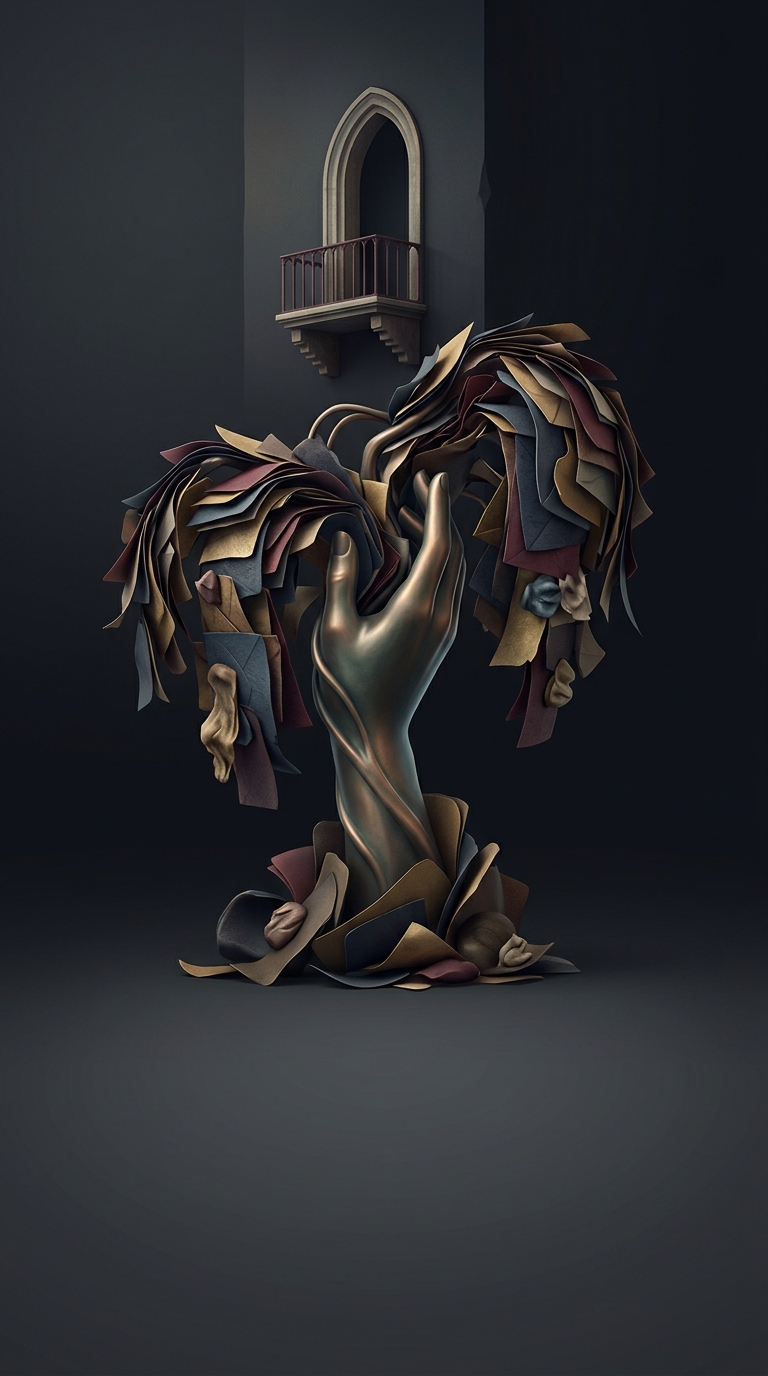
The balcony at Casa di Giulietta feels like the natural setting for Shakespeare’s romance: a small stage above a stone courtyard, with visitors below looking up as if they have arrived in the middle of the play. But the building’s association with Juliet grew from literary imagination, not from evidence that a real Juliet lived there. The balcony itself was added in the twentieth century, helping give the old building the appearance visitors expected from the story.
That distinction is part of the attraction. Shakespeare never specifies that his fictional lovers lived in this house, yet the city’s setting and the familiar image of Juliet at a balcony make the connection easy to believe. The site gives a story without a verified address a place visitors can stand.
A Literary Scene Becomes a Tourist Ritual
The courtyard turns reading into performance. Visitors recite Shakespearean lines, pose beneath the balcony, and approach the building as a place where romance can be acted out rather than merely remembered. Its appeal rests on a meeting of layers: an older structure, a later architectural addition, and a much older play that audiences continue to recognize.
The bronze statue of Juliet adds another ritual. Many visitors rub its right breast for luck, and repeated touching has worn down the metal. The polished surface is a visible record of the custom: thousands of small gestures have changed the statue itself.
The Real Place Behind the Fiction
Casa di Giulietta is therefore less a preserved home of Shakespeare’s heroine than a site shaped around a powerful literary image. That does not make the visit meaningless; it changes what the place represents. The balcony shows how tourism can turn fiction into a physical destination, while the worn bronze shows how a shared belief—even a playful one—can leave a lasting mark on an actual object.