A closer look
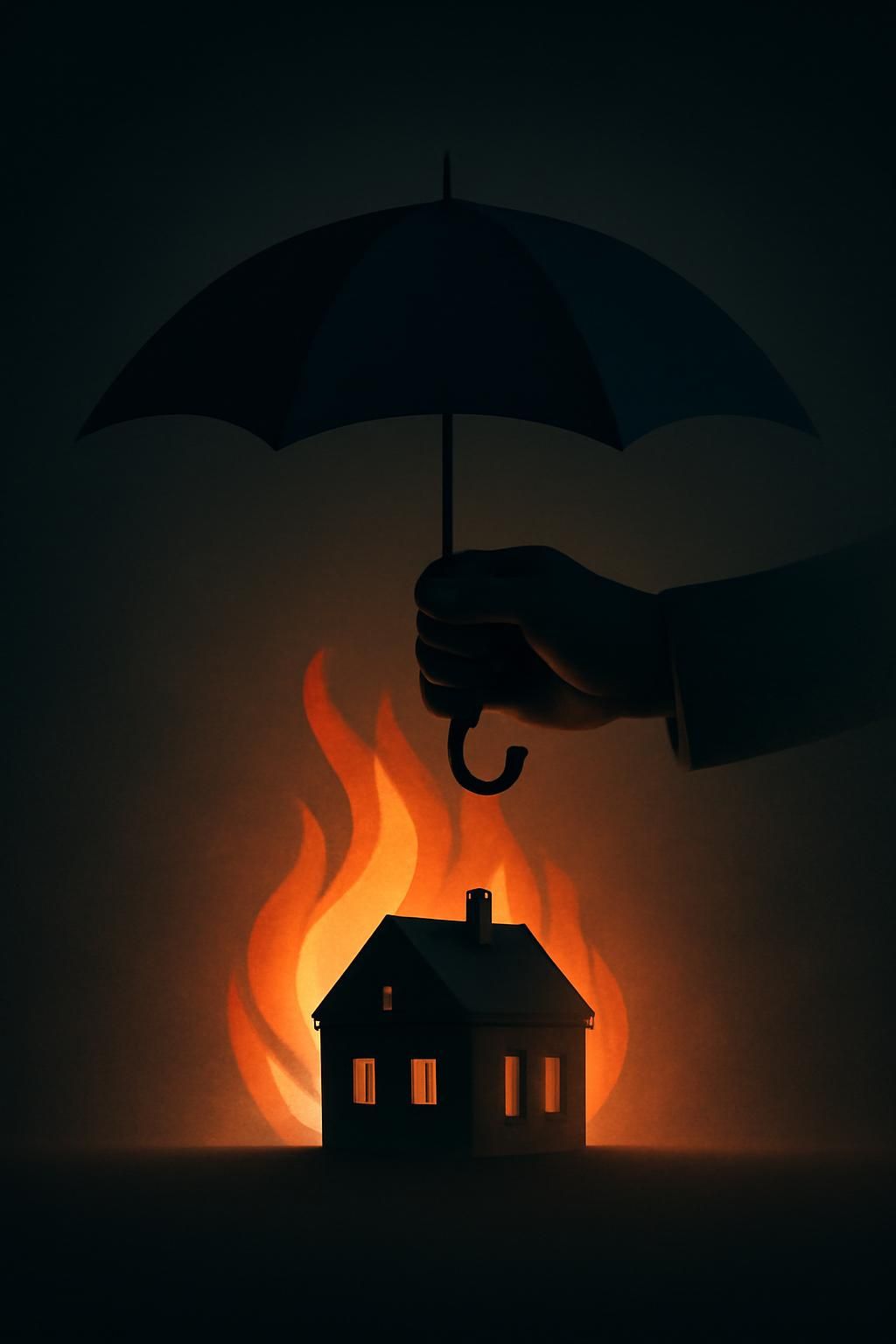
A catastrophic fire in 17th century London accidentally invented modern home insurance. In 1666, the Great Fire ripped through wooden houses packed tightly together, leaving tens of thousands homeless. Rebuilding was ruinously expensive, and there was no safety net. Entrepreneurs spotted an opportunity: what if many homeowners paid small regular fees into a shared pot that would compensate whoever burned down. Early fire insurance companies even operated their own private fire brigades and nailed metal plaques to insured houses so responders knew which buildings to prioritize. The idea spread and evolved into the massive insurance industry we know today, covering everything from cars to satellite launches. At its core, though, the logic is unchanged: disasters feel personal, but the math of risk only works when strangers agree to carry each other's worst days, sight unseen.