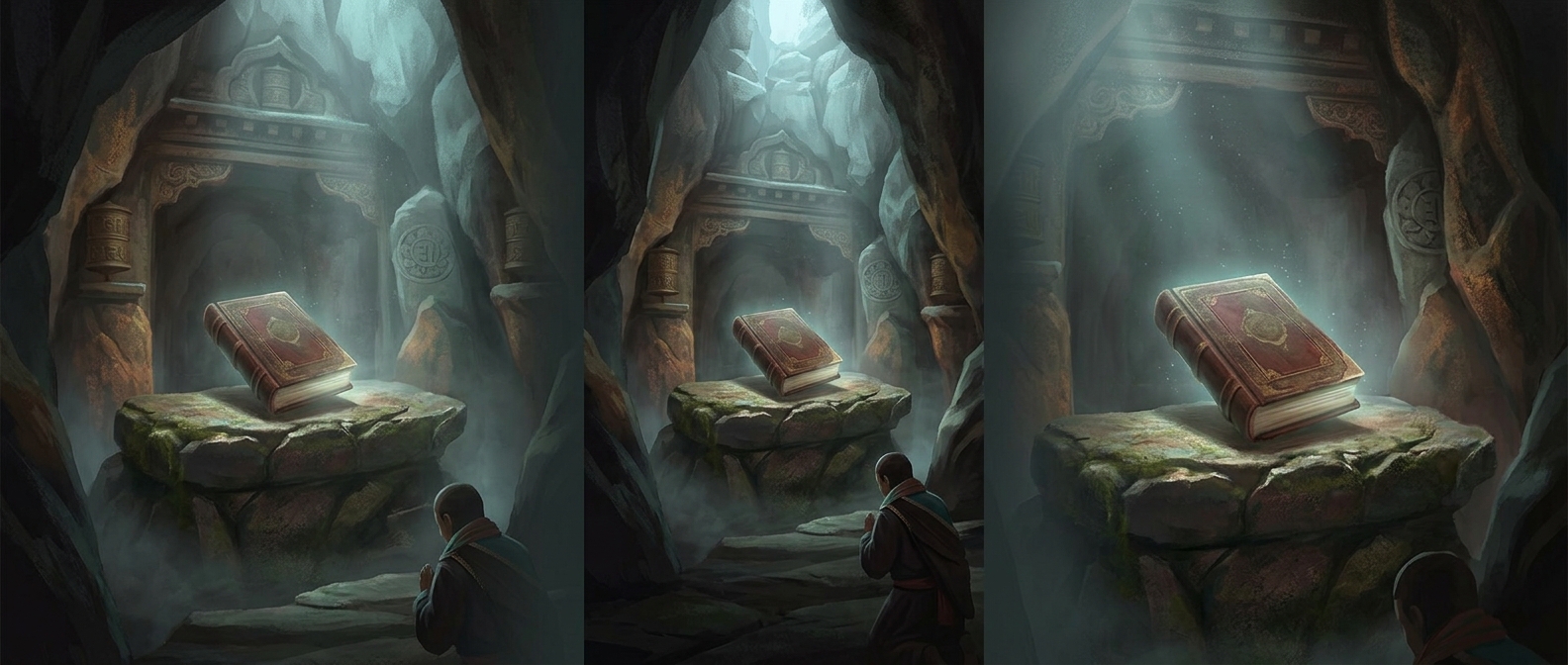
A Manual Built for Wandering, Not Looking Things Up
An alphabetical index turns a book into a tool: find a term, jump to a page, retrieve an answer. Mystical manuals that favor long, philosophical chapters ask for a different kind of reading. Their subjects unfold through argument, reflection, and association rather than through a quick lookup system.
That choice changes the reader’s task. Without an index, someone searching for a particular symbol or practice may have to scan chapter headings, remember where a topic appeared, or encounter it again while reading from the beginning. A chapter can still contain practical guidance, but the book offers no dependable alphabetical route to it.
The Structure Shapes the Experience
A rambling chapter can connect ideas that an index would separate into tidy entries. That may suit a work meant to present a broad spiritual outlook, where a concept gains meaning through its relationship to other themes. But it is less convenient when a reader wants to consult one detail and move on.
The missing index is therefore more than a small publishing inconvenience. It reveals what the book makes easiest: following the author’s train of thought, rather than treating each teaching as a standalone answer. For the reader, finding one passage may mean taking the longer route through the book itself.