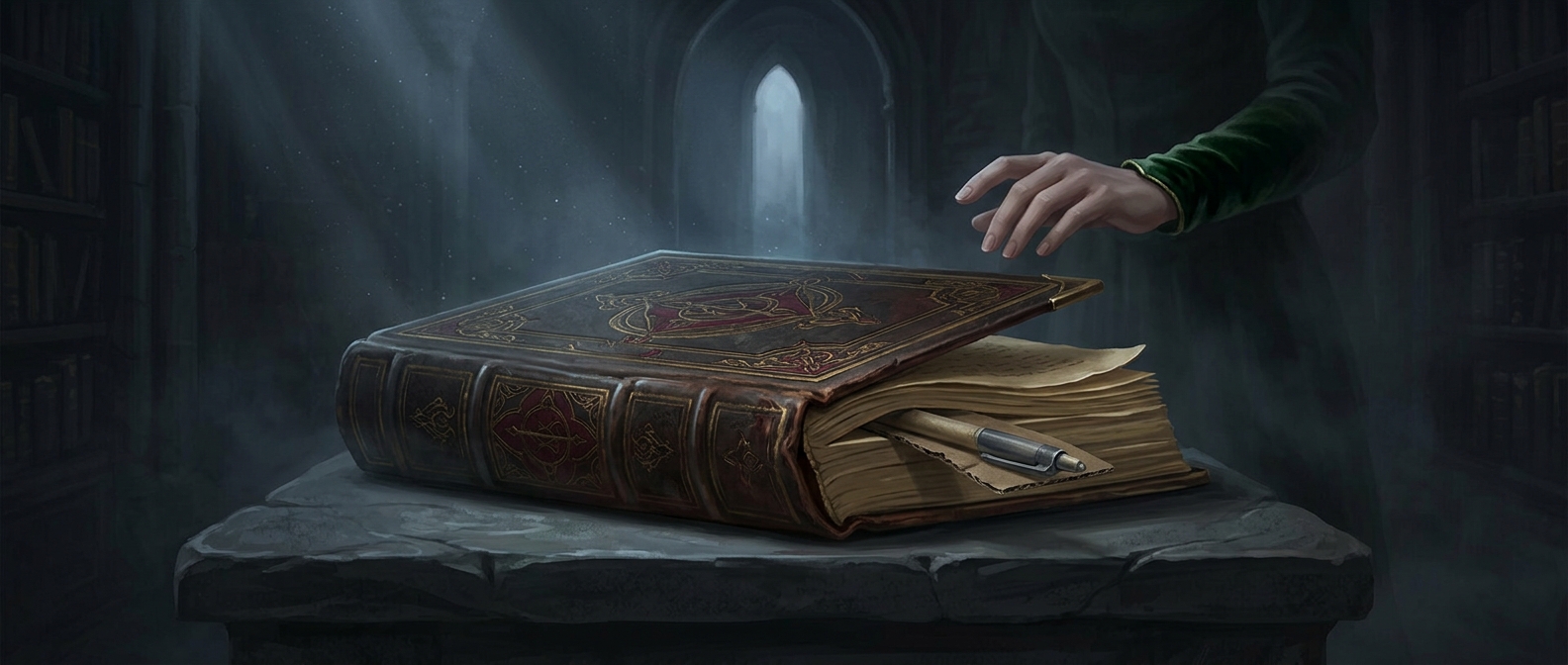
Why a Heavy Book’s Binding Is Vulnerable
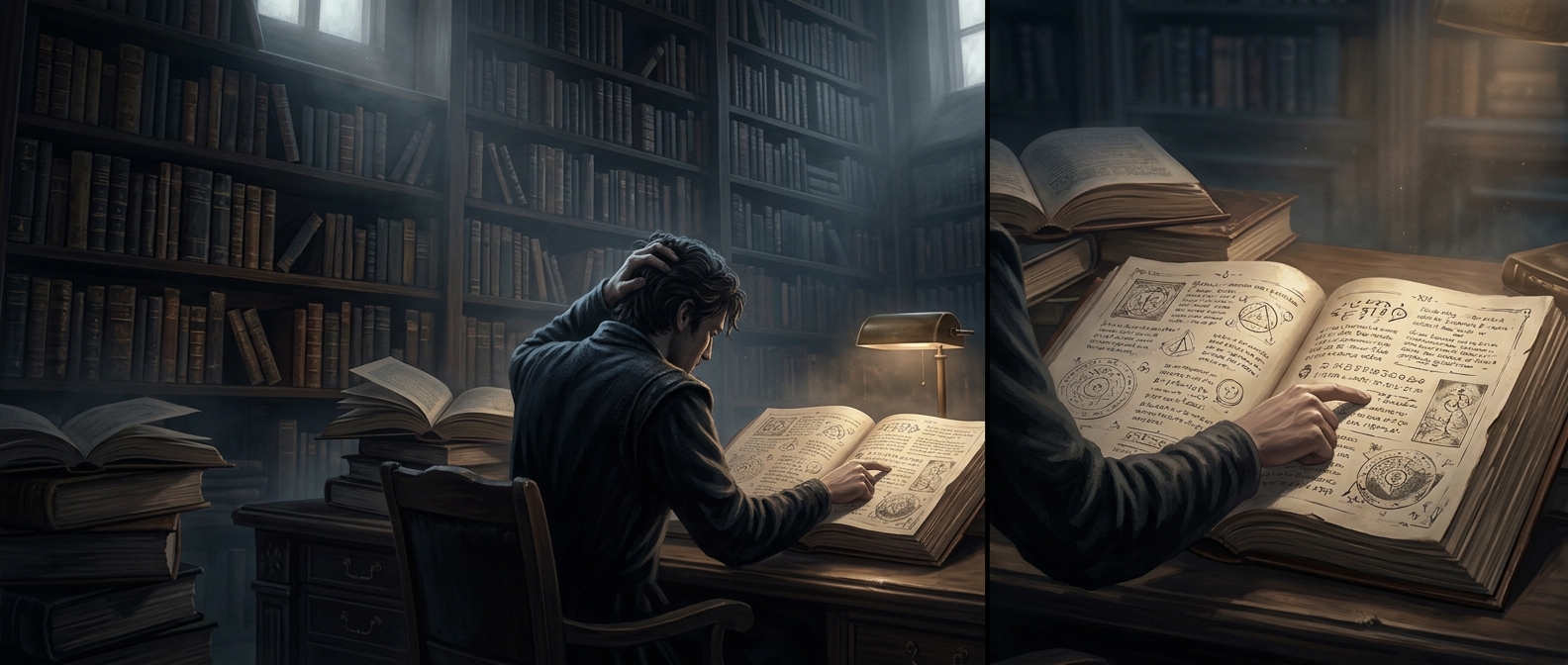
A book’s pages are attached to its cover through a structure of folded sections, stitching or adhesive, and flexible joints along the spine. Those joints are designed to let pages turn—not to hold the book open against a stiff object or a concentrated weight for long periods. Damage often begins gradually: the spine flexes too far, a joint loosens, or pressure pulls at the places where pages meet the binding.
Creases and Hard Objects Put Stress in the Wrong Places
Folding a page creates a sharp crease that crushes and weakens its paper fibers. Repeating the fold, or leaving it under pressure, can make the mark permanent and increase the chance of a tear. The page also stops lying evenly against its neighbors, so the book may close unevenly.
A thick crystal can cause a different problem. Its weight presses down on a small area, and a pointed or uneven edge can dent or abrade paper. If the book is forced shut around it, the object can also push the covers apart and strain the spine. The risk depends on the book’s construction and the object’s weight and shape, but a heavy volume has less room to absorb awkward pressure safely.
A thin, lightweight bookmark avoids both problems: it marks a place without creasing a page or wedging the binding open. In a fragile or valuable book, even a small habit matters—the safest marker is one that adds almost no thickness or weight.