A teaching concealed for a later age
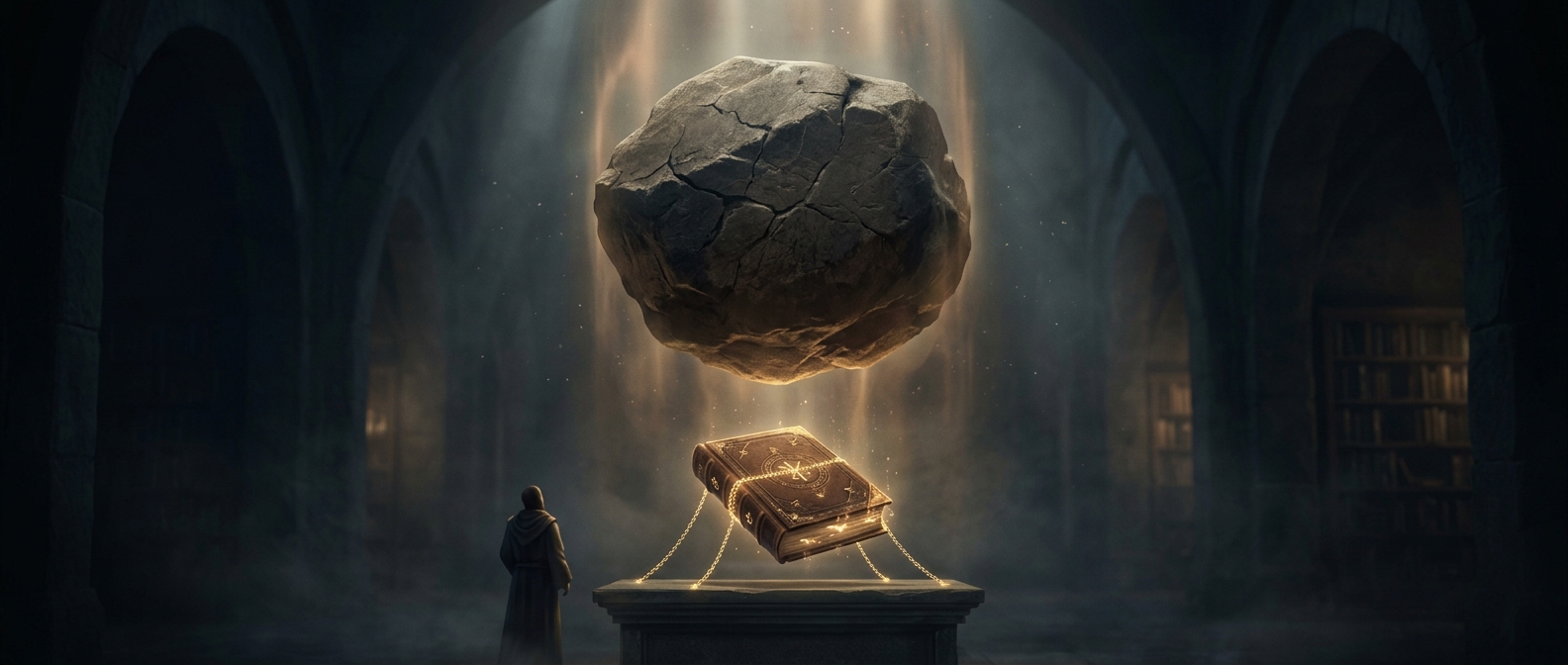
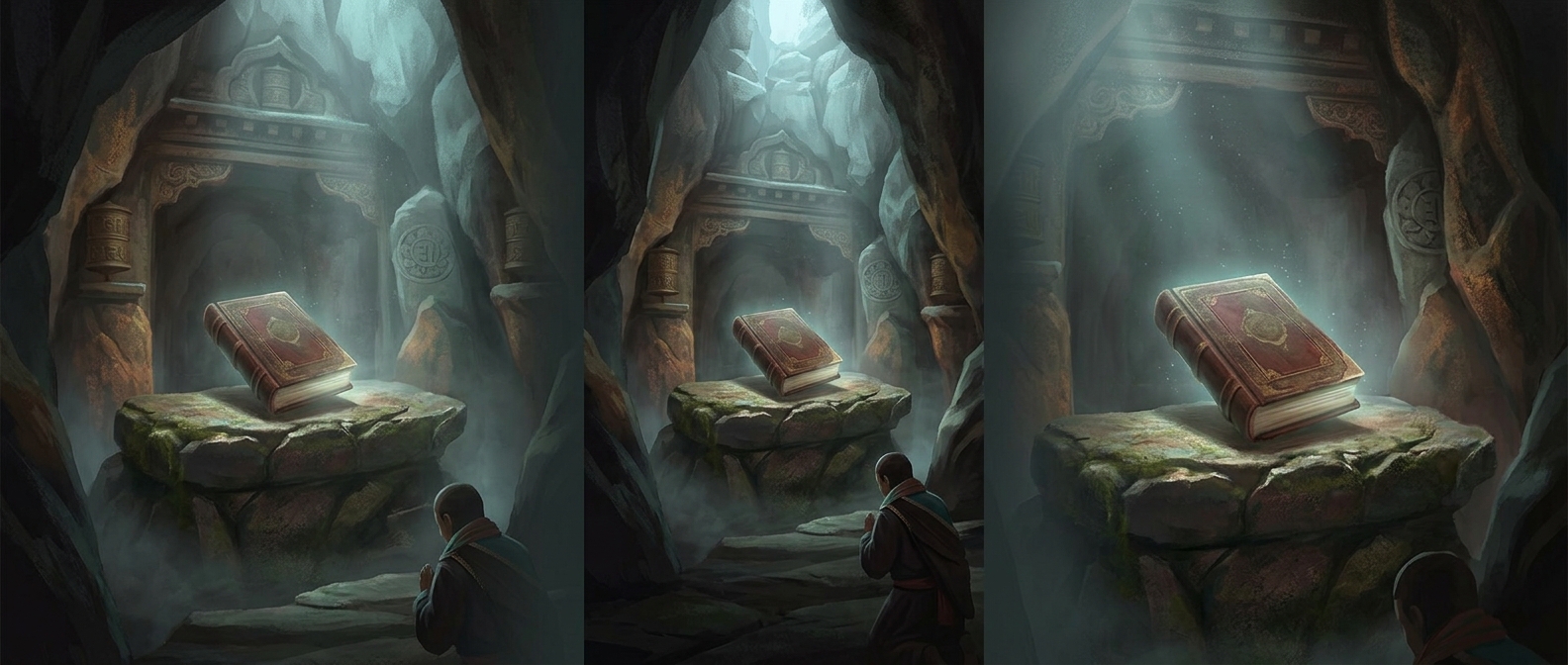
In Tibetan Buddhist tradition, some teachings are terma—“treasures” deliberately concealed so they can be recovered when the time is right. The Bardo Thodol, known in English as The Tibetan Book of the Dead, belongs to this tradition: accounts describe it as hidden and later revealed, rather than composed as a newly written guide for a particular funeral.
That story gives the book a particular kind of authority. Its recovery is understood within the tradition as the return of a teaching entrusted to the future, not simply the chance discovery of an old manuscript. The centuries of concealment are part of the text’s religious history and meaning.
What the guide is meant to do
“Bardo” means an interval or transitional state. The text describes experiences said to arise after death and offers instructions for recognizing them. In this view, frightening visions and dazzling appearances are not merely hazards to endure; recognizing their nature is crucial. The teaching is often read aloud to a dying or recently deceased person, so its instructions can serve as guidance through that transition.
The book’s purpose, then, is more than describing an afterlife. It turns a hidden teaching into a practical ritual: a reader speaks the instructions when the person they address is believed to be unable to respond, but still capable of hearing and recognizing the way forward.