A lake-to-ocean route measured in yards
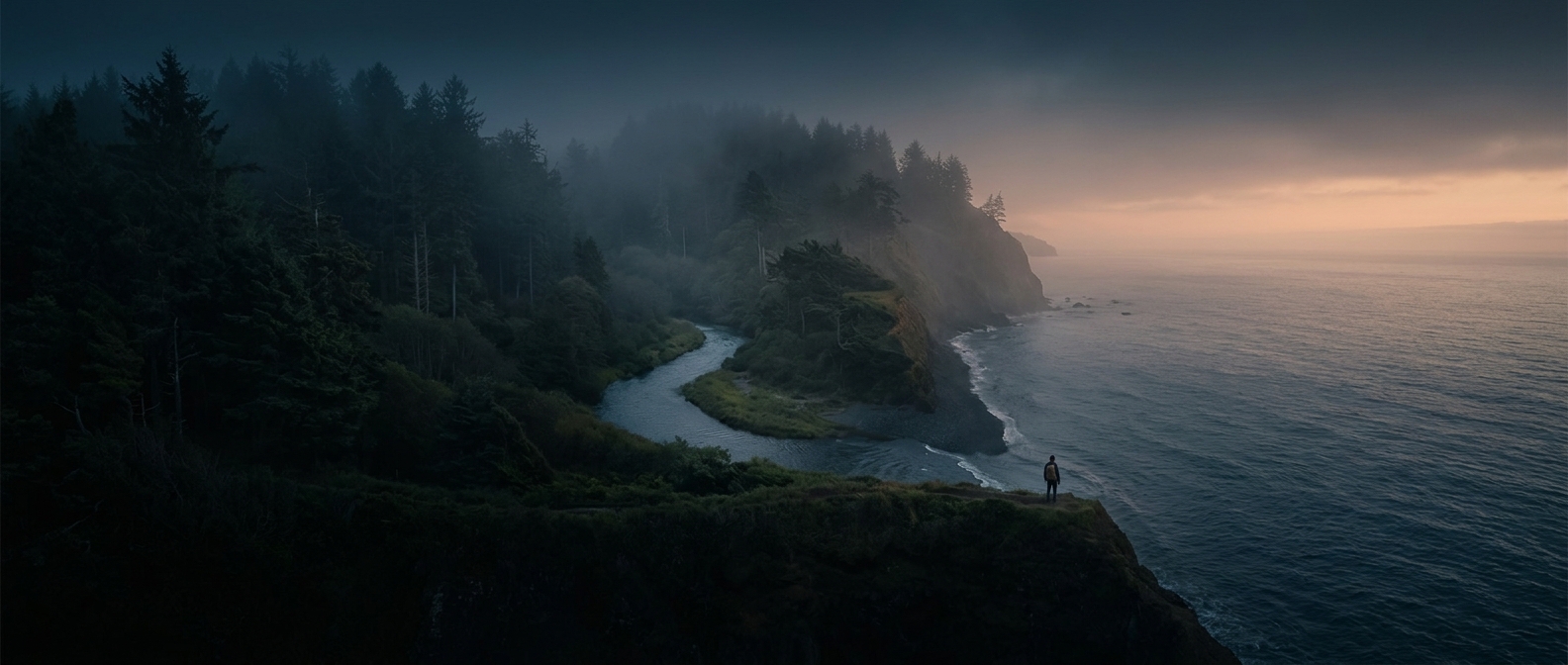
At Lincoln City, the D River is the short outlet that carries water from Devils Lake across the beach to the Pacific. It is not a miniature version of a long inland river: its entire job is to connect a coastal lake with the ocean just beyond the sand. That geography leaves almost no distance between its source and its destination.
The channel is commonly described as about 120 feet long. That is shorter than many houses are long, yet it still forms a visible route for water moving from the lake toward the sea.
Why a river’s length can be tricky
A river’s length depends on where its beginning and end are counted. At the coast, the channel’s meeting point with the ocean can shift as waves and tides move sand. Those changing edges help explain why measurements—and claims to the “shortest river” title—can become contentious. The D River’s claim is famously compared with Montana’s Roe River, so the record depends in part on how the two waterways are measured.
The striking part is not just the number: stand near the outlet and the ordinary landscape-scale idea of a river collapses into a walk across a beach. In a few dozen paces, water can pass from a lake into the Pacific.