The payoff is in the parts
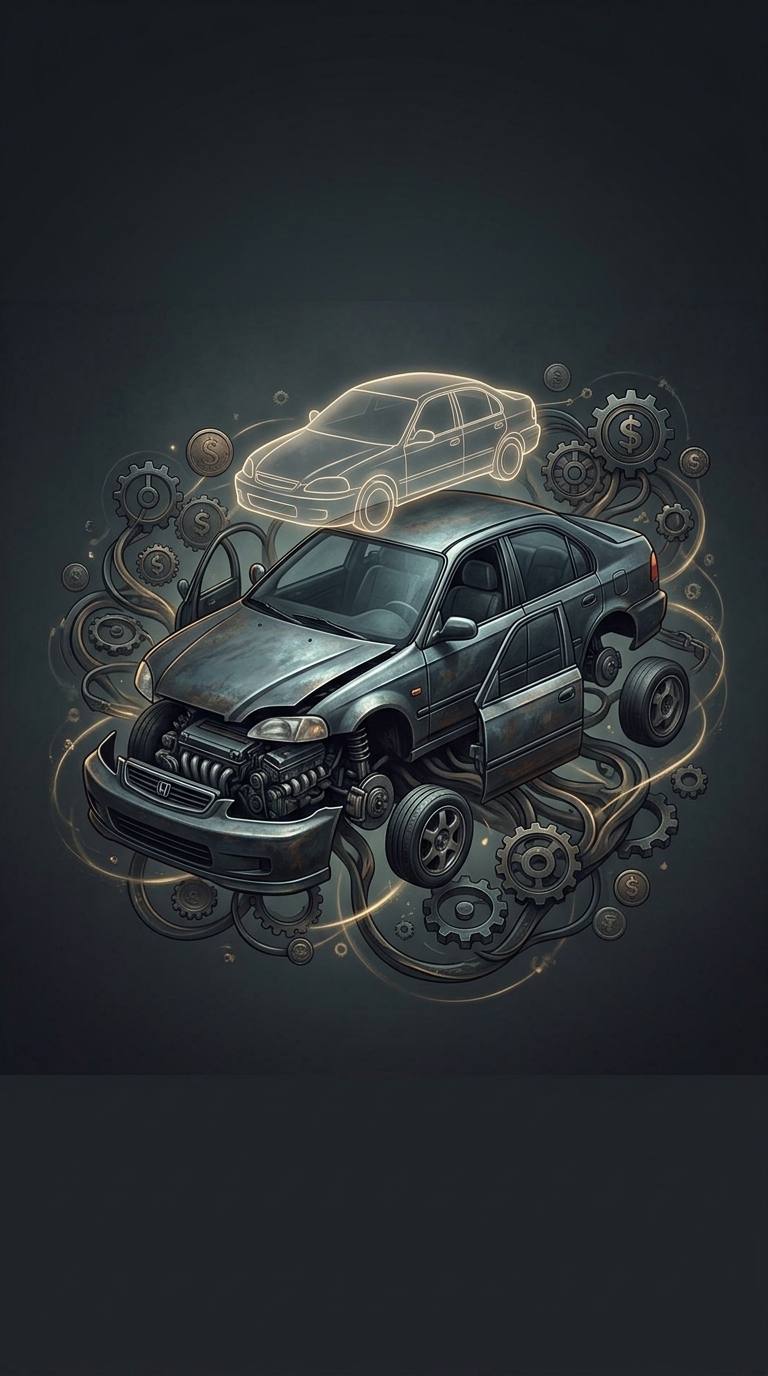
A stolen car does not have to be rare or glamorous to be valuable. For a thief, the useful question is whether the vehicle can be taken with relatively little effort and whether its components can be sold afterward. Older Civics fit that calculation: they were produced in large numbers, so replacement parts for them had a broad pool of potential buyers.
Common models can also be easier to break down into saleable pieces than unusual ones. A luxury car may be worth more intact, but its parts can be costly, specialized, or harder to move without attracting attention. The Civic’s appeal is less about prestige than about a practical market for what can be removed from it.
Why older security matters
Many newer cars use an electronic immobilizer—a system that checks for a coded key before allowing the engine to start. Forcing the ignition alone is not enough. Older vehicles that lack this protection, or have less advanced versions, can present a lower barrier to theft.
That difference changes the thief’s risk-and-effort calculation. A car that is easier to start and has parts buyers already want may be a more attractive target than a flashier vehicle that is harder to steal and difficult to sell piece by piece.
The result is a counterintuitive kind of desirability: the car’s familiarity and abundance, usually advantages for owners seeking affordable repairs, can also make its parts useful in an illicit market.