Why the road ends before Zermatt
Zermatt sits high in a narrow Alpine valley, beneath the Matterhorn. The village’s car-free policy changes the journey before visitors arrive: most leave their regular cars in Täsch, farther down the valley, and continue by train. That keeps the heaviest road traffic out of the resort rather than trying to manage it on its cramped streets.
A different kind of local traffic
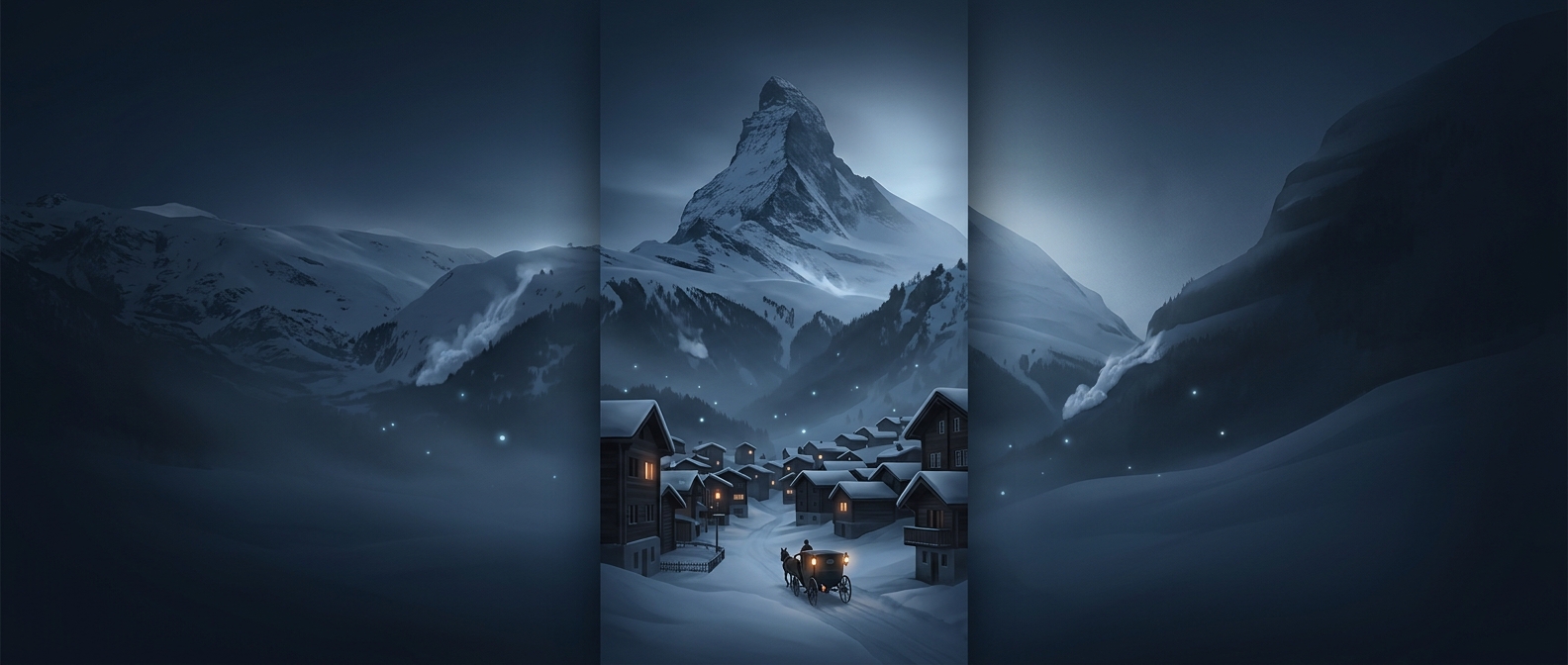
Inside the village, travel still depends on vehicles, but they are adapted to the setting. Small electric cars and buses carry people and supplies without the exhaust of ordinary combustion engines; horse-drawn carriages offer another way to move through town. The compact scale matters: these vehicles can handle local trips and tight streets without bringing a stream of conventional cars into the valley’s central settlement.
Clearer air, quieter streets
The policy has a visible consequence beyond transportation. Fewer exhaust emissions in the village help protect local air quality, while less road traffic can mean less noise and congestion. On clear days, the Matterhorn is the dominant presence above town; reducing one local source of pollution helps preserve the clean-air setting visitors come to experience. The tradeoff is that a car journey cannot simply continue to the hotel door: reaching Zermatt means transferring to transport designed for the valley.