Why the Internet’s Punchline Still Has an Audience
Online ridicule and concert demand measure different things. A joke can spread because it is easy to repeat, not because everyone repeating it has carefully judged the music—or because most listeners agree. Nickelback became a familiar target in online culture, but that visibility does not erase the people who enjoy hearing the band.
Familiar Songs Work Differently Live
A concert is not an internet poll. Fans choose to spend time and money on a night built around songs they know, shared memories, and the energy of a crowd singing along. Nickelback’s radio hits give audiences recognizable moments to anticipate; even listeners who know the band mainly through jokes may recognize the choruses.
That gap helps explain how mockery can coexist with large shows. Posting a gag costs almost nothing and can reach far beyond the people who would buy a ticket. Concert attendance, by contrast, reflects the choices of actual fans in particular places. The online conversation may be louder than the audience is representative.
The Joke Can Keep the Band Visible
A durable meme can also keep a band’s name in circulation long after a passing trend would fade. That attention is not the same as approval, but it can make the music instantly recognizable—and give fans a chance to treat the joke as part of the experience rather than a reason to stay away.
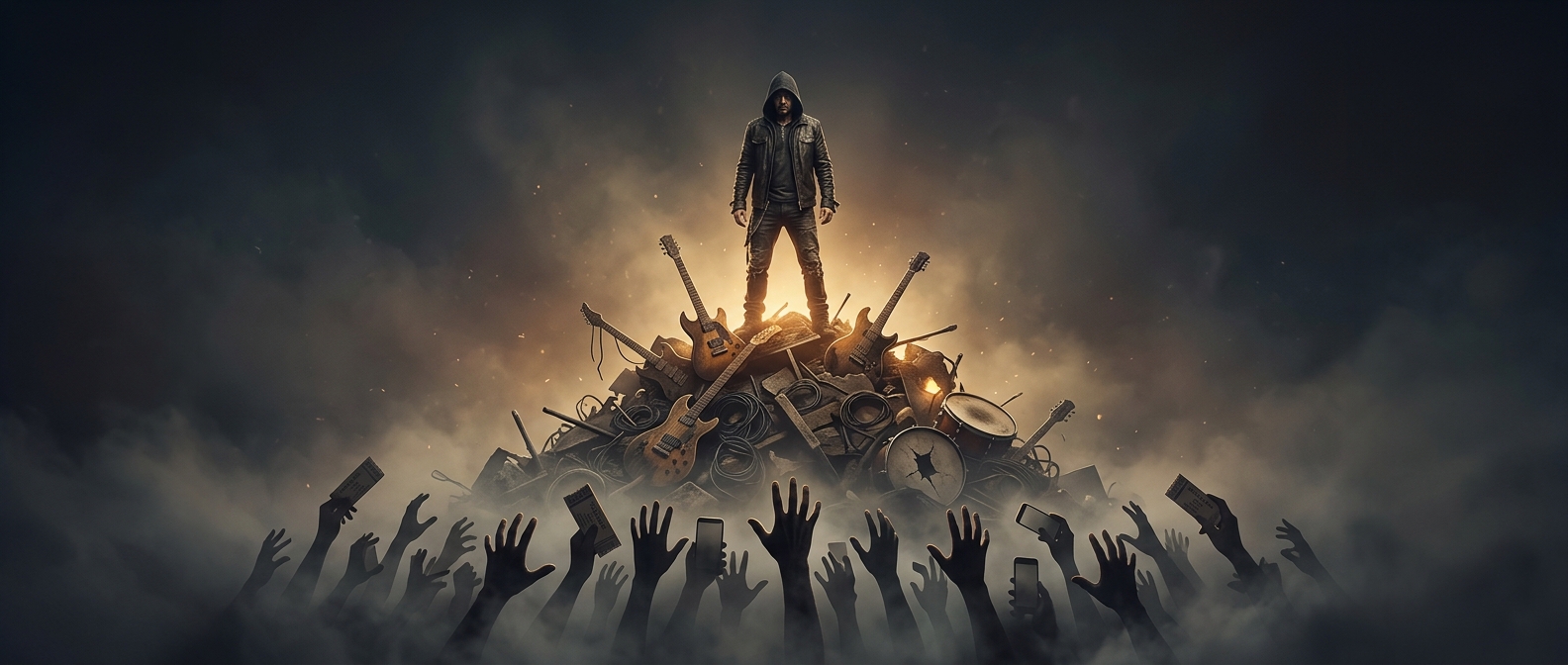
So the apparent contradiction is less mysterious than it looks: the internet can make a band a punchline while arenas still fill with people who came for the songs.