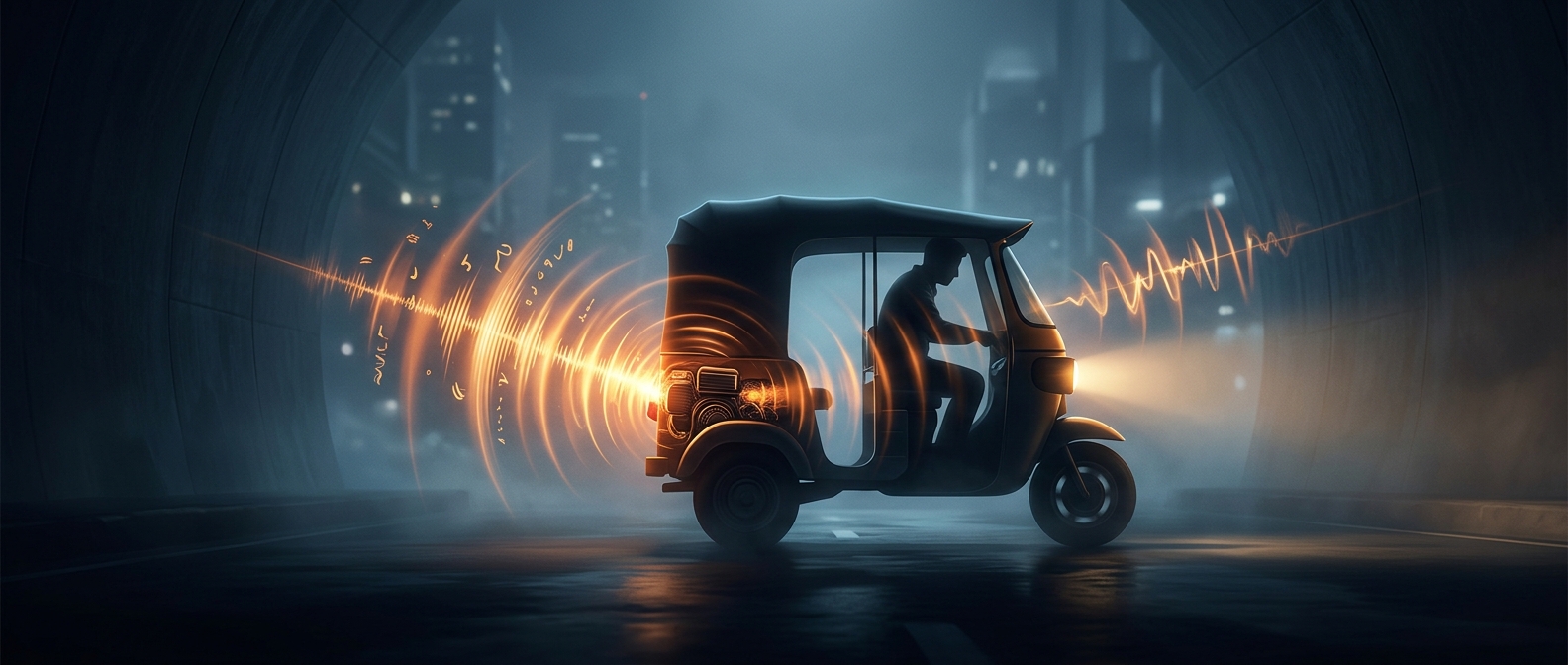
How LPG Powers a Tuk-Tuk—and Why the Tank Matters
Liquefied petroleum gas, or LPG, is stored as a liquid under pressure. When fuel leaves the tank, the pressure drops and some of the liquid turns into gas. A regulator controls that flow so the engine can mix the fuel with air and burn it in its cylinders. “Volatile” here means LPG vaporizes readily; the practical consequence is that a leak can quickly create a flammable gas-and-air mixture near an ignition source.
A Compact Fuel System in a Working Vehicle
Many LPG tuk-tuks use engines adapted to burn gas, with a pressurized tank, fuel lines, and a device that meters the gas to the engine. The setup lets a small vehicle carry its fuel onboard without a gasoline tank, but it makes the tank and its connections important parts of routine inspection. A damaged line or poorly secured tank can matter as much as an engine problem.
The open sides of a tuk-tuk can help a leak disperse in moving air, but they are no guarantee against danger: gas can linger in sheltered or low areas, and a vehicle may be parked in an enclosed space. LPG is also odorized in many fuel systems, giving it a warning smell, though that should not replace checking equipment or responding carefully to a suspected leak.
The tradeoff is visible in the vehicle’s design: a compact three-wheeler can use a fuel carried under pressure, but that convenience depends on sound fittings, a secure tank, and keeping the vehicle away from flames when fuel may be escaping.