Why the Government Ended Up With So Much Cheese
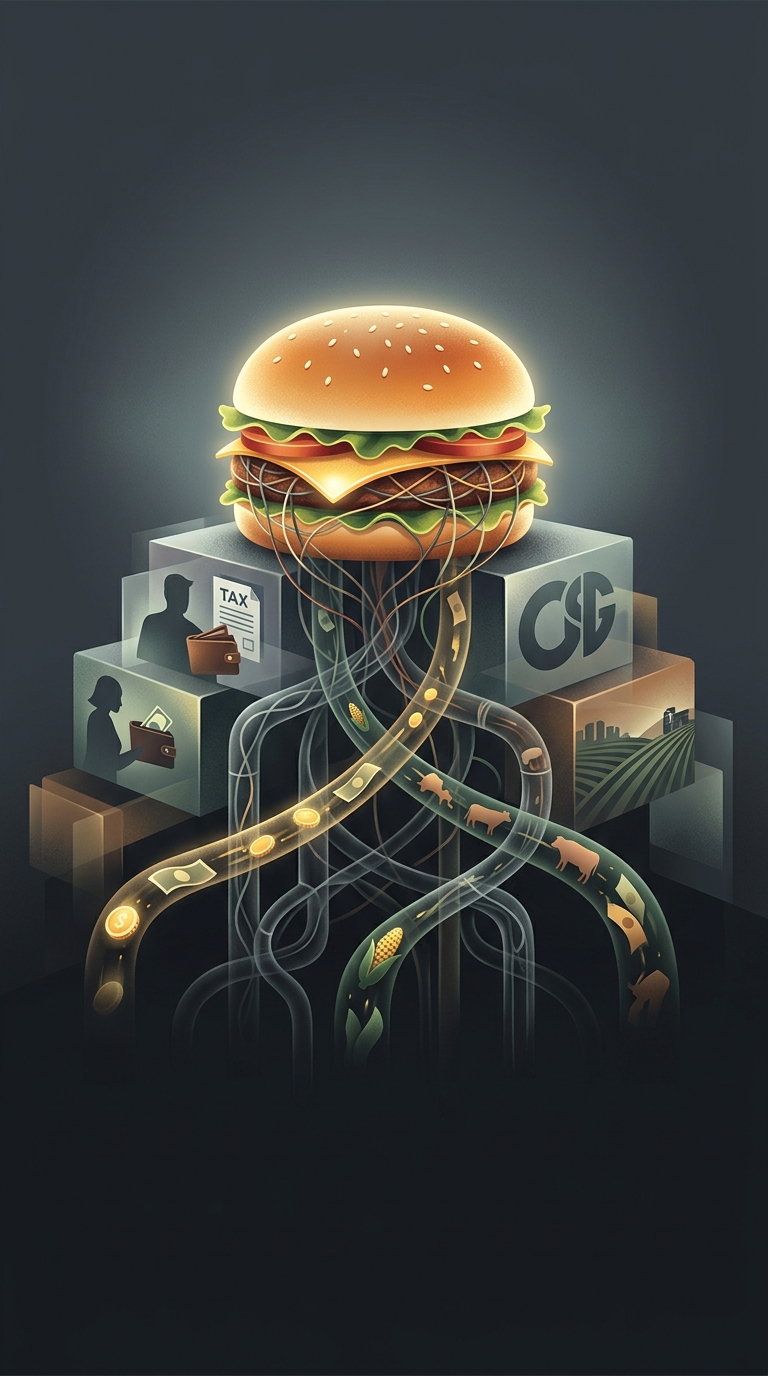
The stockpile grew out of a federal effort to support American dairy farmers. When milk production exceeded what buyers would take at prices policymakers wanted to protect, the government bought dairy products rather than letting prices fall as sharply. Much of that surplus was turned into cheese, which lasts longer than fresh milk and can be stored for years.
The policy created a dilemma: buying cheese helped support farm income, but it also left the government responsible for an enormous amount of food. A mountain of cheese is not just a quirky inventory problem. It ties up public money and requires suitable storage, while the product continues to age.
Why Store It Underground?
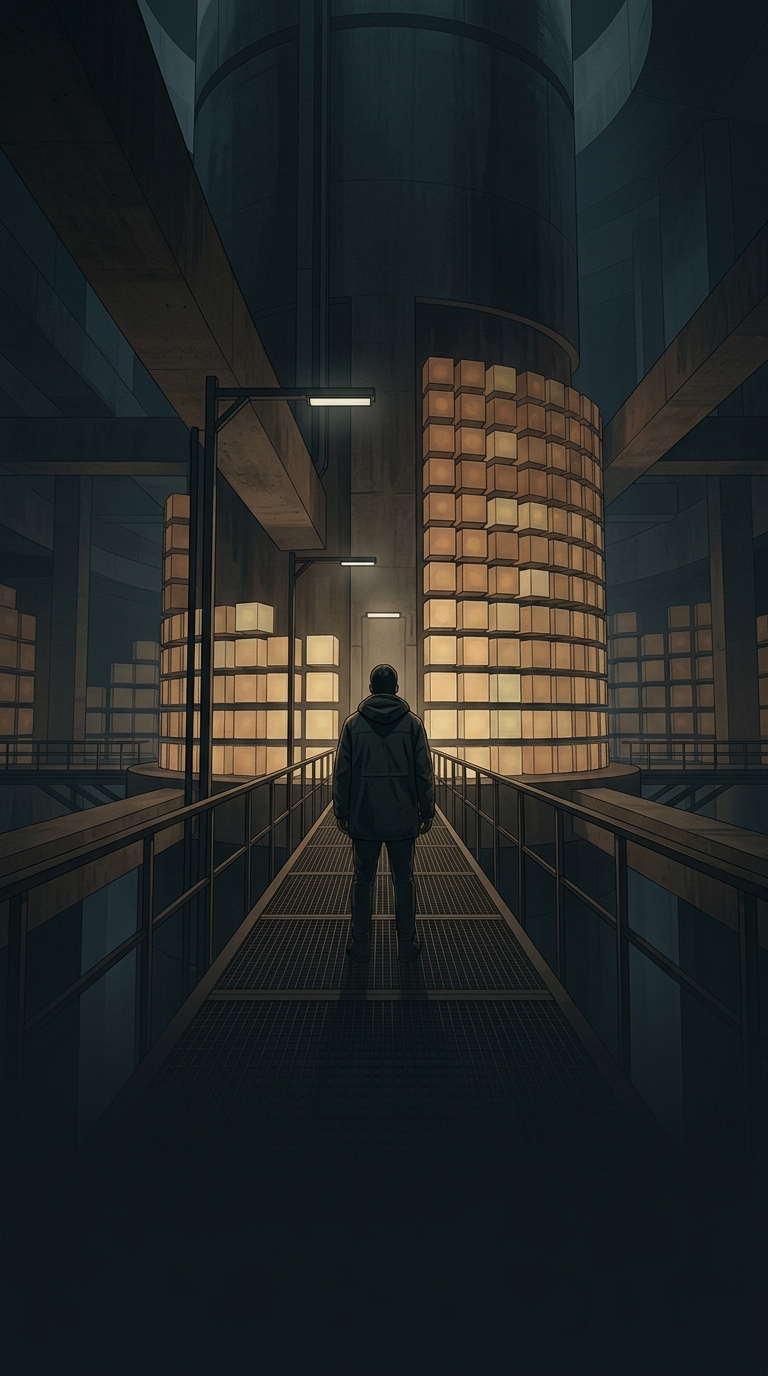
The cheese is kept in a vast underground warehouse near Springfield, Missouri. Its former limestone mine chambers offer a large, sheltered space with relatively stable conditions—useful for storing a product that can spoil if temperature and handling are poorly controlled. The site is a commercial storage facility, not a purpose-built government cheese vault; the government’s purchases made use of its capacity.
That arrangement turns an agricultural price policy into a logistical one: officials must store the surplus safely and find ways to move it into use. Government cheese has been distributed through assistance programs, converting some of the stockpile into food for people rather than letting it remain in storage.
The Cost of Supporting a Market
The underground reserve shows the tradeoff built into price support. Farmers gain a buyer when the market is glutted, but taxpayers inherit the cost of purchasing, storing, and eventually distributing the excess. A policy meant to steady the dairy market can keep producing cheese long after the immediate surplus has passed.