Why Psyche looks like a world’s exposed interior
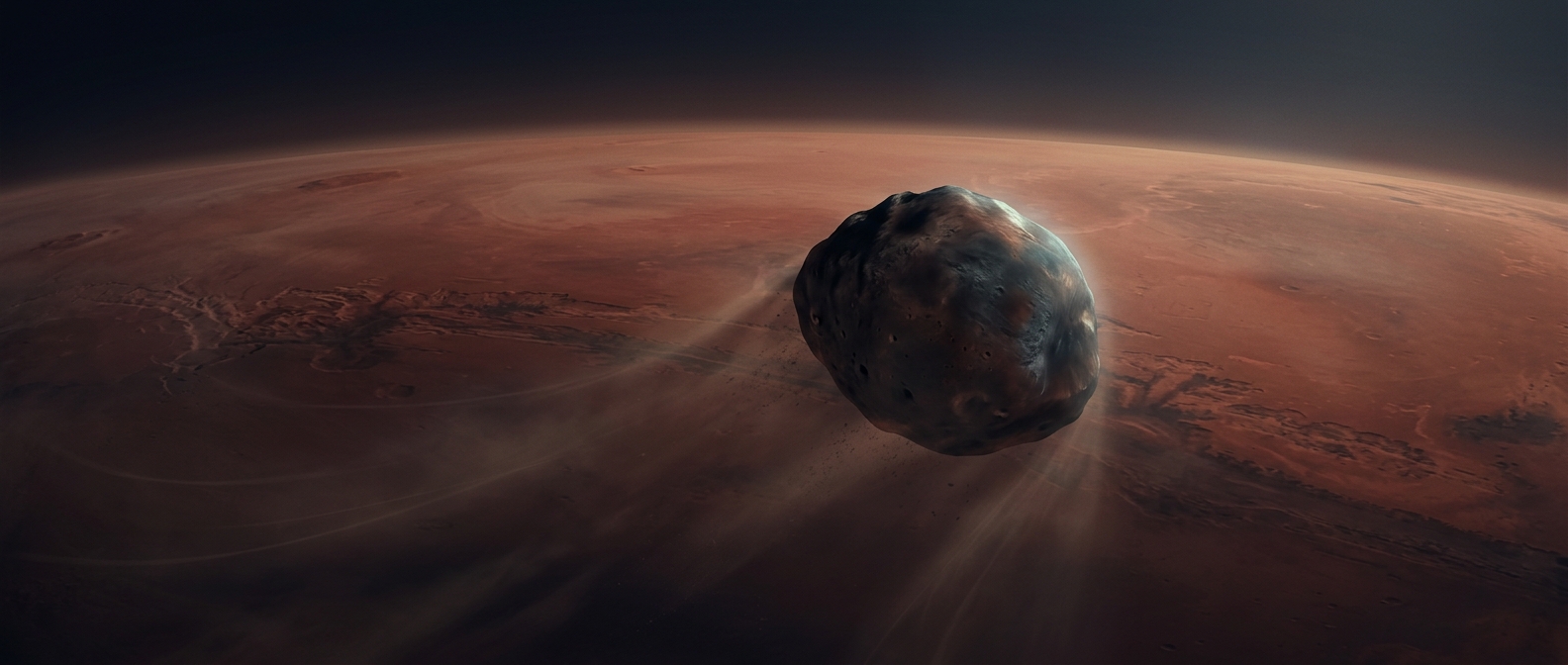
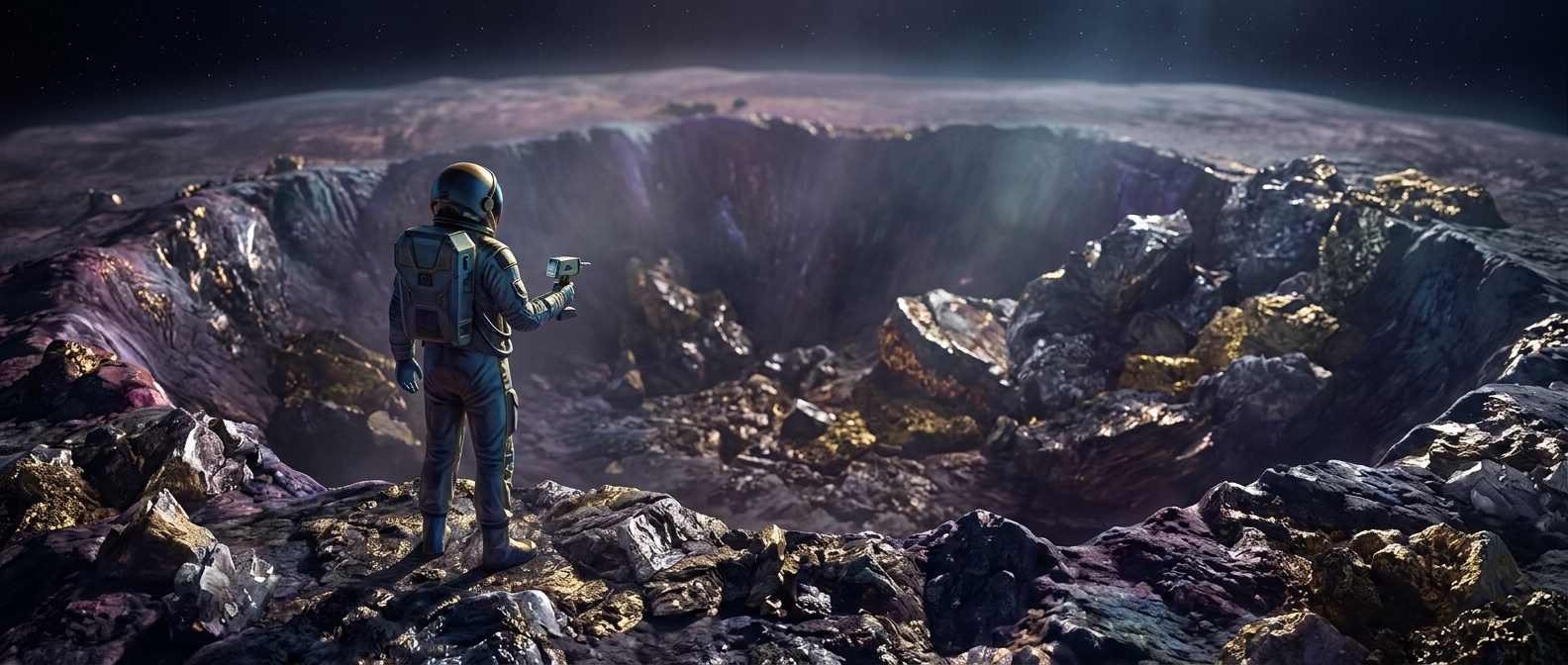
Early views of asteroid 16 Psyche made it seem like a rare chance to inspect the metal core of a small planet. In a young, molten world, dense iron and nickel tend to sink while lighter rock rises, forming a metal core beneath a rocky outer layer. If collisions later stripped away much of that outer material, Psyche might preserve a glimpse of what was left behind.
But that story is only one possible explanation for its metal-rich surface. Psyche’s measured density is lower than it would be if the asteroid were a solid block of iron and nickel. That leaves room for ordinary rock and empty spaces between pieces of material—features that can make a body both mixed and porous.
A battered body can retain metal without being a solid core
Repeated impacts could have broken Psyche’s material apart, excavating rock and leaving metal-rich fragments behind. Those fragments might have gathered into a loose body, while later collisions reshaped its surface. Alternatively, metal and silicate rock—the mineral-rich material common in ordinary asteroids—may never have separated completely. The observations do not yet settle which history is right.
Porosity matters because it changes what “metal-rich” means. A high proportion of metal describes the ingredients; it does not say those ingredients form a continuous, solid mass. A jumble of metal, rock, and gaps can have a very different interior from a compact metallic core.
The interior is the key to its history
A spacecraft examining Psyche can help distinguish among these possibilities by measuring its gravity, mapping its surface, and studying how its materials respond to magnetic and other instruments. The goal is not simply to confirm that metal is present, but to learn how much there is, how it is arranged, and whether the asteroid’s interior is dense or fractured.
That difference changes the story Psyche can tell: it may be a surviving planetary core, a heavily altered mixture, or something between the two. Its metal-rich surface is a clue to its past—not a window straight through to a solid iron world.