The Terminator’s Few Words
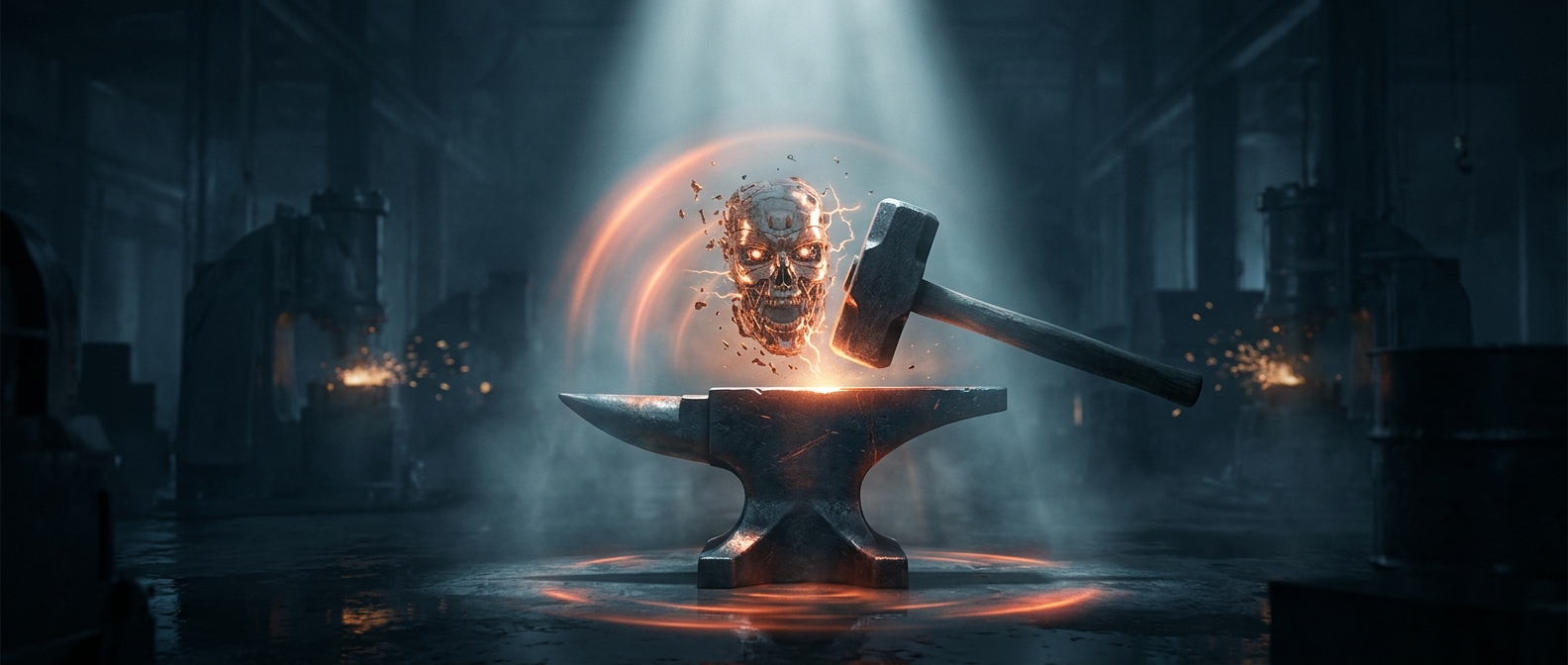
Arnold Schwarzenegger speaks about 58 words in the original The Terminator (1984). That is strikingly little for the film’s central figure, but the character is built to communicate through action rather than conversation. The Terminator is a machine pursuing a task; it does not need to explain its feelings, persuade people, or make small talk.
A Character Told Through Behavior
The short lines that remain are blunt and practical. “I’ll be back” is memorable partly because it sounds less like a dramatic speech than a simple statement of intent. Elsewhere, the machine asks for clothes and weapons, or delivers information in a flat, controlled manner. The contrast between those spare words and the violence around them makes the character feel less human—and more difficult to reason with.
That restraint also shifts the storytelling burden onto Schwarzenegger’s physical performance: his steady stare, economical movements, and refusal to react like an ordinary person. The audience has to read the machine from what it does and how it occupies a scene, not from a stream of dialogue explaining its motives.
Why the Count Matters
The 58-word figure captures a useful design choice: the film makes its antagonist feel powerful without giving him much to say. A line as short as “I’ll be back” can then carry unusual weight—not because it is a long speech, but because the character’s limited speech makes every declaration sound final.