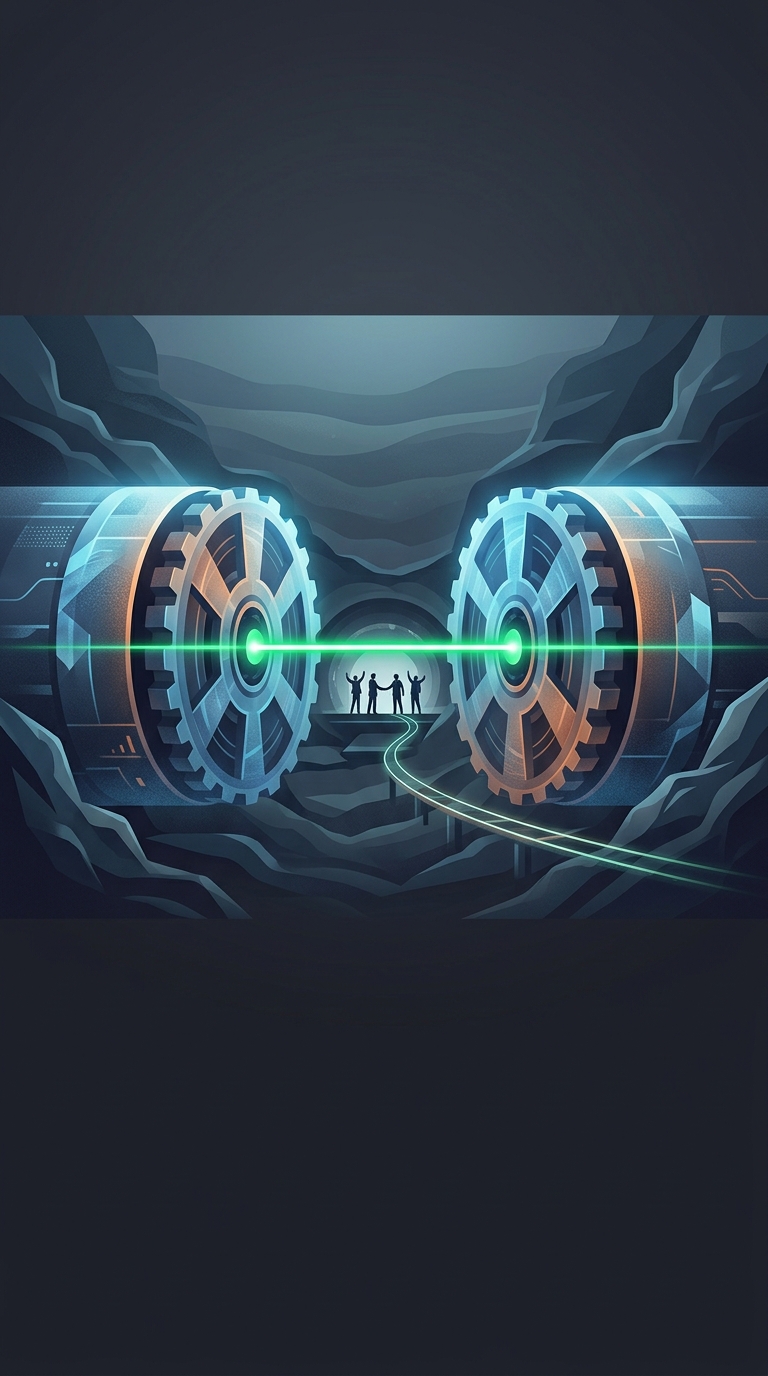
A train cannot simply move aside
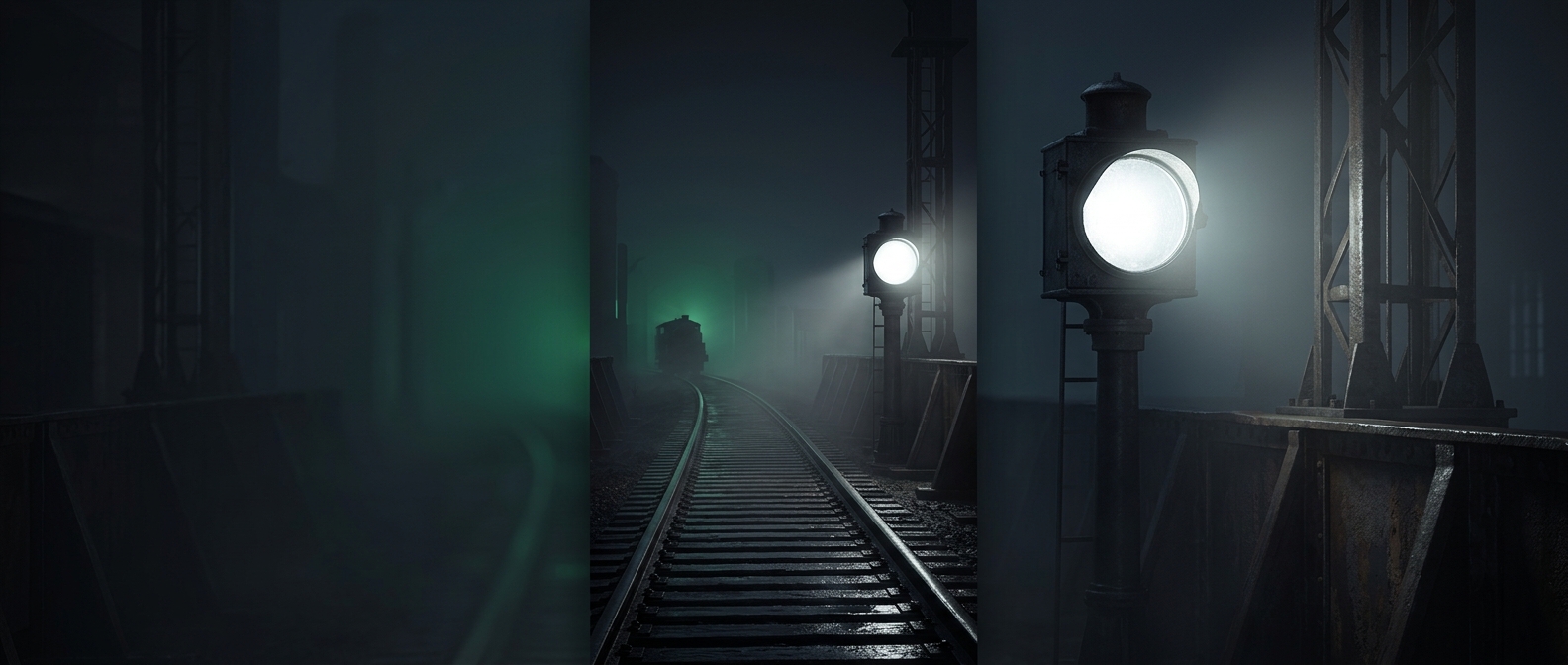
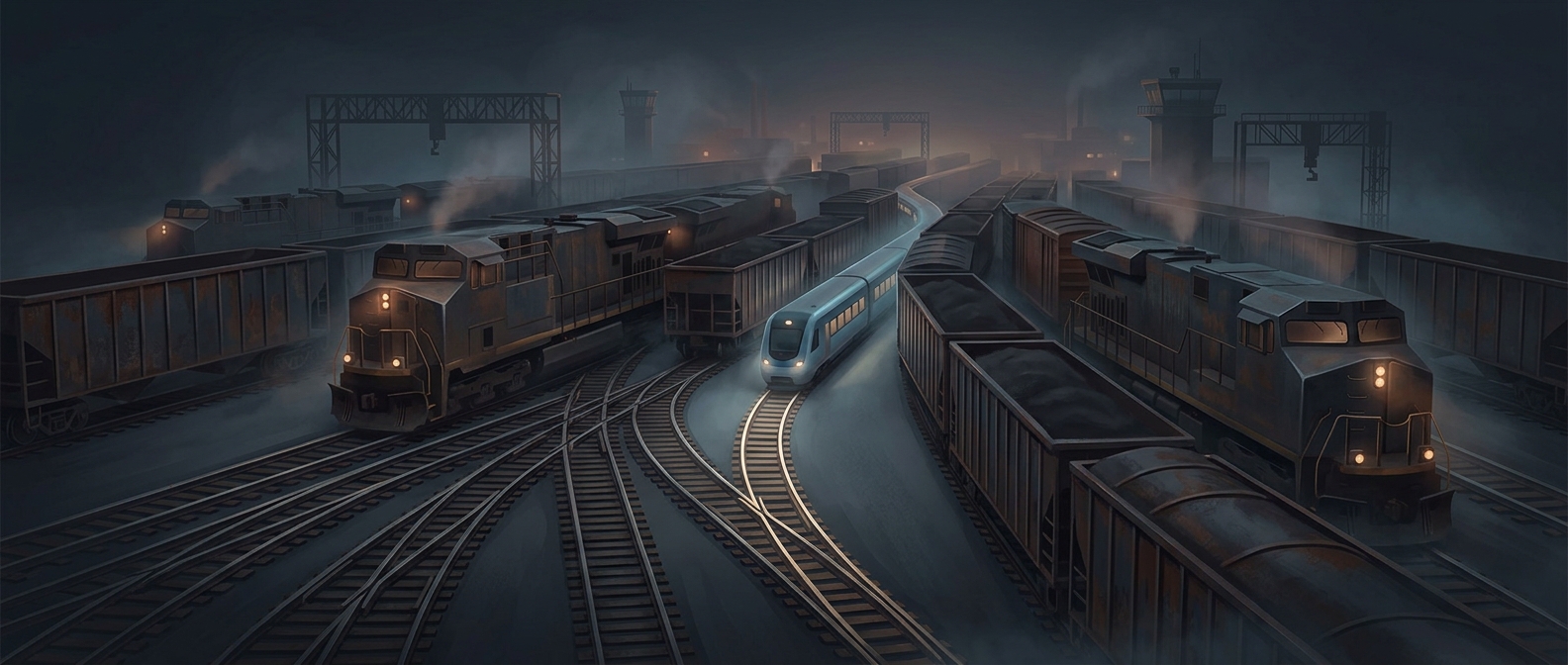
On a shared railroad, the dispatcher has to fit trains onto a fixed path of rails. Many routes have a main track in each direction—or, in places, just one main track—with shorter side tracks called sidings where trains can wait while others pass. A passenger train that catches a freight train may have nowhere to overtake it until the tracks open up or a suitable siding is available.
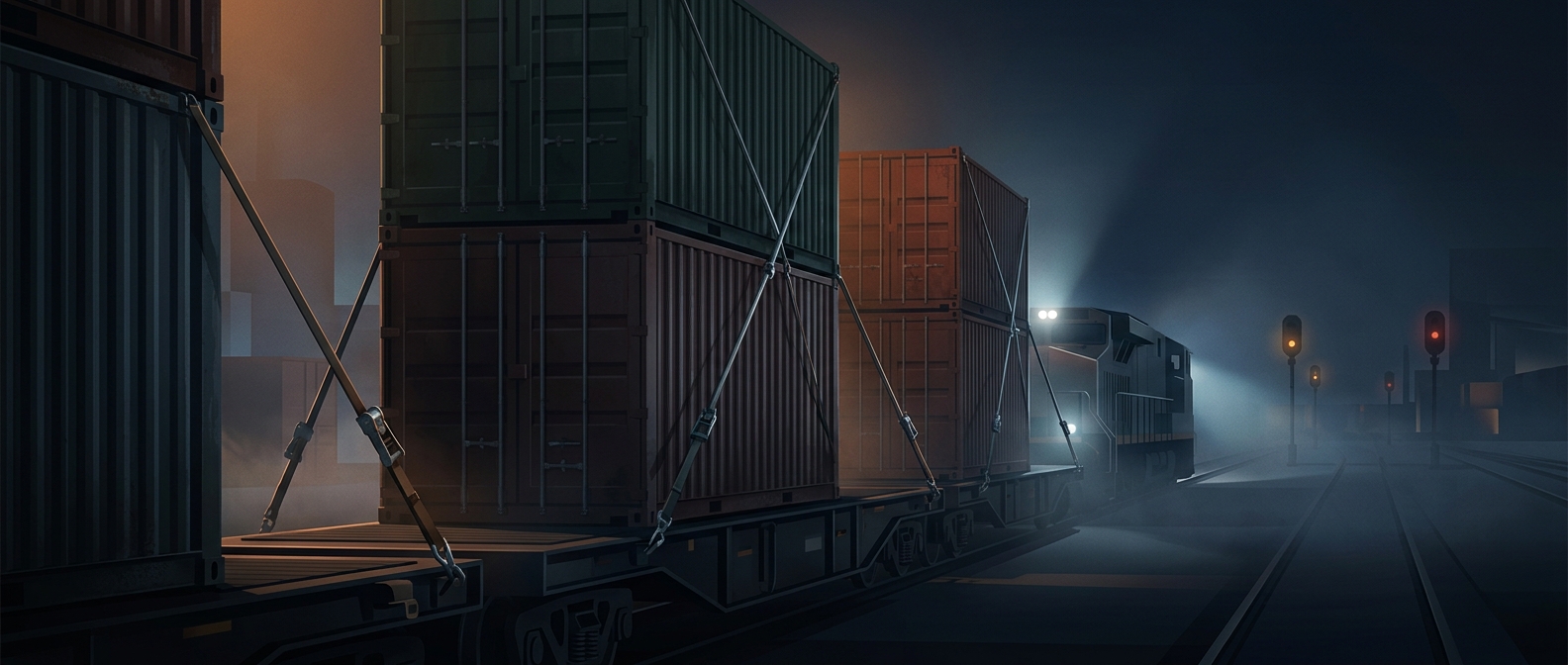
Freight trains make that puzzle harder because they can be extremely long. A siding must be long enough to hold one without leaving its tail across the main track. If the available siding is too short, the freight train may have to keep moving, or the passenger train may have to wait for a different passing point.
Why a short delay can spread
Trains are heavy and need a long distance to slow or stop. Dispatchers therefore plan movements ahead rather than treating each encounter like cars meeting at an intersection. Once a passenger train is held behind a slower freight, it may lose its place in the schedule; another train or a track restriction can add further waiting.
The result is not always a matter of a freight train physically blocking the entire route. It can be a consequence of limited track capacity: a train occupies a section, and the next train cannot safely use that same section until it clears.
The ownership tradeoff
Much of the national rail network was built and is operated primarily for freight. Passenger services use some of those lines rather than having separate tracks, so their schedules depend on the infrastructure and traffic patterns already in place. Adding more passenger departures can mean more conflicts unless the route has enough track, sidings, or other capacity to accommodate them.
That is why a delay can begin with a simple mismatch in speed but end with a long wait: the passenger train can only pass where the railroad has built room for it to do so.