
A closer look
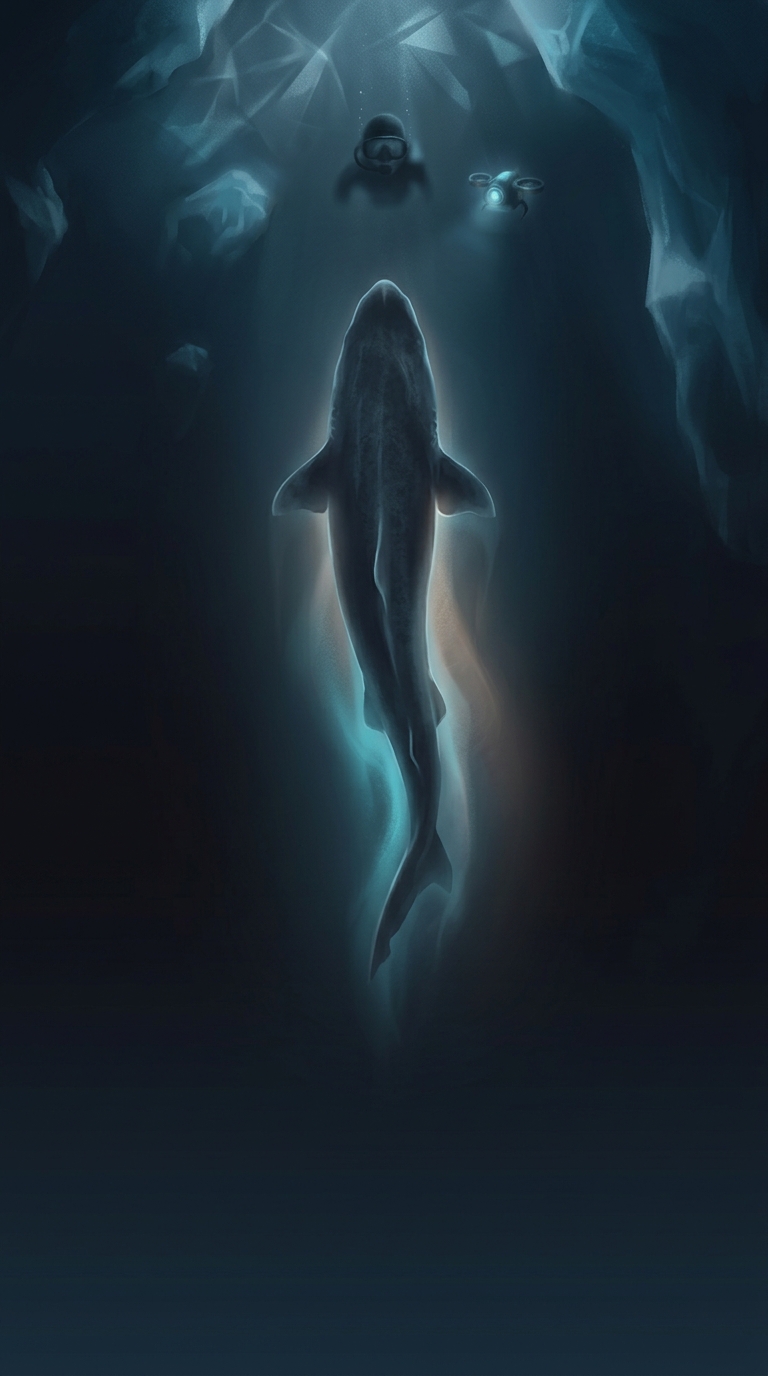
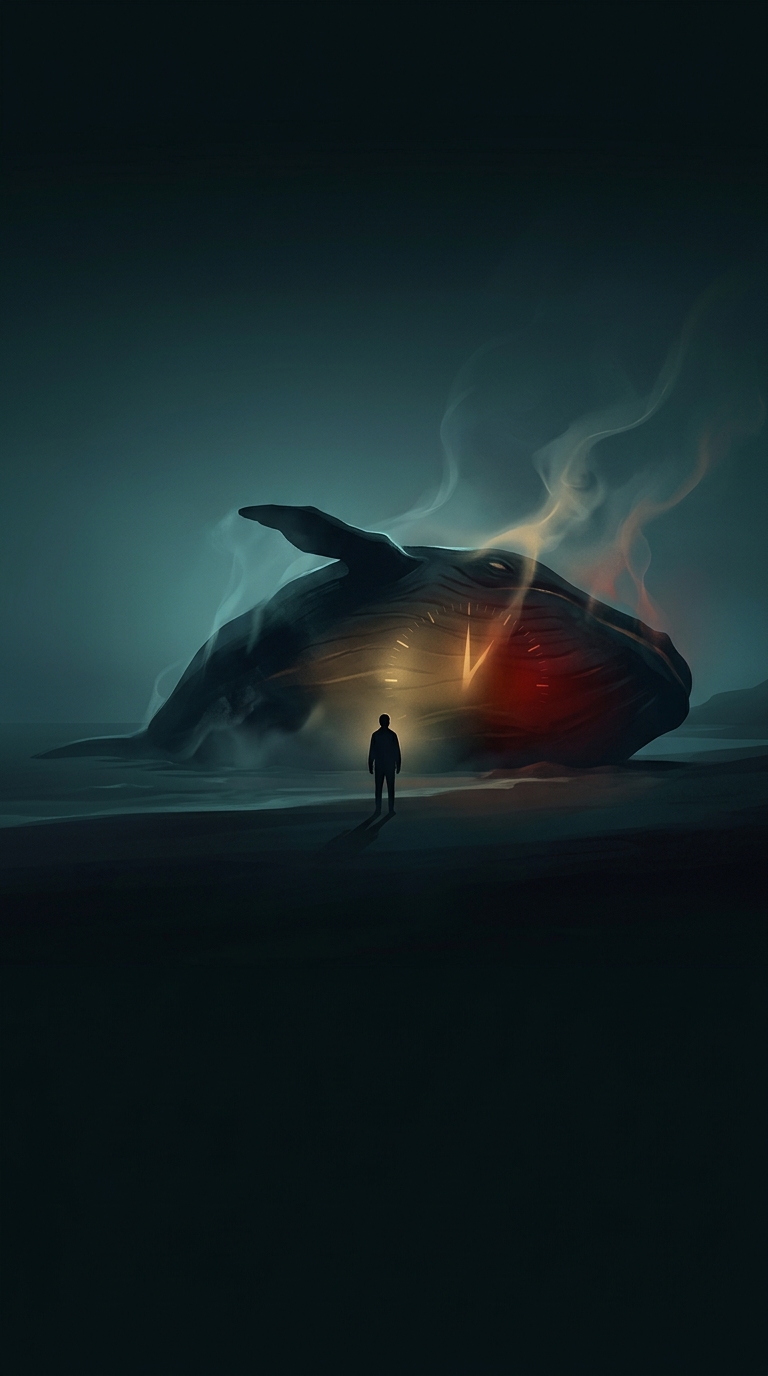
If you drop below 200 meters into the ocean, sunlight fades almost entirely—and that’s where nature invents its own glow. Bioluminescence, the ability of organisms to make light with chemical reactions, is incredibly common here. Fish flash to confuse predators, jellyfish pulse to signal mates, and tiny plankton sparkle when disturbed, turning waves into living galaxies. In fact, most of Earth’s animals that produce light live in the sea, not on land. Imagine billions of tiny lanterns carrying out their private dramas in the dark. For sailors through history, the glowing wakes of ships looked like magic—today, we know it’s an everyday wonder of biology. In a way, planet Earth has two skies: one above us, star-filled, and one beneath the water, shimmering with its own constellations.