How guided rest can interrupt the stress response
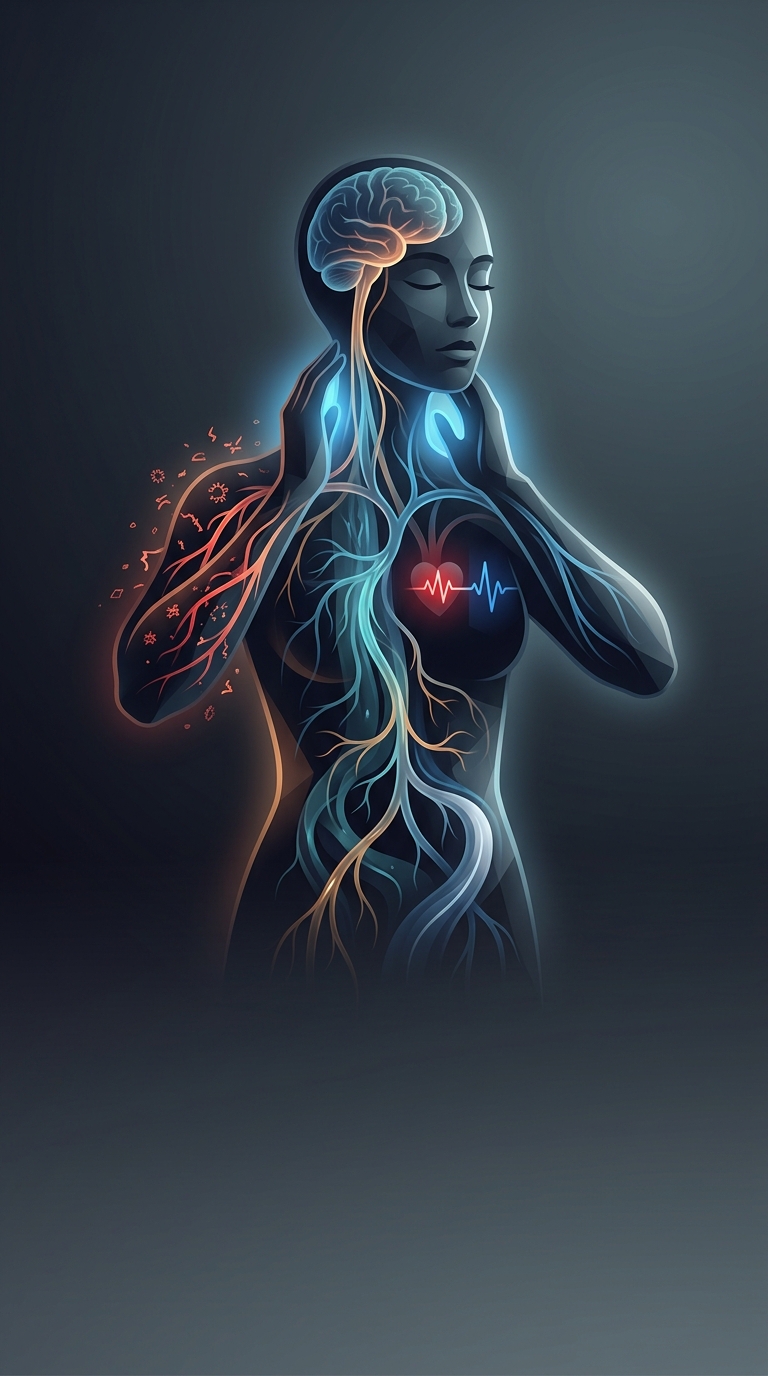
When you are tense or depleted, the body may remain in a state of high alert: the heart beats faster, muscles stay ready for action, and attention keeps scanning for demands. Guided visualization offers attention a different task. Instead of following worries or monitoring the next obligation, you picture a calm scene or follow a steady sequence of cues.
That shift does not switch off the body’s stress response like a button. Rather, a quiet setting, unhurried breathing, and a predictable focus can reduce the stream of signals that keeps arousal elevated. As the body becomes less prepared for immediate action, the heartbeat may slow and muscle tension may ease.
Rest without having to fall asleep
Non-sleep deep rest, often shortened to NSDR, describes guided practices intended to bring the body and mind into a relaxed state while a person remains awake. A session may include visualization, attention to bodily sensations, or gentle breathing cues. The key is not achieving a particular image or emptying the mind; it is repeatedly returning attention to something calm when it wanders.
A 20-minute session is a period to pause and practice that shift, not a guaranteed reset or a substitute for sleep. Some people may drift off, but sleep is not required for the exercise to count as rest.
Why the distinction matters
The practical aim is a change in arousal: moving away from feeling braced for the next demand and toward a state in which the body can settle. That can make a short break feel more restorative, even if it does not erase exhaustion. The useful detail is that rest can begin before sleep does—with attention given a calmer path to follow.