Why the worm reaches the skin
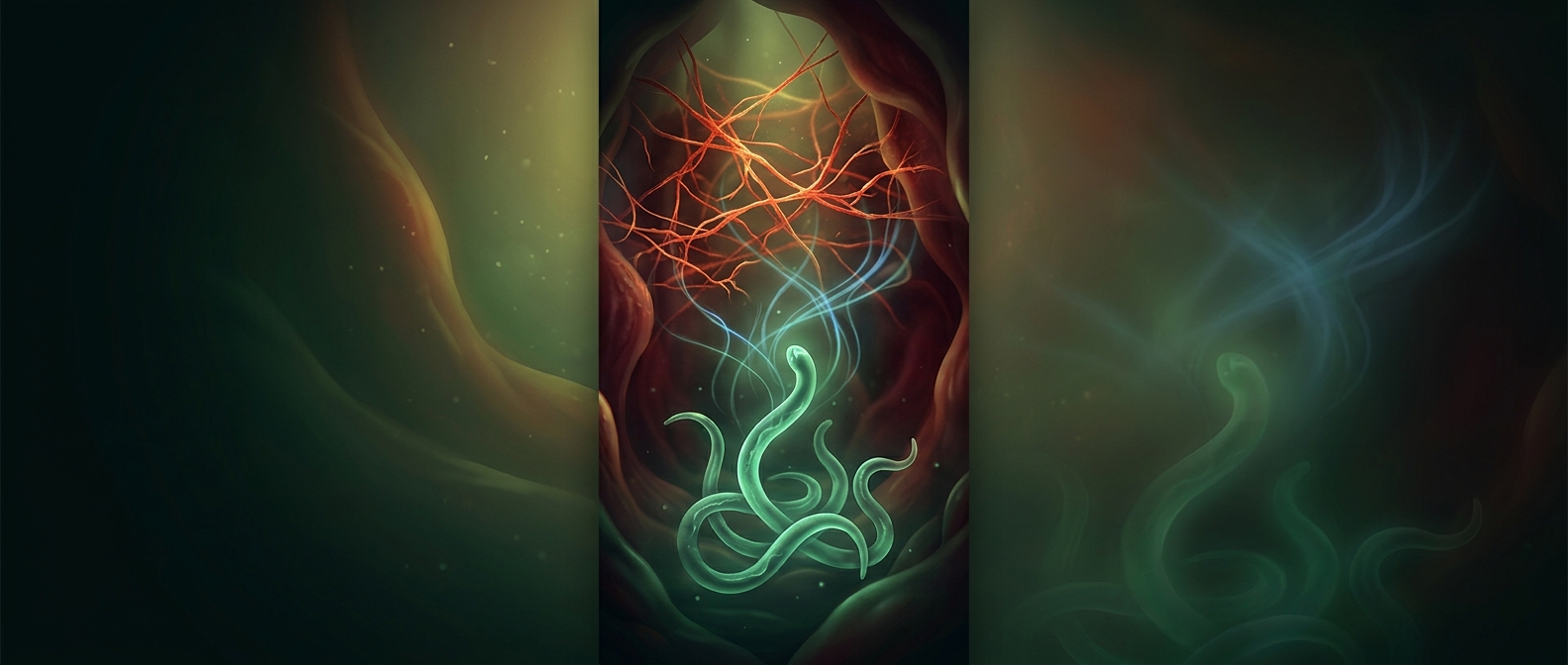
The “stick worm” is the Guinea worm, a long parasite acquired by drinking water containing tiny infected crustaceans. After the crustaceans are digested, the larvae enter the body and mature. A female can grow to about a meter long, then migrate toward the skin—often on a foot or lower leg—where it causes a painful blister.
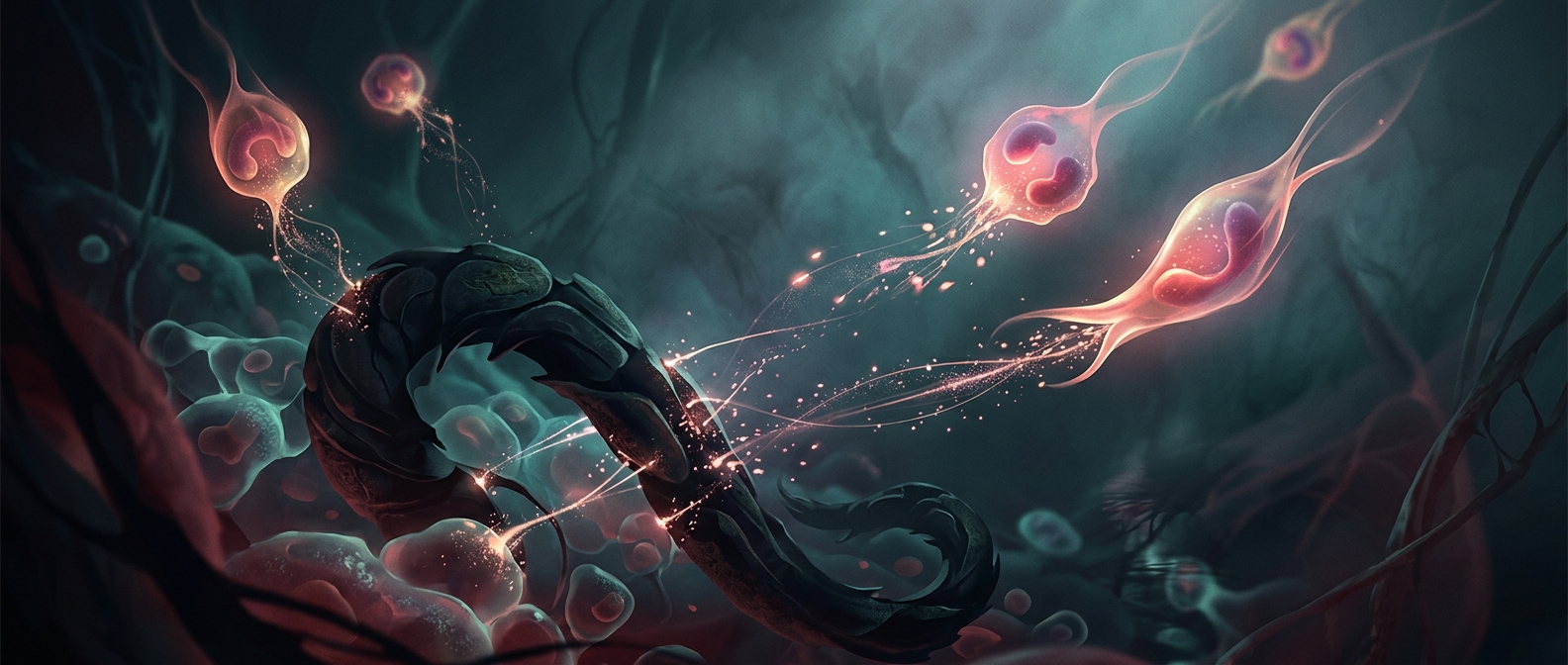
That blister is part of the parasite’s route back into water. When the affected area is submerged, the worm releases larvae, which can infect the small crustaceans living there. If that water is later drunk untreated, the cycle can begin again.
A slow extraction breaks the cycle
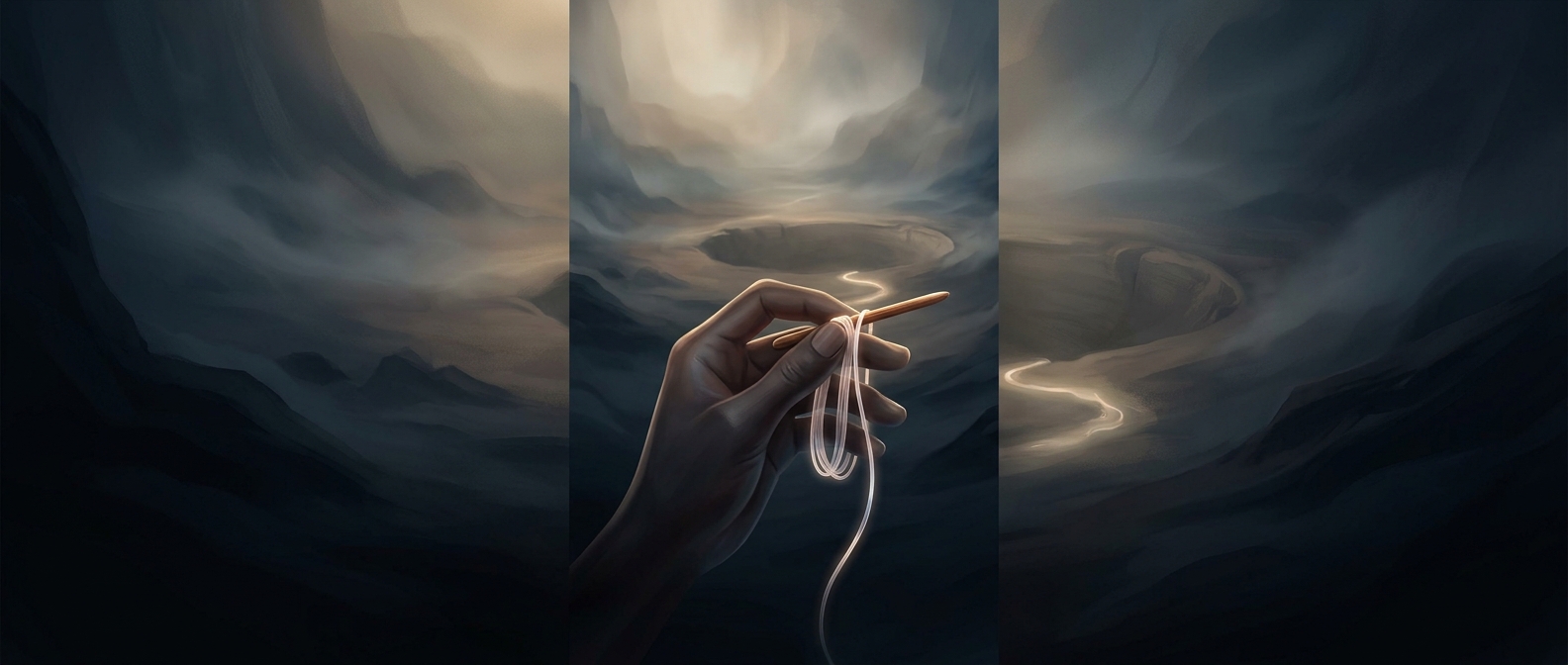
There is no simple way to pull out a mature worm all at once: it is long, delicate, and anchored in inflamed tissue. Gradual winding limits strain on the worm and gives the surrounding tissue time to accommodate its removal. The process is painful and can take weeks, but a broken worm may leave material behind and intensify the local inflammation.
Keeping the wound out of drinking water matters for another reason: it prevents the emerging worm from releasing larvae into a source other people may use. So the stick is not just a makeshift tool. It helps manage the injury while interrupting the parasite’s chance to pass on.