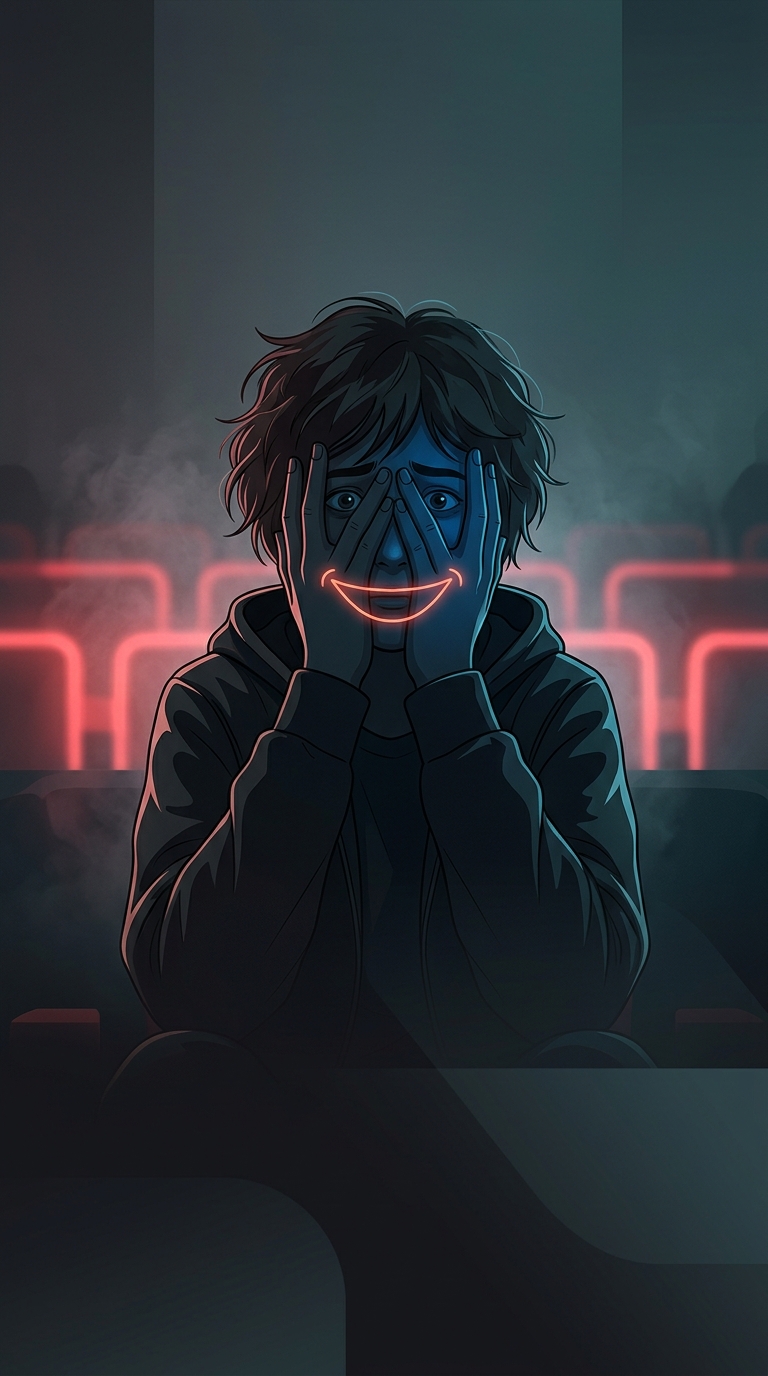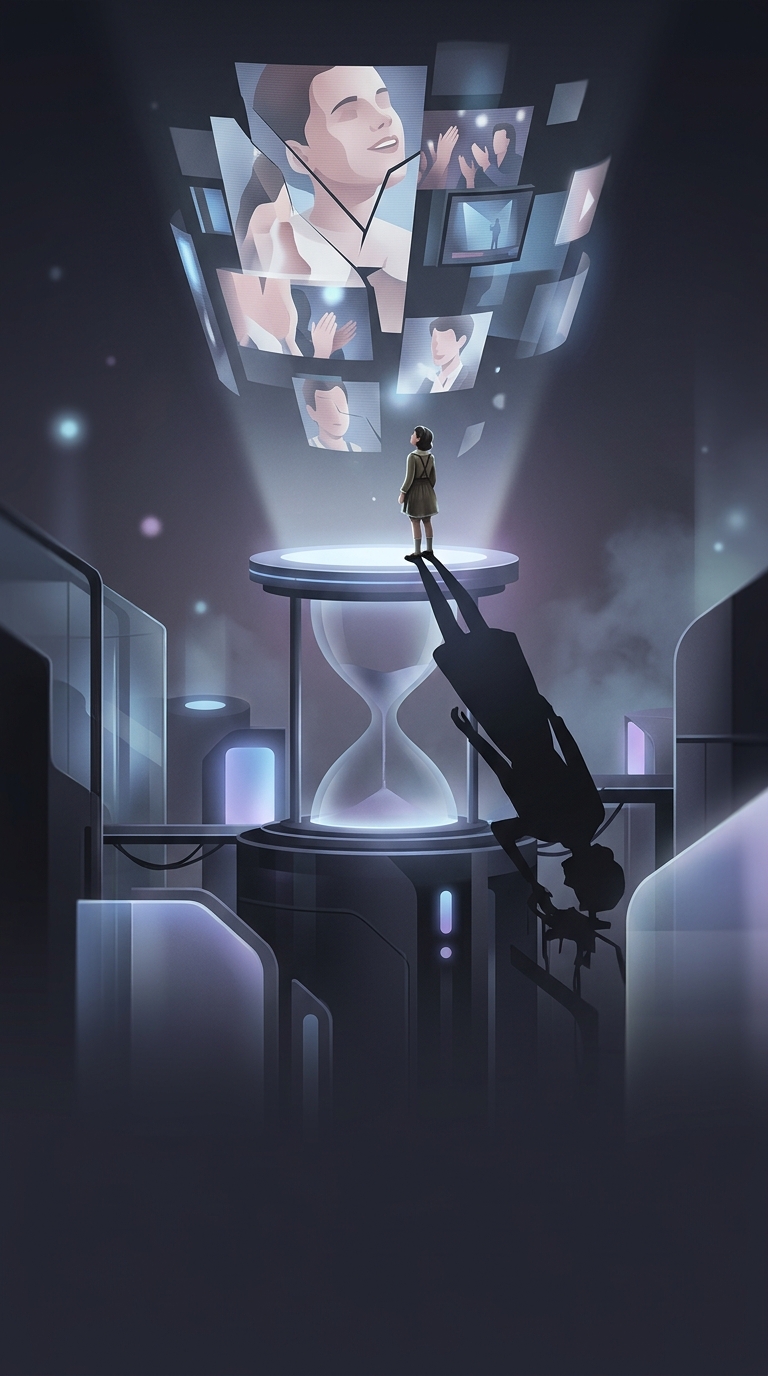
The child the audience remembers
A child actor can grow up while the character that made them famous stays frozen in time. Viewers remember the familiar face, voice, and mannerisms; casting directors may see the same image as a reliable fit for another childlike role. The actor, meanwhile, is trying to be considered for parts that reflect who they are now.
That mismatch can make a normal career transition unusually difficult. Adult acting often requires audiences and industry gatekeepers to accept a performer in a new light. If a young star is strongly associated with one role, that association can narrow the kinds of opportunities offered—and make each attempt to break away feel like a test of whether anyone will take the adult seriously.
Growing up under a fixed identity
Childhood is also when people are still forming a sense of who they are. For a young performer, a public identity can become entangled with a character chosen by writers, producers, and audiences. Praise and attention may arrive for performing that identity, while the child has limited control over how it is presented or how long the public keeps expecting it.
That does not mean every former child star experiences lasting harm, or that difficulty finding adult roles has one psychological cause. But the pressure can be painful: the person is changing, while the most visible version of them remains a child on screen. The challenge is not simply leaving a role behind; it is persuading an industry and an audience to see a whole, changing person beyond it.