The cab’s shape put the driver above the passengers
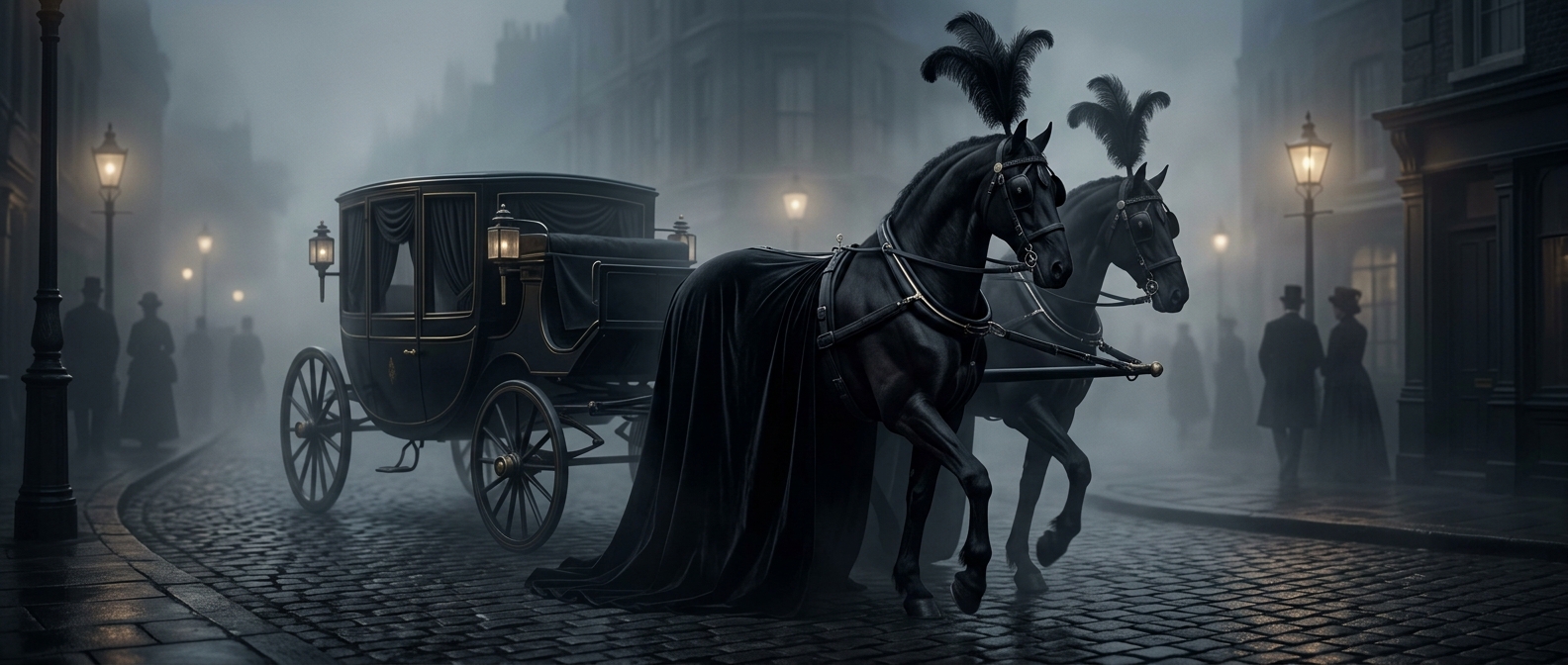
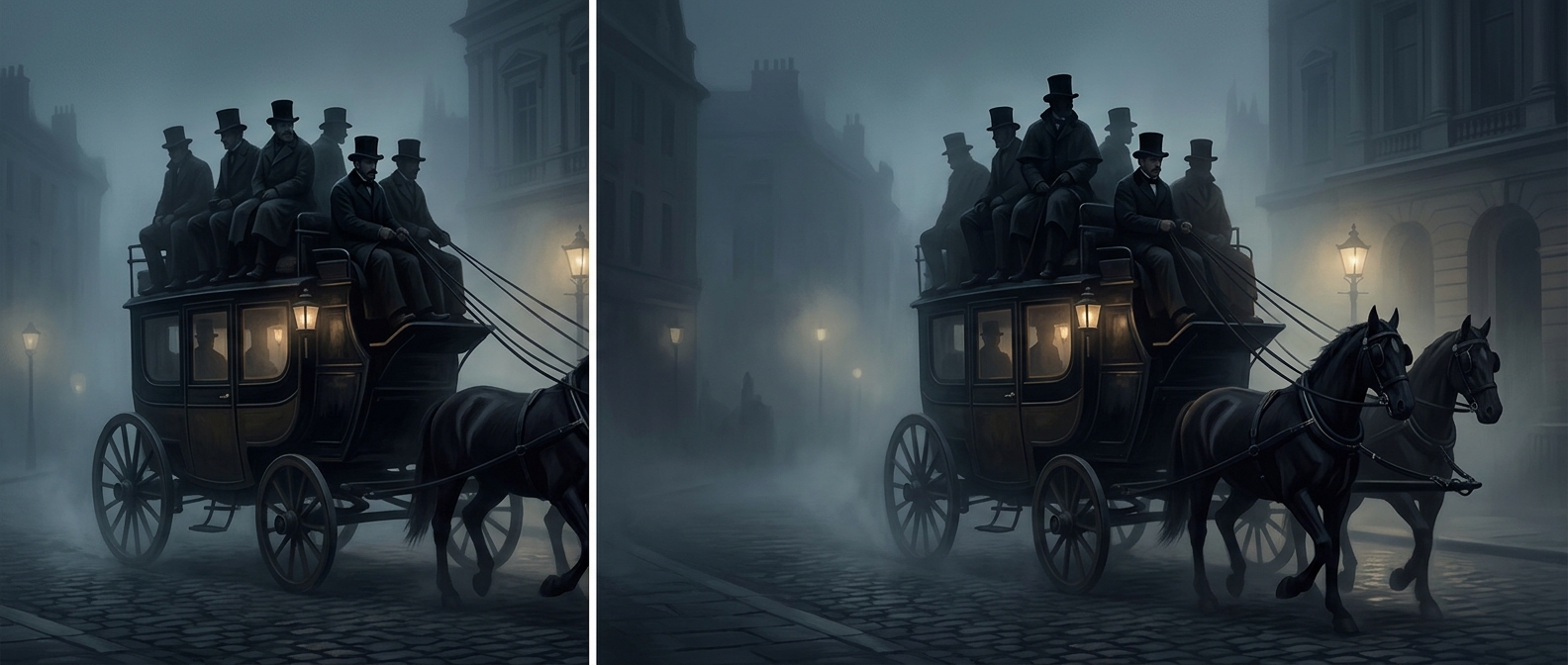
A hansom cab was a compact, two-wheeled carriage with an enclosed passenger compartment. That box sat low, while the driver’s perch was raised behind it. From there, the driver could look over the roofline, watch the horse and judge gaps in crowded streets—sightlines that would have been blocked from a seat inside the cab.
The arrangement also kept the driver outside the passengers’ enclosed space. The driver handled the reins and steered from the elevated perch, while passengers rode below, protected from some of the street’s wind and weather. The cab’s compact form made maneuverability useful, but it left the person controlling it exposed.
A better view came with a rougher ride
Sitting high gave the driver a clear view of traffic, but the perch was open to rain, cold and jolts from uneven roads. The driver also had to manage the horse and carriage while perched above and behind the passenger box, rather than sheltered alongside the people paying for the ride.
So the roof was not simply a place to sit: it was the cab’s raised control station. The passengers got the enclosed compartment; the driver got the view needed to guide the horse through the street.